One hundred articles later, I keep coming home with a fuller suitcase
On the 100th article of The Moving Biz: what my trips taught me about coming home, and why Latin America travels in my bag.

Every airline I know weighs the suitcase. None of them weighs the rest of what comes home with you, and in my experience that is the heavier part.
This is the hundredth article I have published in The Moving Biz. The first one went out on May 13, when I asked why Latin America is the most optimistic region in global business travel and was not at all sure anyone would read the answer.
Five and a half months later, I have written about fares, hotels, airports, artificial intelligence, per diems and Grand Prix weekends. I have written about trips constantly. I have almost never written about the return, which is the part of every journey that I like best and describe worst. So I am going to spend the hundredth article on it.
The suitcase has a weight limit. The rest does not
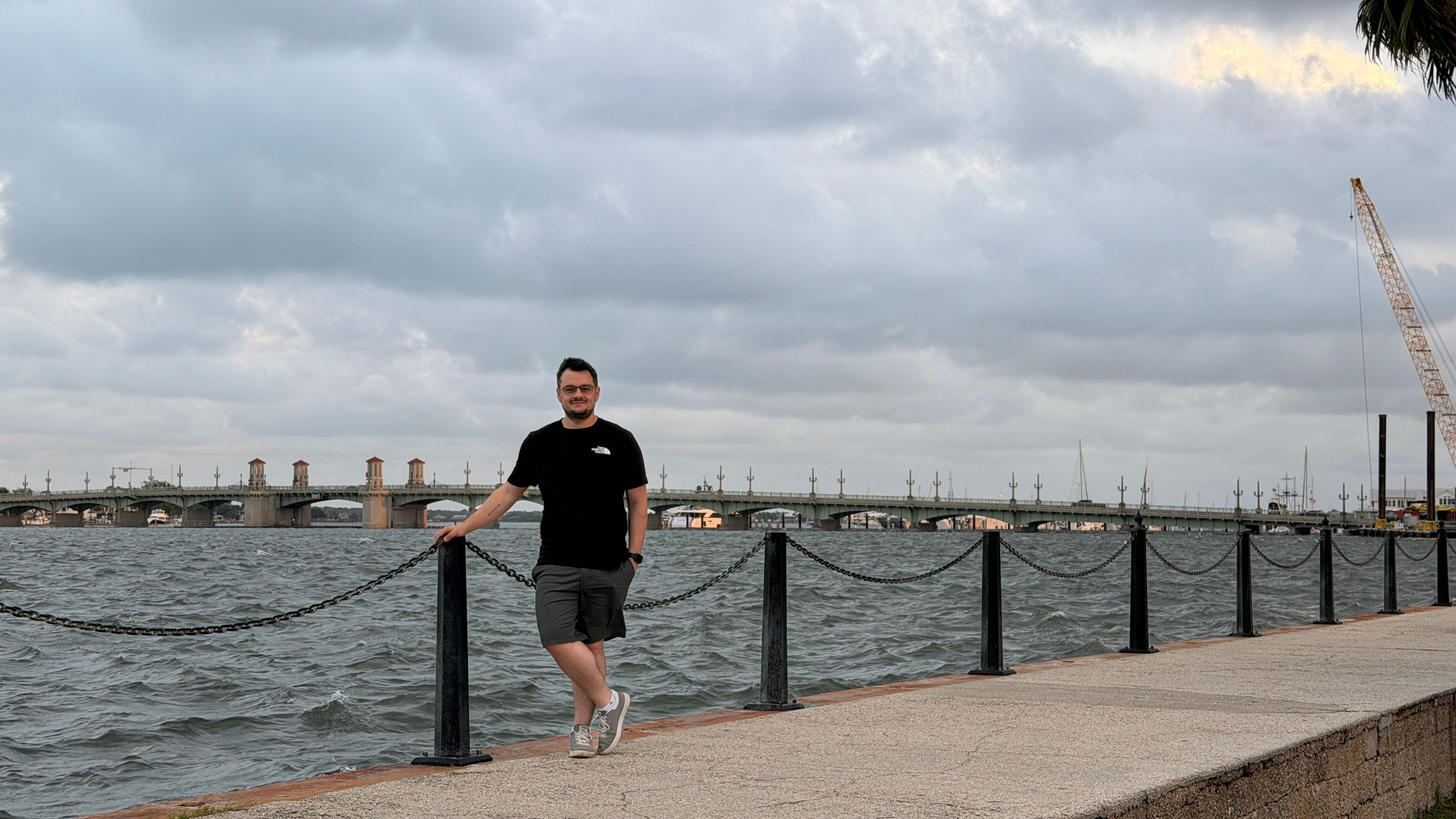
I went to Florida three times this year. In February, I went to Orlando and Disney, then south to Miami and the Hollywood Beach side of the state, my adventure corner of Florida. In October, I went back for a Florida I had not met properly yet: milder temperatures, softer light, and foliage with a hint of orange, because autumn had begun to arrive even there.
By my own count, it was something like my eighteenth time in the state. I mention the number because it should be a boring one. By the eighteenth visit, a destination is supposed to have run out of surprises. You know where the car rental desks are. You know the I-4 and its traffic, which I wrote about in my article on why Orlando is the most visited city in America. You have, in theory, seen it.
The eighteenth visit disagreed with me. I met new people. I found new places. I went back to places I already knew and found them changed, or, more precisely, found that I had changed enough to see them differently. Same airports, same highways, and an entirely different trip.
When I flew home, the bag held the usual cargo. There were gifts, some souvenirs, and the purchases that outlet malls extract from every Brazilian with a passport (I will not pretend to be an exception). But the bag also held something that never shows up on a luggage scale, and I realized it on the way back. A return trip to a place you already know is the best proof that the world is larger than you think. You can visit the same destination a second time and come home with a different life in your hands, which is a better souvenir than anything sold near the exit.
What I borrowed from a philosopher on a podcast
Years ago, I listened to a Brazilian podcast interview with Viviane Mosé, a philosopher and poet from Espírito Santo with a shelf of published books and dozens of podcast interviews to her name. You can read a short profile of her if you want the credentials. I do not remember the episode precisely, so I will tell you the idea as I carried it away, in my own words and without quotation marks. If I have bent it a little, the bend is mine.
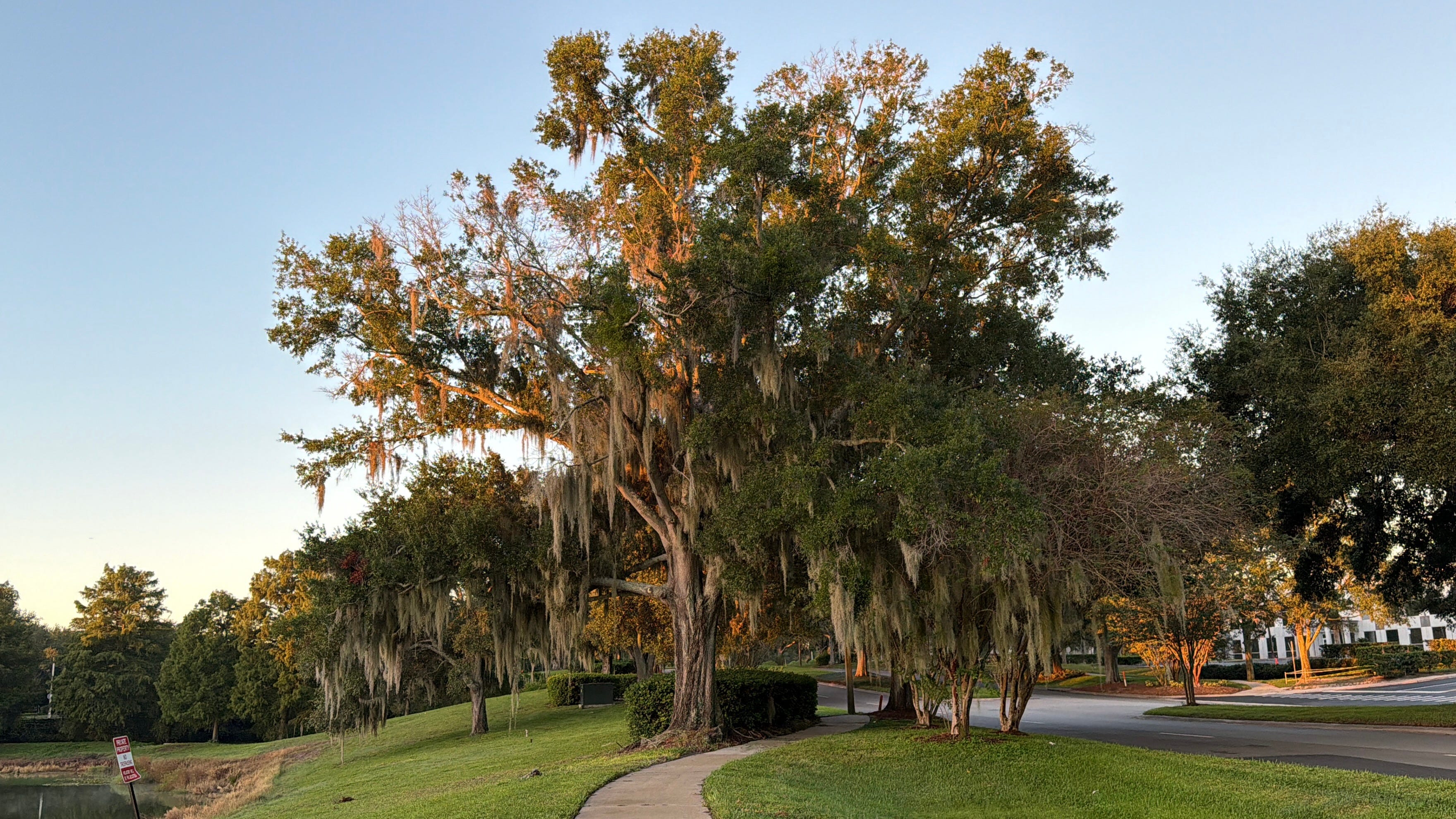
Her argument, as I remember it, was that people need more life and less civilization, and she took care to define both words. Civilization is everything humans have built: the buildings, the machines, the vehicles, the honking, the exhaust in the street. It is present and it is useful, and it is not alive. Life is whatever pulses. The grass under your feet, which has a temperature, because it is a living thing. A dog you play with. A child on your lap. A hug from a friend. A good cry. The wind on your face, the sea breeze, the waves hitting your legs.
Her point was that we have been getting a lot of the first and starving for the second.
I thought about that for a long time, partly because I work for a living inside the first category. I build, sell and write about platforms, which are civilization in its purest form: software, payment rails, integrations, data. I am a believer in that work, and I do not treat technology as a villain. I think the best thing a corporate travel system can do is take away the friction that eats a traveler’s day, so that the traveler has more of it left over for the other category.
A booking that takes one minute instead of twenty gives back nineteen minutes that can be spent on a hotel breakfast, a walk, or a phone call to someone you love. I made a version of this case when I wrote about bleisure as the new default, and it still holds.
Every time I come home from a trip, I feel as though my bag is a little fuller of life than when I left. That is what I look for in my trips now, and it is what I am learning to value in my ordinary days as well. I am lucky to have a profession that sends me to look for it.
Same destinations, a wider field of vision
People who read the blog since May have asked me, more than once, whether I changed my mind about something along the way. It is a fair question, and I think about it seriously. The honest answer is no, I did not change my mind. What happened is more like a widening of the field of vision: the same conviction, seen from more angles, with more evidence under it.
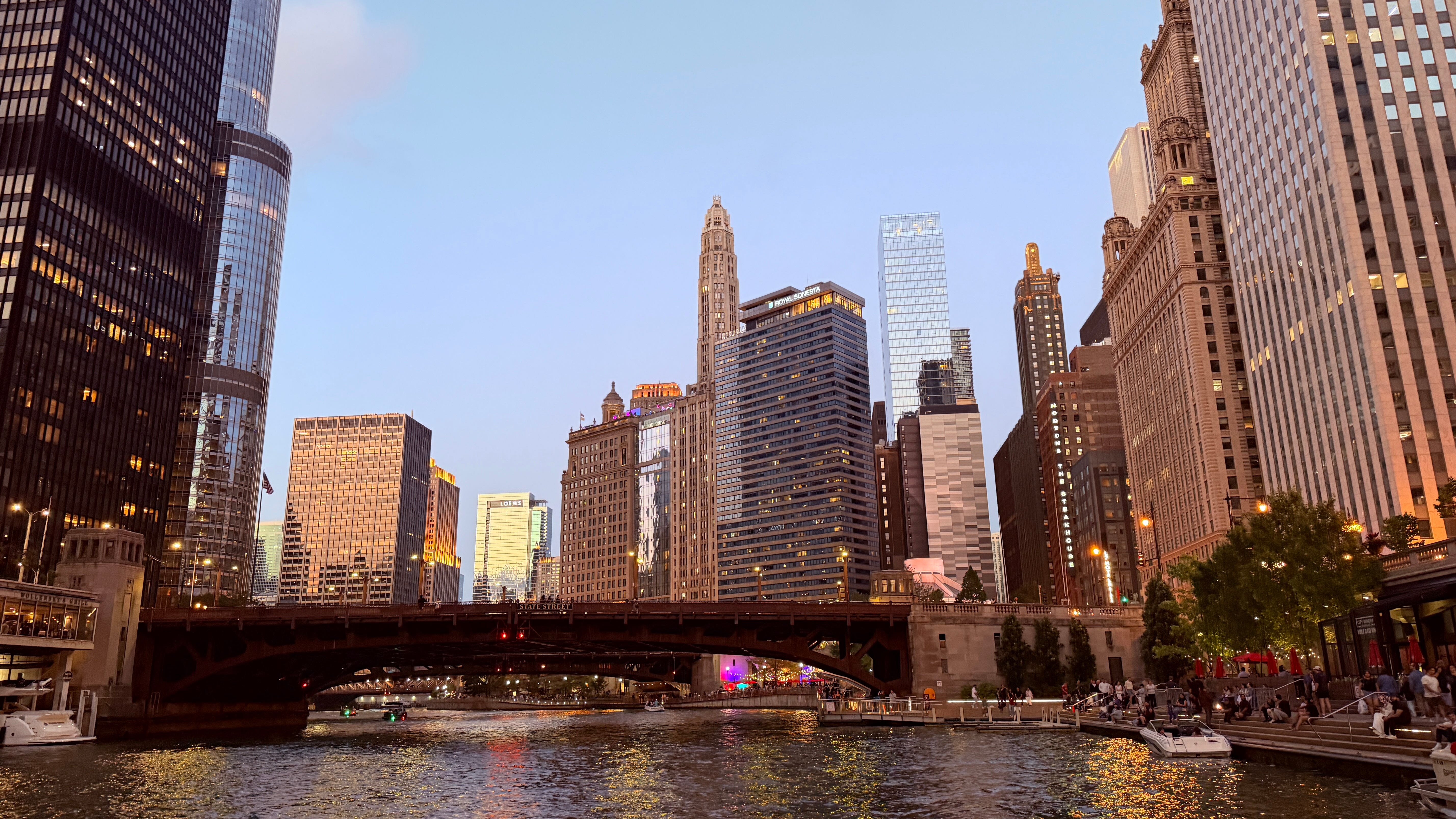
Two trips did most of that work. In early August, I spent three days at the GBTA convention in Chicago, my fourth, and wrote down what it taught me in what three days in Chicago taught me. Then, between August 9 and 14, I was at Stanford with 70 other leaders from 17 countries for The AI-Powered Organization, the executive program from Stanford GSB, in the first cohort. A few weeks later, I wrote what ten weeks of living with that material had done to my company and my routine. A classroom and a convention hall are very different places, and both changed which questions I ask first.
The US also did its usual work on me. Every time I land there, I am struck by how many everyday things simply work: the queue that moves, the system that remembers you, the service that does what the sign promised. I bring it home as inspiration, a standard worth wanting for the places I love, and as a reminder of how much quiet, unglamorous work sits behind a thing that works. Admiring a country takes nothing away from mine.
What it did require was a wider field of vision. The longer I travel and write, the less I treat any single market as the measure of the others, and the more I notice what each does well. That habit leads straight to the conclusion I most wanted to put in the hundredth article.
The region I write from leads, and someone from outside said it first
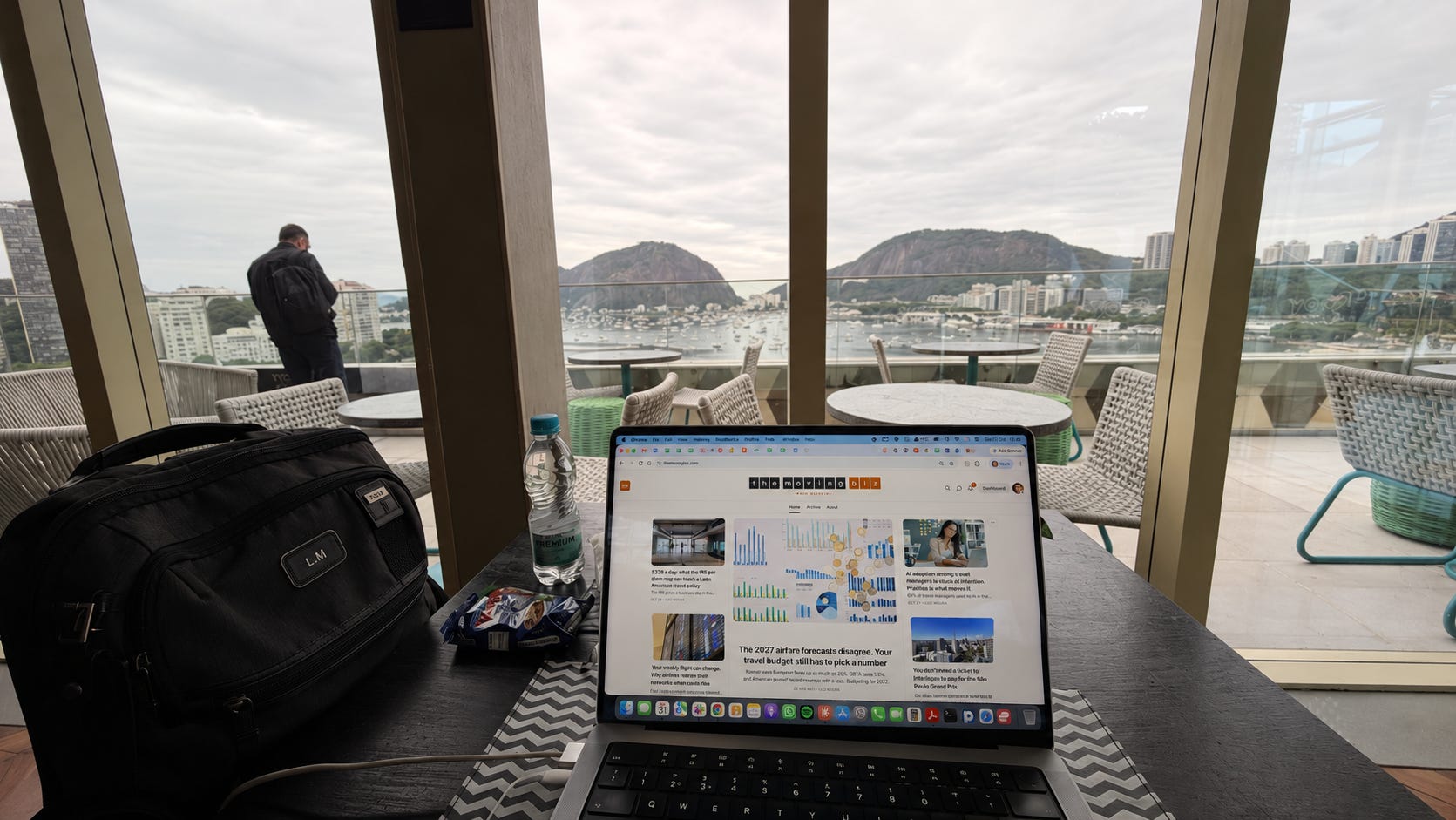
I will state my conviction plainly, and you should read it as an opinion and not a statistic: Latin America is today at the front of the digital transformation of corporate travel. I have been collecting evidence for it since the first article, and some of it appears in what I wrote about the region’s openness to artificial intelligence and in an earlier piece on how the region manages its business travel. I am one voice, and I make my living in this market, so you should weigh my view accordingly.
Some of the evidence is structural. This is an industry that has organized itself. There is Alagev, which in recent years has built training initiatives and a regional community of travel managers that earned international recognition. There is the Academia de Viagens Corporativas, which has been running events and roadshows for travel professionals for well over a decade. There is the Travel Managers Group, a community of the people who actually run these programs. I see this degree of organization less often in other markets, and I think it explains a great deal about why the region moves so quickly once it decides to move.
The rest of the evidence is a conversation I had early this year. I presented VOLL’s agentic AI platform to a corporate travel leader at a large global company. He was born in Latin America and has lived abroad for more than five years, which gave him both an inside view and an outside view of the region. This happened before we launched VOLL Intelligence, the version of our platform that builds agentic AI into the structure of the product. I am telling you where I sit because the story involves my own company, and I would rather say so than let you work it out.
He was clearly impressed. He follows what technology is doing for travel management around the world, so it was not the impression of someone who had not seen the competition. What I remember best is what he said at the end. He wanted to congratulate us, whatever came next. He said that, as a Latin American, he felt enormous pride in seeing a company from the region doing this, with all the difficulties that come with it: limited access to capital, the constraints of infrastructure, the problems in our industry and in our society, the sheer difficulty of starting a business and having it prosper. And he said we were carrying a flag, bringing the world a solution he had not seen the equal of, with a level of quality and technical competence he found unprecedented.
I am reporting his reaction, not grading myself, and I recognize that a demonstration is a friendly setting. What struck me most was that the generosity came from outside the room I work in: he chose to say that it mattered to him where the work came from. It is one of the things I keep in the bag.
Why write in English from São Paulo?
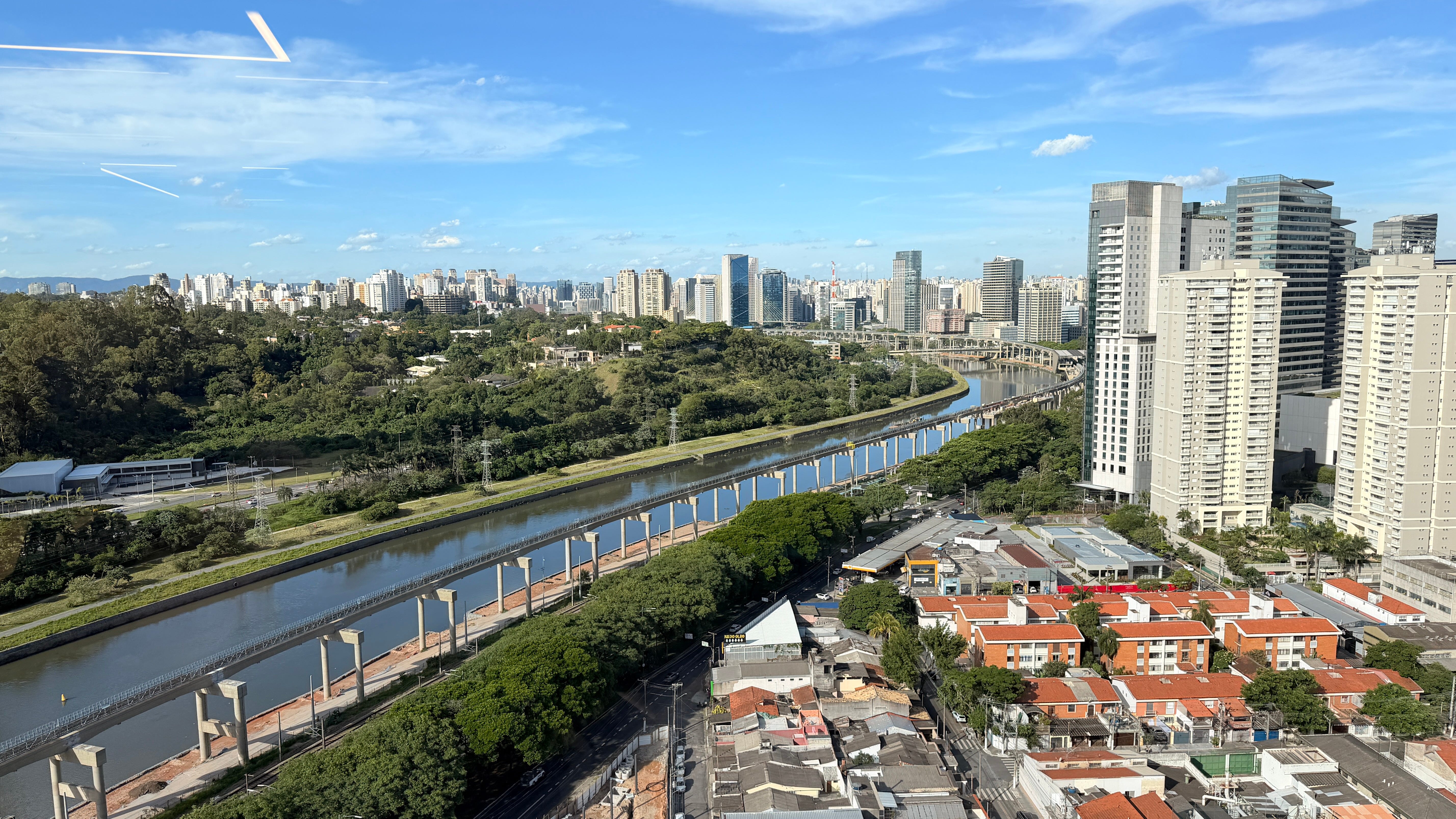
When I started this blog, my reason was simple and a little stubborn. The conversation about corporate travel in English was rich and plentiful, and the Latin American part of it was usually a paragraph, if it appeared at all. I thought the paragraph could be longer, and I thought it should be written by someone who lives in the market.
The comments I have received since May have been generous, and they cluster around three themes. The first is that people like seeing a Brazilian and Latin American perspective in English, in a publication of its own, accessible to a global audience. The second is that the blog works as a connection between the Latin American market and the global one, and that Brazil now has a way to export its point of view to an international conversation.
I also publish in the press and in blogs outside Brazil, so in a small way this blog is a version of me, an executive with more than twenty years in the industry, doing what I have tried to do my entire career, which is to connect Brazil to the world on this subject. The third theme surprised me most. Readers say the writing is light, curious and even fun, that it does not shy away from an opinion, and that it still brings data to the table so the conversation with readers stays worth having.
I will keep all three. I do not know whether we are the first to do this, and I will not claim it. What I can say is that I am glad to be one of the Brazilian voices taking this view to the world, and that the hundredth article is as good a place as any to say thank you to everyone who has read the previous ninety-nine, forwarded one to a colleague, or argued with me in a comment. You have made the return trip heavier in the best possible way. For the next hundred, I plan to keep the same compass: the optimism I wrote about on May 13, the data I can check, the scenes I have actually lived, and the humor that I hope is still elegant.
Unpacking
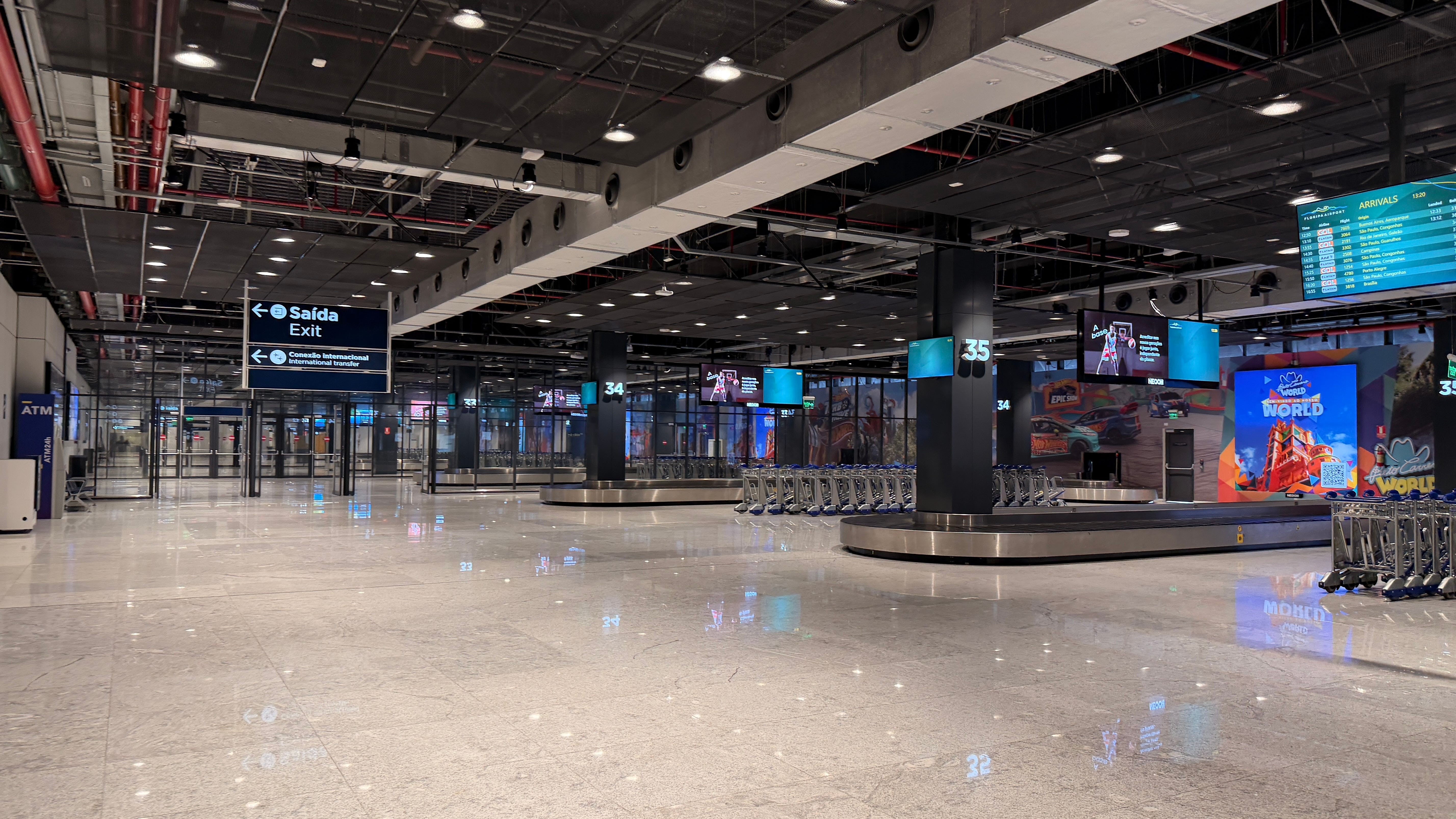
There is one more thing I learned from the eighteenth Florida trip, and it fits in a sentence. Home turns out to have several addresses. For me, it is the city where I sleep, but it is also the industry I have worked in for more than twenty years, the region I write from, and the company I help build every day. I like using the image of home for all of them at once, because they are the places I return to, the ones that change a little each time I leave and come back, and the ones that give my trips a meaning.
I used to think a trip ended when the plane landed. I now think it ends when I tell someone what I brought back. Some of what I bring back goes into articles like this one. Some of it, I imagine, goes into the questions I ask a client. Most of it I will never be able to explain, and I have stopped minding.
I have written a hundred articles about movement, and I believe business travel exists to produce meetings, deals and ideas, and, if we are lucky and the system is well designed, people who come home better than they left. That is the standard I hold my industry to, including my own company. A platform that gives a traveler back an hour (the kind of care I once wrote about in what a bellboy learns that an algorithm does not), a policy that treats an employee as an adult, a booking that gets out of the way: these are small pieces of civilization built in the service of life, and I plan to keep building them.
The suitcase will be weighed again at the next airport, and the airline will tell me the number. I already know the other half of the weight, and I intend to keep it heavy.
About me
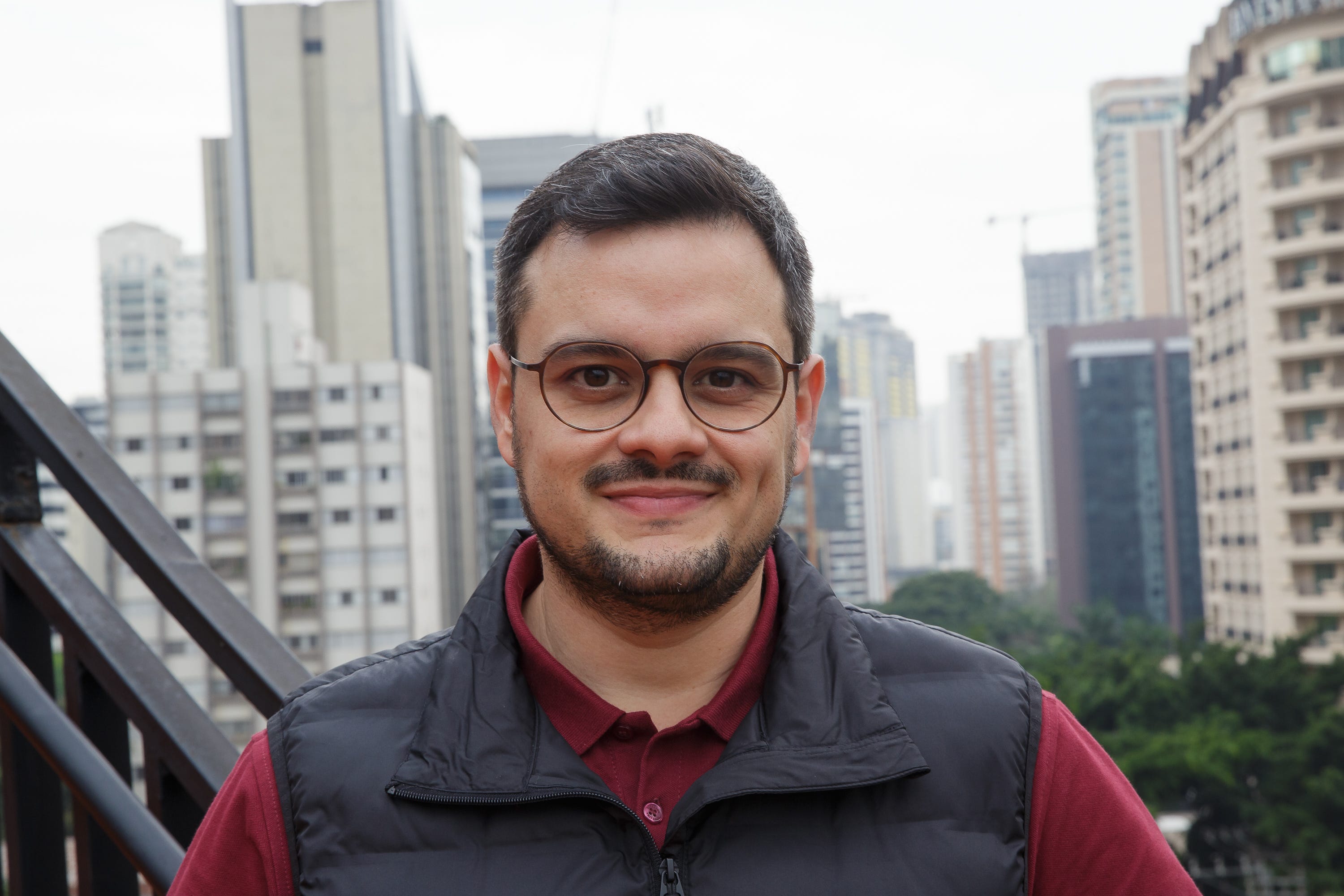
I am an entrepreneur with over 20 years of experience at the intersection of tourism and technology. I am co-founder and Chief Business Officer of VOLL, the largest mobile-first corporate travel and expense management platform in Latin America, where I lead the commercial strategy behind our AI adoption.
A first-cohort graduate of The AI-Powered Organization at Stanford Graduate School of Business and a Marketing specialist from Fundação Dom Cabral, I serve on the Tourism Council of FecomércioSP and on the Executive Council of the Latin American Association of Corporate Events and Travel Management (Alagev). I write and speak about innovation, digital transformation, entrepreneurial leadership, and the future of corporate travel.
Discussion about this post