I went to Stanford to study the AI-powered organization. Ten weeks later, I am mostly living in one
What ten weeks changed, in the world, in my company and in my routine, since I came home from a classroom full of theory about it.

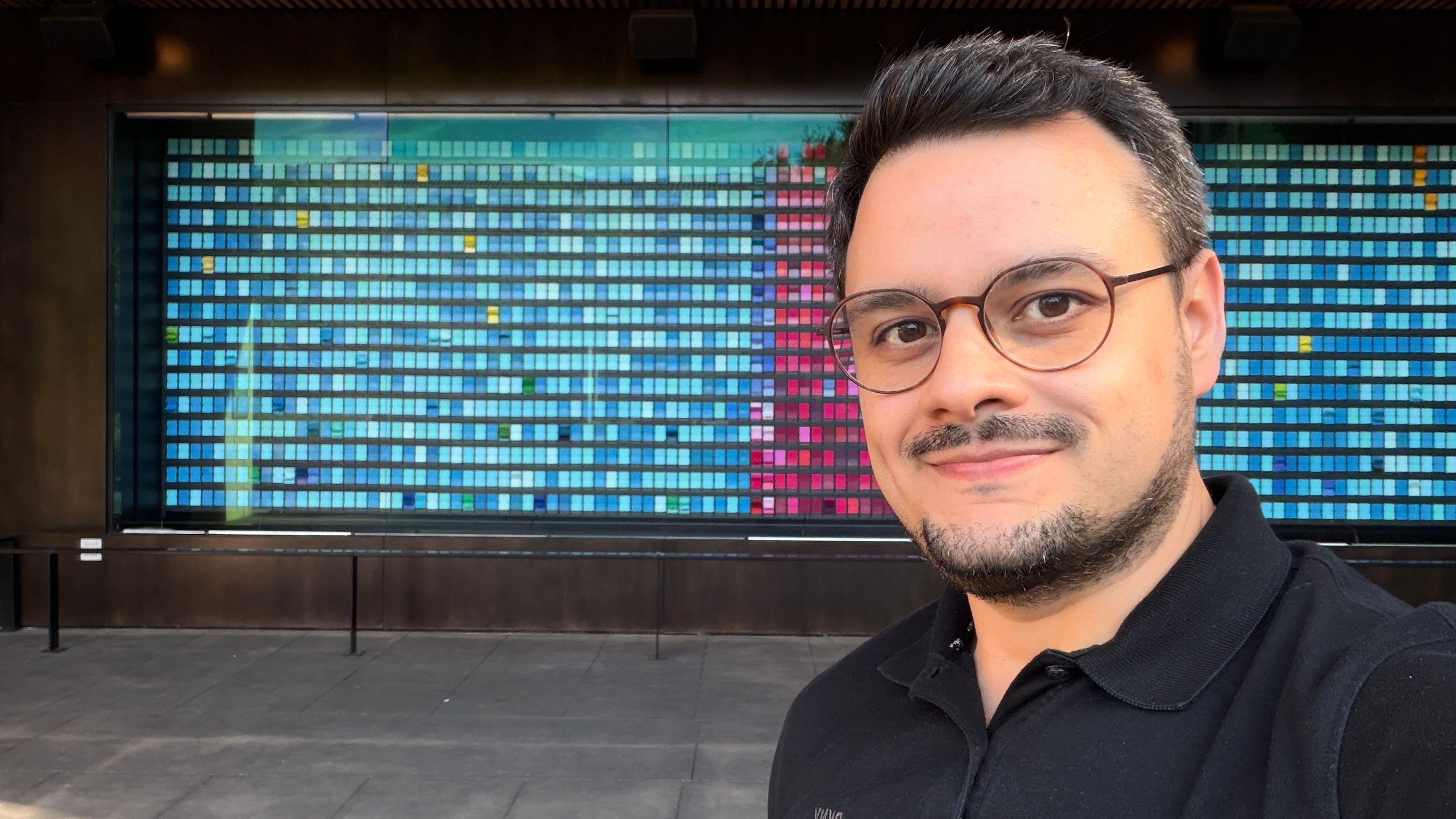
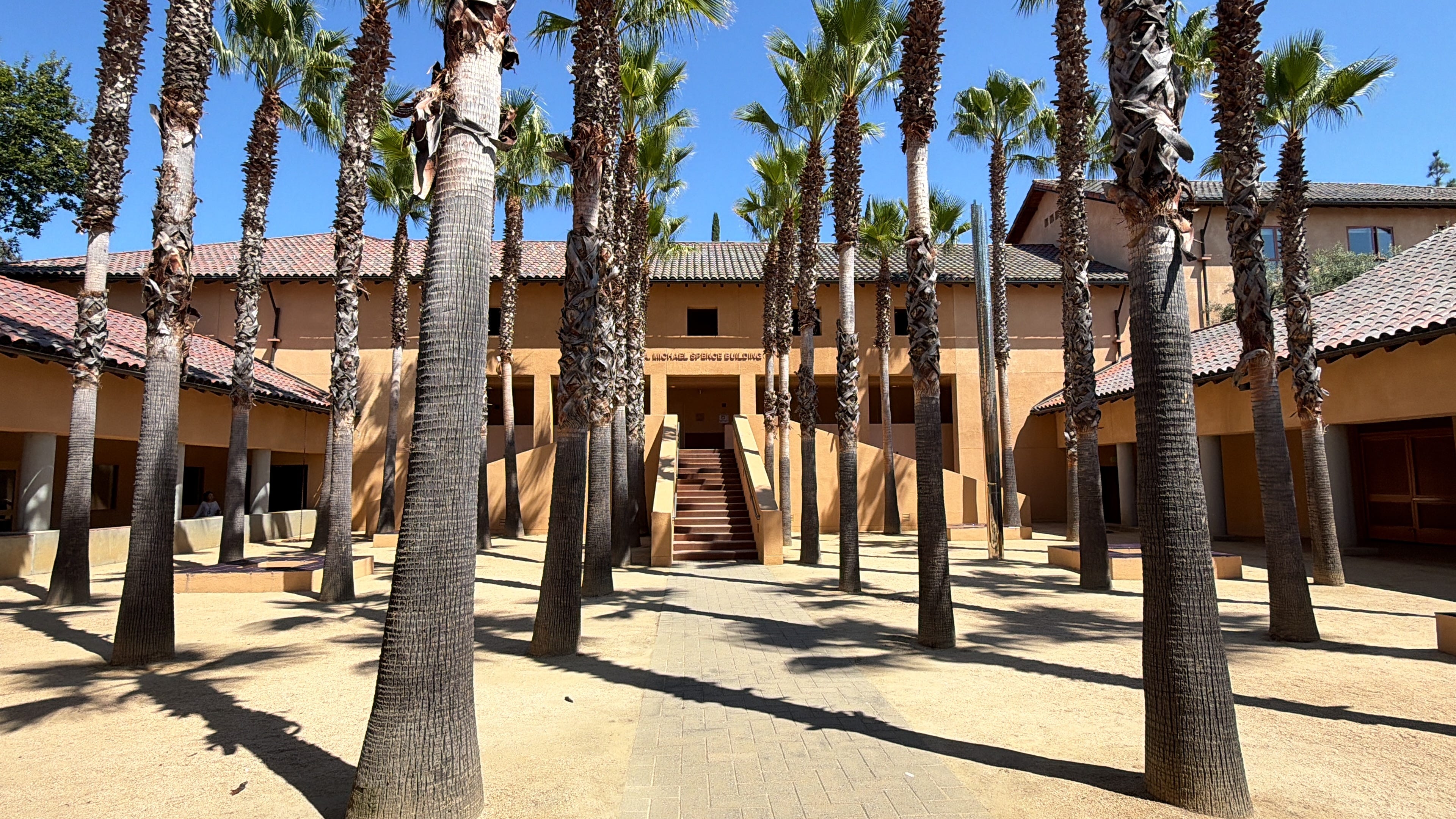
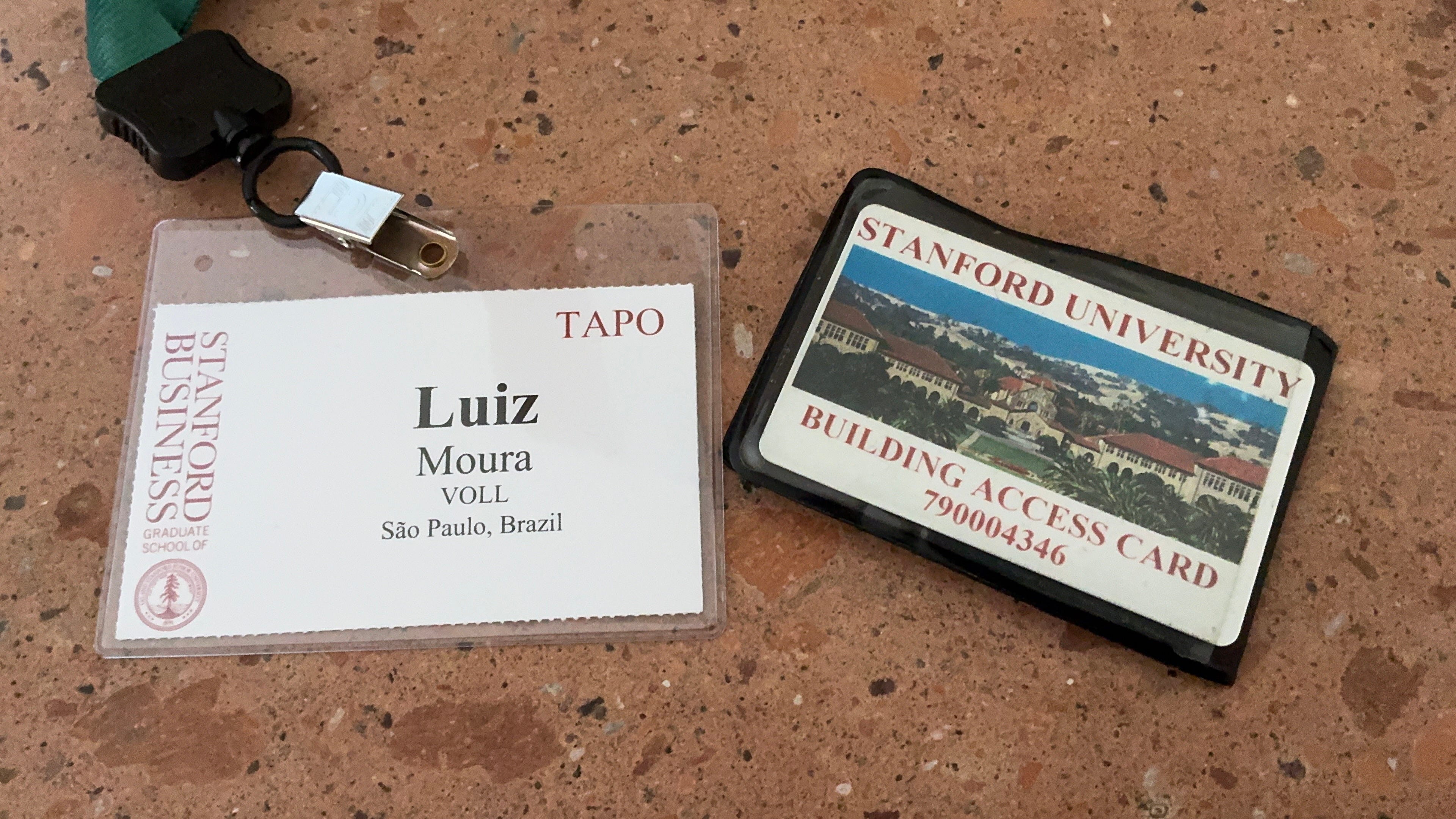
Ten weeks ago I flew home from a week at Stanford, in the first cohort of an executive program with the slightly intimidating name The AI-Powered Organization. Seventy leaders, seventeen countries, six days spent trying to think clearly about the one technology reshaping every business in the room. I came back with a full notebook and a single quietly unsettling realization, which is that the thing we had spent the week studying was not going to wait politely for me to finish my notes.
Ten weeks is not a long time. For most subjects you could step away for a season and return to find the field roughly where you left it. Not this one. In the time it has taken me to digest a week of lectures, the ideas in that notebook have been migrating, steadily and a little relentlessly, from the seminar room into my actual Tuesday, into my company, and into the market I work in.
This is my attempt to take stock of what ten weeks genuinely changed, written less as an expert and more as someone standing in the middle of the current, trying to describe it while still being carried along by it. I have written before that an airport departure lounge is, to me, one of the safest places in the world, a space of pure motion and possibility. Standing inside this much change turns out to feel strangely similar, exhilarating and oddly calm at once.
The one idea that reorganized how I think
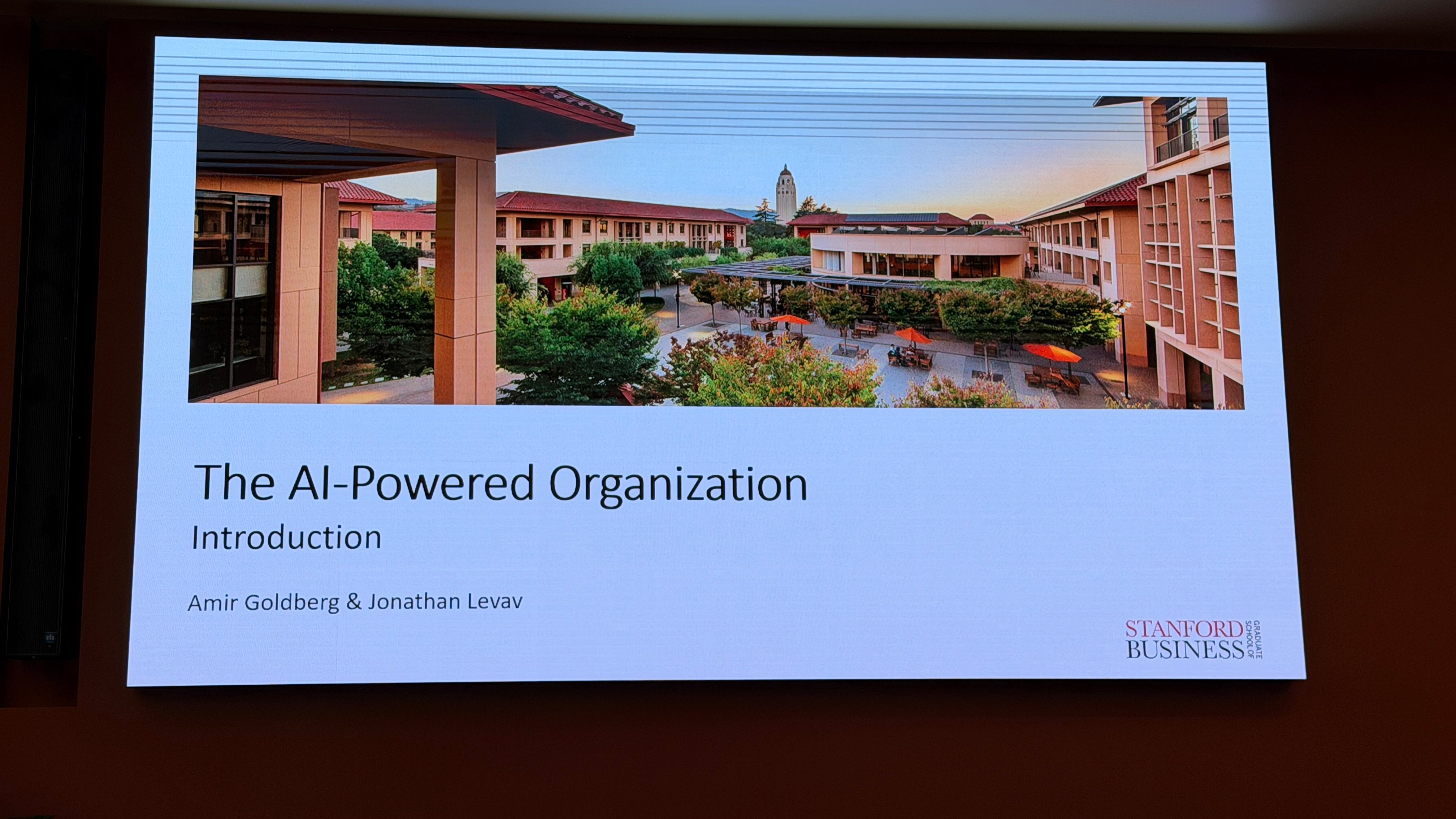
Let me start with what I carried out of that week, because everything after rests on it.
Out of six days of frameworks, one line reorganized my thinking more than the rest combined. Machines predict. People judge. The competitive advantage of the next decade, the argument went, will belong to whoever learns to separate those two functions cleanly inside their own operation, handing the prediction to the machine and protecting the judgment for the human.
Underneath that sat a second, equally plain idea. The right unit of analysis is the task, not the job. AI does not replace a travel manager or an analyst or a founder. It quietly removes specific tasks from their week, and the entire discipline is deciding which tasks to hand over and which to guard. I have written before that the traveler was never really asking for another app to fight with, and the same lens applies to an organization.
The question is never whether to use AI. It is which tasks to let it carry, and what to do with the human attention that gets freed up as a result. Simple to say in a classroom. The interesting part has been watching it stop being theory.
Ten weeks is suddenly a long time in the world
The first thing that changed is the one I have the least control over, which is the pace outside my window. When I sat in that room in August, agentic AI, systems that do not just answer but act, was mostly a confident prediction, the thing everyone agreed was coming. Ten weeks later it has quietly become the thing that is simply here, moving from impressive demonstration to ordinary expectation faster than almost any technology I have lived through. The same quiet magic I have watched aviation perform for a century, turning distance itself into a solved problem, is now happening to cognitive work, at a speed that makes the airplane look patient.
The pace is not confined to my industry either, which is part of what makes it feel inescapable. I watch the retail giants move almost without exception, the apps on my phone, the shopping centers, even the schools, all quietly reorganizing around this technology, and nothing about the direction suggests a road back. The seventy leaders I sat with in August, many of them C-level, from wildly different sectors and countries, left me with the same conviction, stated more plainly than any slide: more than any single bet on a winning strategy, our future now runs on AI in the everyday.
Agentic, generative, operational, strategic. AI to read the data, and AI to inform decisions rather than, in most cases, to make them. That last distinction is the one I keep coming back to, because it is just the predict-and-judge line drawn in a boardroom instead of a classroom.
I am wary of throwing around numbers I cannot stand behind, and a reflection like this is a poor place for borrowed statistics, so I will keep this to what I can see with my own eyes. What I see is that the conversation has shifted. Ten weeks ago people asked whether an AI could be trusted to do a real task. Now they ask which tasks it should be allowed to do, and where the human belongs in the loop. That is a different and more mature question, and the speed of the shift is the actual news.
The ground that a week of lectures stood on has moved under the lectures. I keep thinking of a line, usually attributed to the biologist E. O. Wilson, that has lodged itself permanently in my head: “We have paleolithic emotions, medieval institutions, and godlike technology.” Ten weeks on, the gap between the three feels wider, and more urgent, than it did in the classroom.
What changed inside my own company
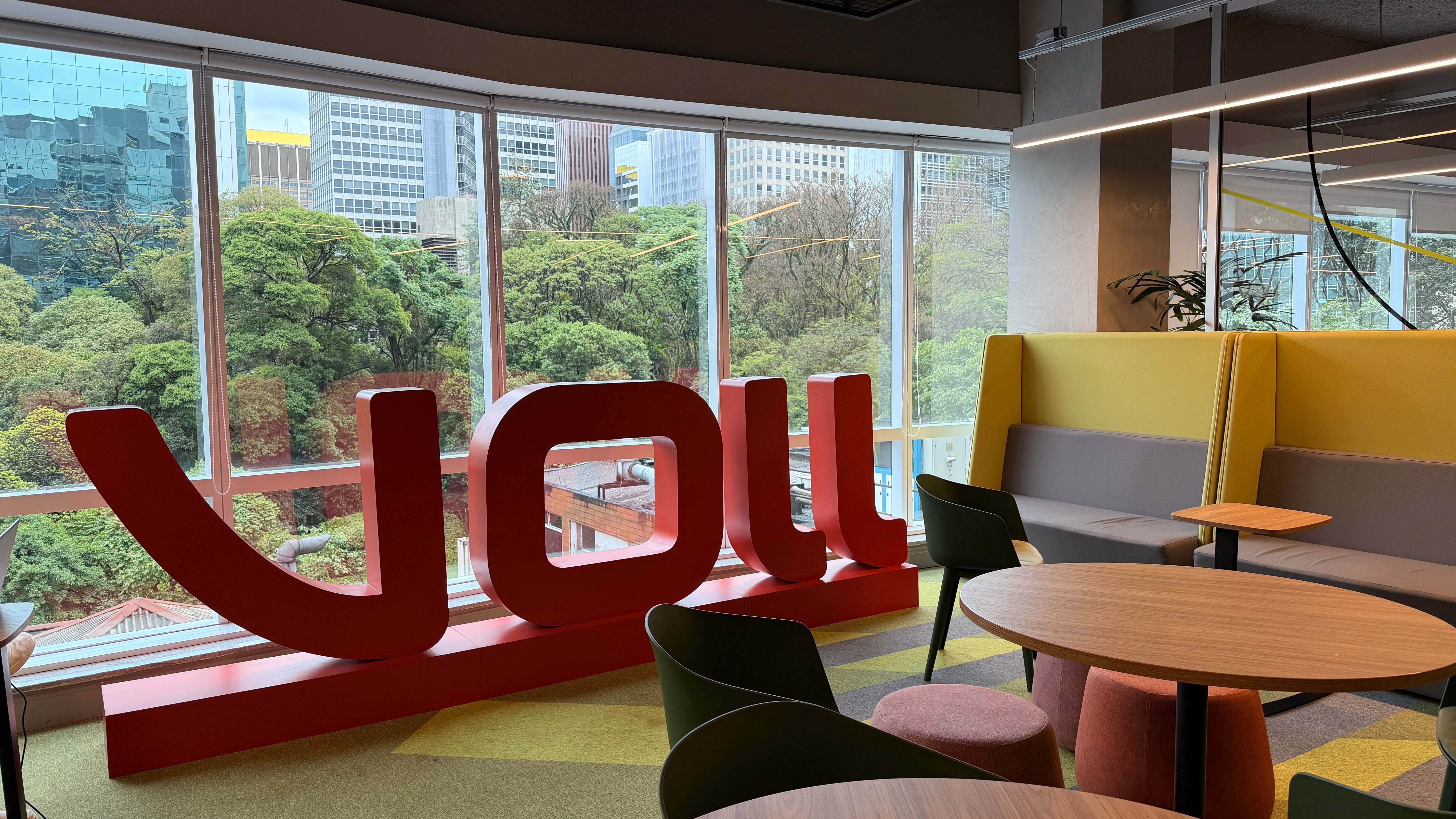
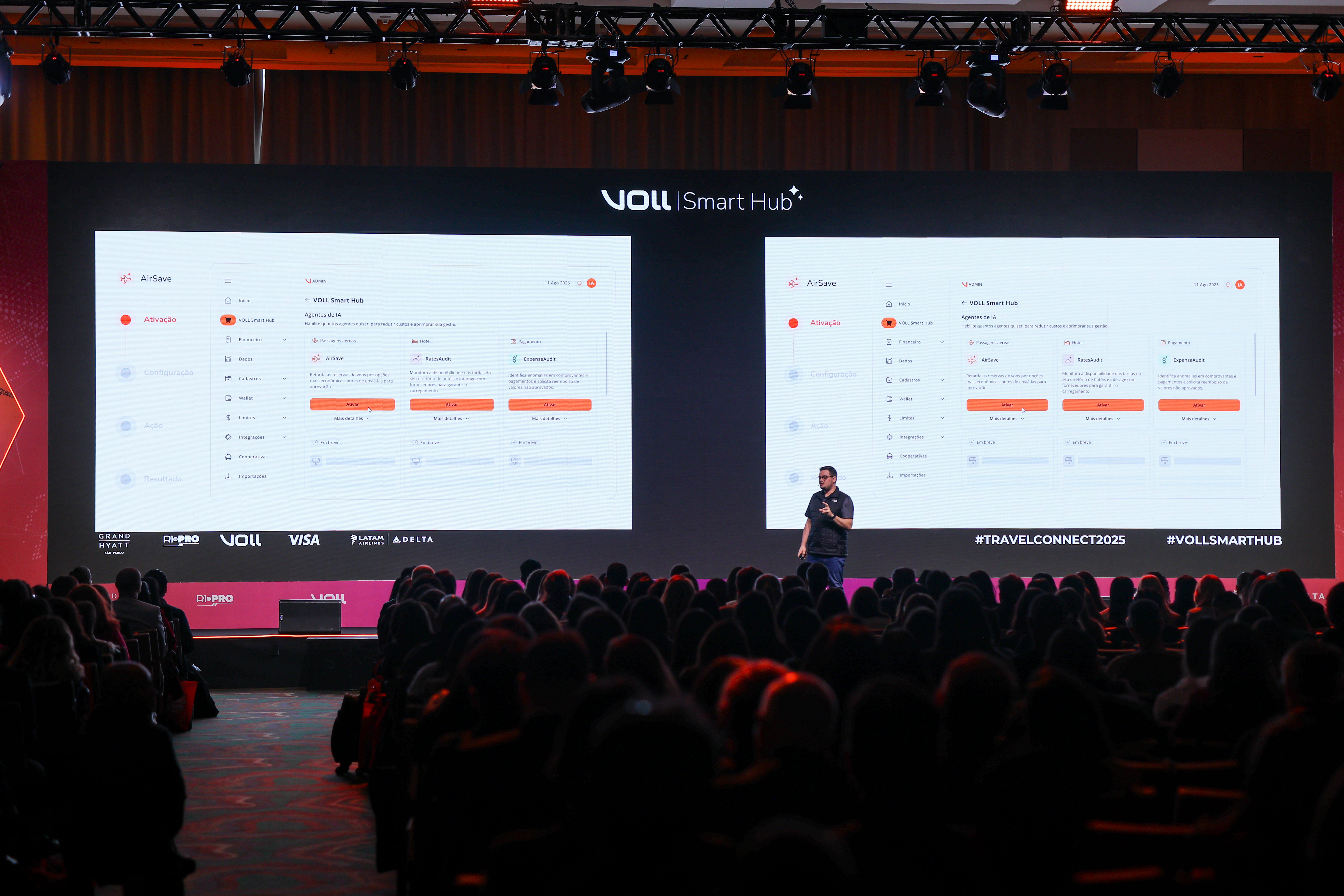
This is where theory stopped being theory, and where I will declare the obvious, that I am writing about my own company and have every reason to be proud of it. The task-and-judgment lens turned out to be a working blueprint, not a seminar abstraction, and the proof arrived fast. In September we launched VOLL Intelligence at our enterprise event, an agentic layer built for travelers and travel managers, the first real expression of the idea that the machine should carry the routine so the human can carry the decision.
Then, just a few weeks later, came the piece that still slightly astonishes me. We began validating an integration that lets a company query its own travel and expense data in plain language, from inside the AI assistants people already use, ChatGPT, Gemini, Claude and Copilot, through an open protocol, with permissions respected and the data staying where it belongs. Ten weeks ago that was a slide in my notebook about where the industry was heading. Now it is in client environments being tested.
The distance between a framework and a feature has collapsed, and living through that collapse inside my own building has been the single most vivid lesson of these ten weeks. The Stanford framing told me to automate the prediction and reinvest in judgment. Watching my team actually do it, deciding task by task where the agent acts and where a person must, has taught me more than the week that named the idea. The value, as usual, hides in the structure underneath rather than the interface on top, and the structure is where the real work has been.
None of this appeared out of nowhere ten weeks ago, and I would be misleading you if I framed it as a sudden conversion. We put real AI agents into clients’ hands back in August 2025, not as slideware or a line in a sales deck, which is still most of what I see passing for AI out there, but as software that takes its own actions. They live in a marketplace we call the SmartHub, and between them, AirSave, Rates Audit and Expense Helper, they have quietly handed clients back millions of reais and thousands of hours, in lower cost, in cleaner everyday operations, and in the unglamorous but vital work of audit, governance and compliance. The clients who embraced them are not politely tolerating the technology. They are celebrating the results.
But the part that actually moves me, and the part that proves the Stanford point better than any product launch, is that we built this from the inside out. Before a single agent reached a client, we turned AI loose on ourselves. We paired teaching with celebrating, every small win in less manual work and more real impact, across every area without exception: Sales, Marketing, HR, Finance, Operations, Sourcing, Supplier Alliances and, naturally, Engineering and Product. People who had spent their whole careers as consumers of technology started building their own internal tools, describing what they needed in plain sentences and watching a kind of artificial brain turn the idea into screens, actions and working applications.
I will resist the word superpowers, but only barely. In twenty years of doing this, I am not sure I have seen anything more gratifying than watching a room of non-technical people become builders. Adopting AI was the smaller half of it. We changed how more than 750 people at VOLL think and work, and the version of the company that came out the other side is a different organism from the one that went in. That, far more than any feature, is what the Stanford week was quietly pointing at: the transformation that matters is organizational, not technological.
One ritual captures it better than any metric. Once a month, on a Thursday morning, the entire company stops and gathers on a single video call, and people from across those teams present the AI agents they have built, each shown with the results it produced for a client or for the business. More than 750 of us vote, after a small AI enablement team has checked that the projects are real, useful and sound on governance, and the one with the most impact takes a prize. Dozens are submitted every round.
The ones that do not win come back the next month, visibly better, and by my count we have now built more than seventy-five of these agents in-house, across every corner of the company. Watching a finance analyst or a sourcing specialist stand up to demo something they built with nothing but plain language is, I promise you, more convincing than any forecast about the future of work.
What changed in my own routine
The smallest change is the one I underestimated most, and it is the one closest to home. My own daily habits have quietly reorganized around this technology, and I only notice when I try to remember how I worked before. The first draft of a thorny analysis, the stress test of an argument before a board meeting, the quick second opinion at an hour when no colleague is awake, these have moved, almost without my deciding it, into a working partnership with a machine.
What strikes me is not that the work got faster, because faster was never the interesting part. It is that the texture of my attention changed. I spend less of my day generating the first rough version of things and more of it doing the part the machine still cannot, which is deciding what matters, what is wrong, what to kill and what to defend.
There is a quiet trap in here that the program warned about, something like an architect’s dilemma. If you let the machine do all the generating, you can slowly lose the very expertise you need in order to judge its output. So I have become deliberate about staying sharp on the things I have delegated, the way a pilot still practices the landing the autopilot can fly. I have written often about how the enduring value in travel tends to live in the human read of a situation that no algorithm has yet fully replaced, and ten weeks of working this new way has only deepened that conviction. The machine made me faster at the easy half and far more responsible for the hard half.
There is a stranger, more ambient change too, almost a new sense I did not ask for. I now notice AI everywhere, and I notice its absence just as sharply. I can often tell when something was made with it, usually with admiration rather than suspicion, and, more usefully, I catch myself spotting the opposite, the task, the campaign, the report, the whole initiative that could have been done with it and was not. Once you start seeing the work that way, it is difficult to stop.
What changed in the market I work in
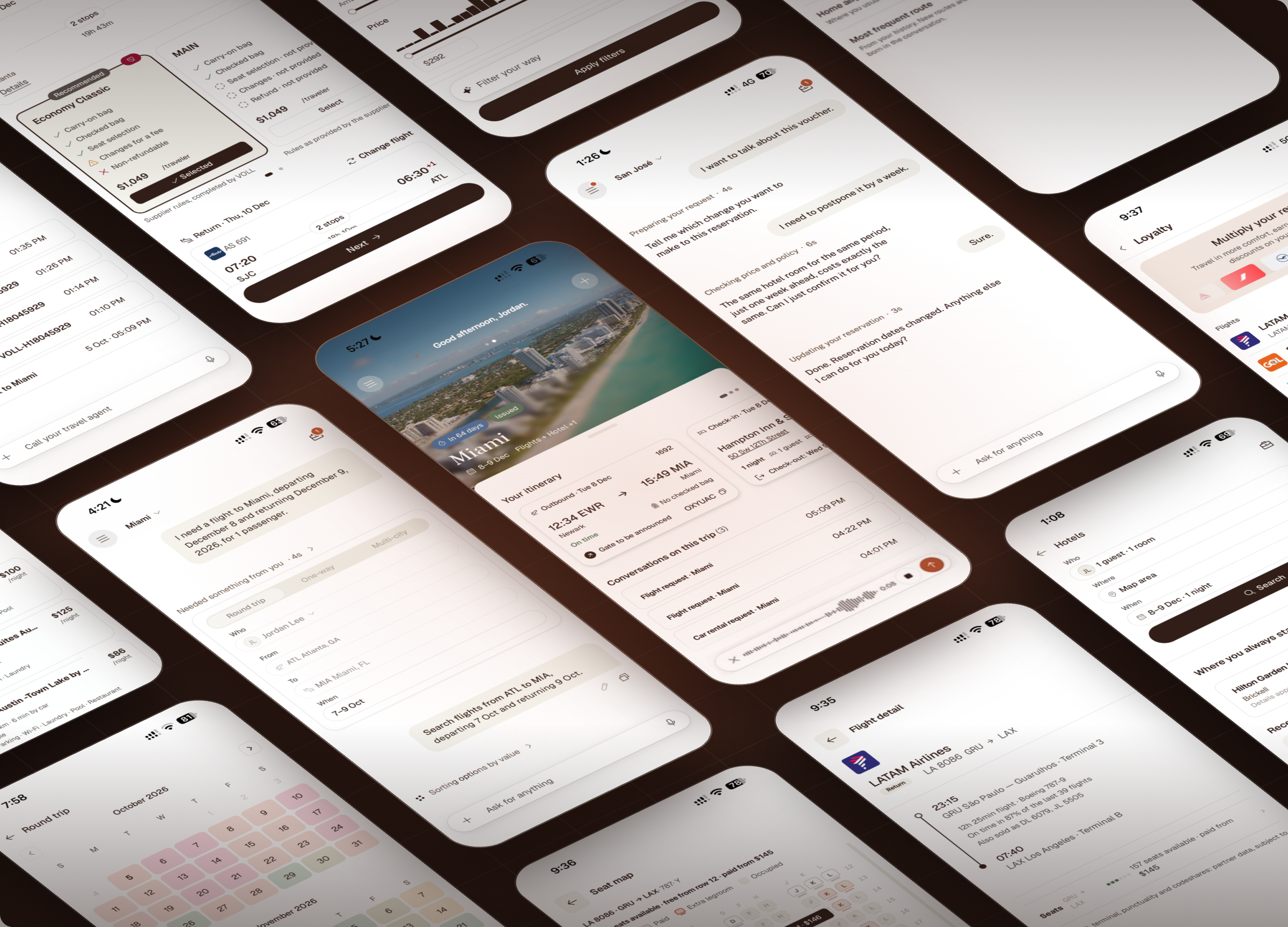
Widen the lens from my desk to the market, and the same shift is visible at scale. In the corporate travel world I live in, the posture toward AI has changed character in a single season. Ten weeks ago the common question from a client was cautious, some version of whether any of this was real yet. The question now is operational, about where to start and how fast, which is the question people ask about something they have already decided to adopt.
I watched that shift crystallize on a single video call not long ago. I had joined a Teams meeting with ten travel managers from one global company, one for each Latin American country it operates in, which was already a first for me, ten people doing the same job across ten different markets. When we showed them the new agentic version of our platform, something changed in the room, even through a screen. The polite, evaluative faces gave way to the look I have come to love, the one where the smiles escape and the heads begin to nod before anyone has said a word.
They were not asking whether the technology was real. They were asking how soon they could have it, and what else it might connect. Ten managers, ten countries, one call, all of them seeing at once that a travel program could finally speak the language of the business it serves.
I see it most clearly in how the conversation with buyers has matured. Travel programs are starting to treat AI the way the Stanford framing suggested, as a way to strip the repetitive administrative work off their people so those people can do what the trip was actually for. The anxiety has not vanished, and it should not, because trust is still the real gate and it is earned slowly. But the center of gravity moved. What was a debate about whether has become a debate about how, and a market that is arguing about how is a market that has already crossed a line.
For a region like mine, long used to watching these shifts arrive late, that acceleration is genuinely leveling, which fits the stubborn optimism I keep returning to about why Latin America is an unusually good place to be building right now.
What has not changed, and should not
For all of that, the most important thing I have noticed in ten weeks is what stubbornly refuses to move. The faster the machine gets at prediction, the more obvious it becomes that the scarce resource is judgment, and judgment is still entirely human. The decision about what a travel program is for, which supplier relationship is worth protecting, when a rule should bend for a traveler having a genuinely terrible day, none of that has gotten cheaper or more abundant. If anything, cheaper prediction has made good judgment more valuable, not less, because there is now so much more generated output that someone has to be wise enough to weigh.
Trust has not changed either, except to become more central. People will not hand a decision to a system they do not understand, and no amount of capability substitutes for that. The things travelers have always quietly refused to give up, the sense of being treated as a person rather than a row in a database, are exactly the things no model has learned to provide. Ten weeks of acceleration has not dented any of this. It has thrown it into sharper relief. The technology raced ahead. The paleolithic emotions and the medieval institutions, to borrow Wilson again, did not, and the whole art of this moment is holding the three in some kind of balance.
Ten weeks, and counting
So that is the honest tally. In ten weeks the world moved from predicting agents to living with them, my company turned a notebook of frameworks into things clients are actually testing, my own workday quietly reorganized around a new kind of partnership, and the market I serve stopped asking whether and started asking how. The theory I flew home with is not aging on a shelf. It is becoming my Tuesday, which is both thrilling and a little vertiginous, because the rate of change shows no sign of slowing down.
If there is a single thing I took from the week that has only grown truer in the seventy days since, it is that the advantage will not belong to whoever has the most powerful model. It will belong to whoever designs their organization, and their own attention, most clearly around the line between what a machine should predict and what a human must judge. I flew to California to study that line in a classroom. I have spent the ten weeks since watching it get drawn, redrawn and tested in real time, in my market, in my company and at my own desk. The next ten weeks will move at least as fast, and I find myself, as usual, stubbornly optimistic about where my region can go, precisely because so much here is still being built rather than retrofitted. For someone who has loved this industry since he toured the world through a library atlas, there are far worse places to be standing than right in the middle of the current, notebook in hand, learning to swim in it rather than just read about the water.
About me
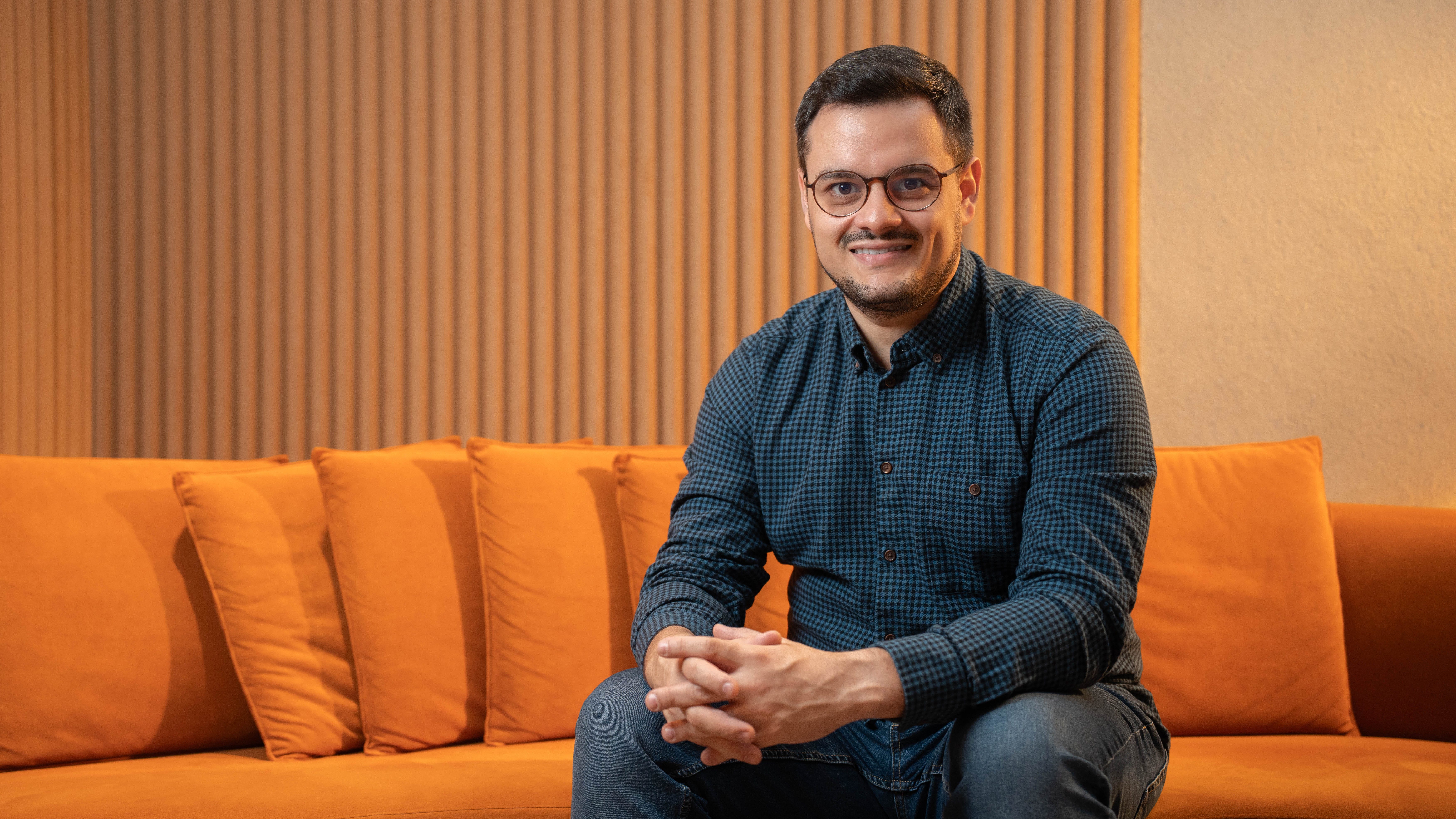
I am an entrepreneur with over 20 years of experience at the intersection of tourism and technology. I am co-founder and Chief Business Officer of VOLL, the largest mobile-first corporate travel and expense management platform in Latin America, where I lead the commercial strategy behind our AI adoption.
A first-cohort graduate of The AI-Powered Organization at Stanford Graduate School of Business and a Marketing specialist from Fundação Dom Cabral, I serve on the Tourism Council of FecomércioSP and on the Executive Council of the Latin American Association of Corporate Events and Travel Management (Alagev). I write and speak about innovation, digital transformation, entrepreneurial leadership, and the future of corporate travel.
Discussion about this post