Orlando is the most visited city in America. The magic is only the half you can see
Seventy five million visitors, Florida’s busiest airport and a hotel market like no other, from someone who keeps going back.

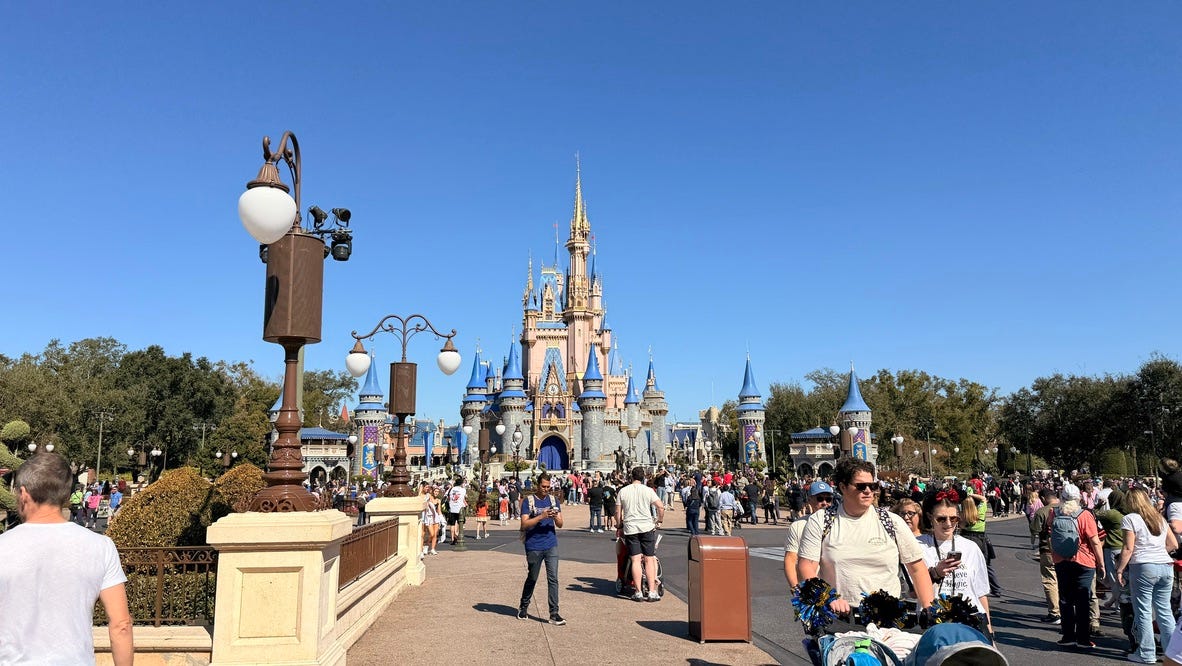
I have landed in Orlando more times than I can properly count, and I still get a small, slightly embarrassing thrill every time the wheels touch down. Part of that is the avgeek in me, the one who has loved the particular smell of an airport since the first one he ever walked into. Part of it is simpler and older than that.
For a boy who grew up traveling the world through a library atlas, because the real trips were two or three car rides to the beach, Central Florida was one of the first places where the map turned into a real floor under my feet. I keep going back, for work and for the plain pleasure of it, and over the years I have come to believe that almost everyone misreads what this place actually is.
The world files Orlando under theme parks, a sunny detour for families chasing a castle. That version is true, and it is also tiny. I have written before about how a departure lounge has always felt to me like one of the safest places I know, and Orlando is the destination that most rewards that affection, because the machinery underneath its cheerful surface is extraordinary.
The castle is the part you are supposed to see. The real Orlando is one of the most sophisticated travel economies on the planet, and understanding how it works tells you more about the future of travel than any single resort ever could.
The most visited city in America
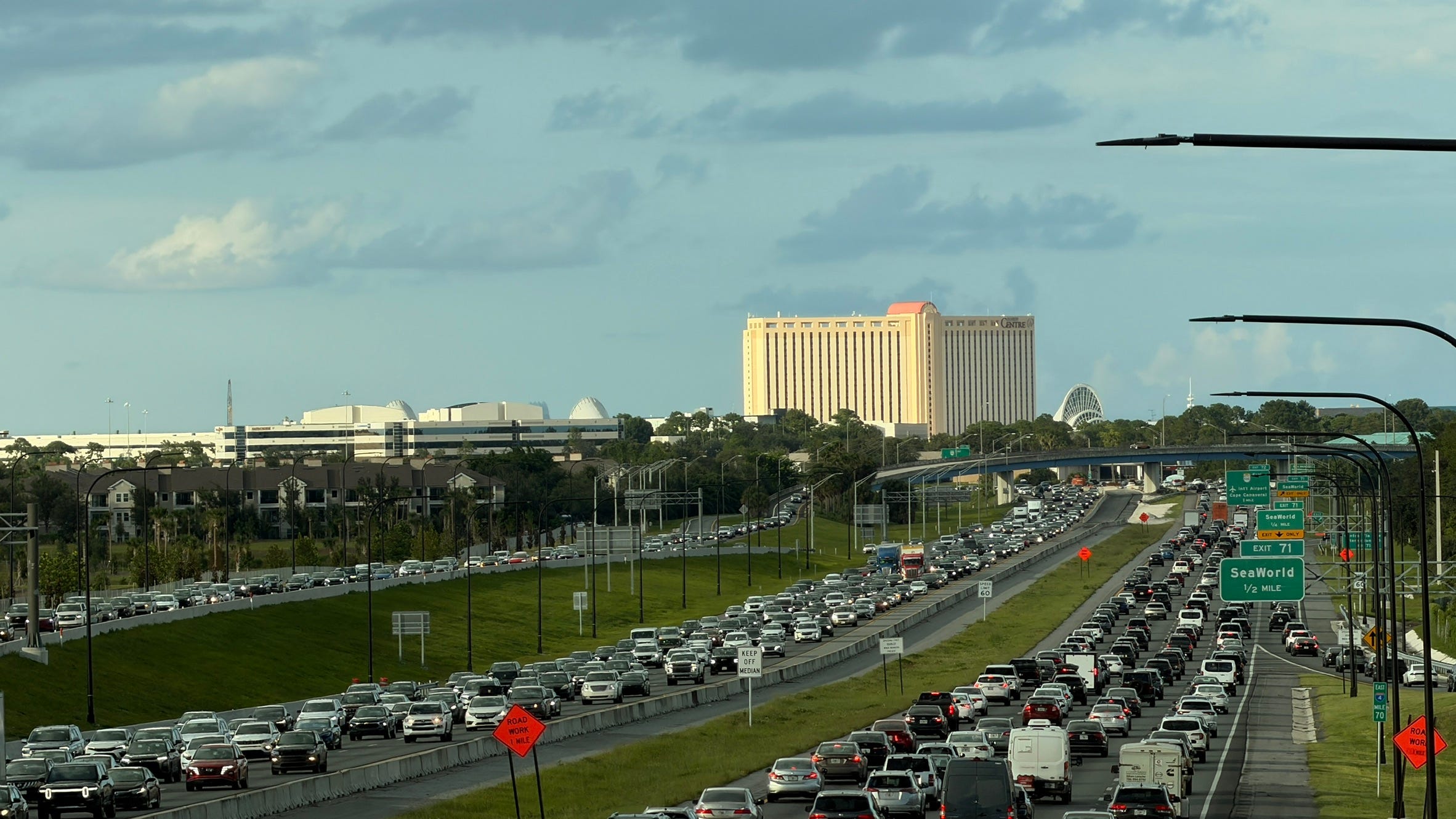
Start with the number that still surprises people who think of this as a children’s destination. Orlando welcomed roughly 75.3 million visitors in 2024, which made it, once again, the most visited destination in the United States. Not the most visited leisure destination, or the most visited among families with small children. The most visited, full stop, ahead of New York, ahead of Las Vegas, ahead of every coastal city that markets itself far more aggressively as sophisticated.
Sit with the scale of that for a second. A metropolitan area built on former swampland and citrus groves now moves more human beings through itself in a year than almost any city on earth, and it does so while making the whole operation look effortless, even whimsical.
The effortlessness is the trick, and it is not an accident. A place does not accidentally absorb 75 million people a year. It builds, deliberately and over decades, the airports, the roads, the rooms and the systems required to make a crowd that size feel like a pleasant afternoon. That hidden competence, not the mouse, is the thing I find genuinely impressive, and it is the thing the rest of the travel world keeps underestimating.
The 2024 total also brought the city back within close sight of its pre-pandemic peak, a recovery faster and steadier than most of the world’s great tourist capitals have managed, which tells you the demand is structural rather than a passing post-crisis bounce.
An airport built like a small nation

Every great destination rests on an airport, and Orlando’s is a quiet monster. Orlando International Airport, MCO, handled about 57.2 million passengers in 2024, which keeps it comfortably Florida’s busiest airport and, by 2025, the seventh busiest in the entire United States. That is a staggering figure for a metro area of its size, and it exists for one reason. The airport is scaled not to the people who live in Orlando but to the many times larger number who visit, which is the inverted logic that governs every true destination city.
What makes MCO interesting to someone like me, who notices these things for a living, is that it was clearly designed around the visitor rather than the commuter. Its recently opened Terminal C added a generation of capacity with the deliberate airy calm of a place expecting to grow, not one scrambling to catch up.
And it does not stand alone. Orlando Sanford International quietly handles charter and low-cost traffic to the north, giving the region a second gateway that most cities its size would envy as their first. Add the arrival of Brightline’s higher-speed train, which now connects the airport directly to South Florida, and you get something rare in the United States, a destination you can reach by air from almost anywhere and then leave by rail without touching a car. That connectivity matters most to travelers like the ones I serve.
The steady build-out of direct flights from cities across Latin America has quietly shortened the distance between a São Paulo boardroom and an Orlando convention floor to a single overnight hop, which is the kind of structural change that reshapes a market long before anyone writes a headline about it. The structure underneath the trip, the part no tourist photographs, is where Orlando quietly separates itself from its rivals.
The convention center nobody books a vacation around

Here is where the family-vacation story quietly falls apart, and the real Orlando steps forward. A few minutes from the theme parks sits the Orange County Convention Center, about 7 million square feet of it, the second largest convention facility in the United States, drawing on the order of a million delegates a year.
That is not a leisure number. That is one of the largest concentrations of business travel in North America, humming along beside the roller coasters, almost completely invisible to the people who think they know what this city is for. The shows it hosts are among the biggest in their industries, filling those 7 million square feet with the unglamorous commerce that actually pays a city’s bills, the medical-device launches, the technology summits, the trade floors where billions of dollars quietly change hands while, a few miles away, someone is deciding which ride to queue for next.
This is the part I wish more people in my industry understood. Orlando is not a leisure city that also happens to host conventions. It is a serious business travel capital that happens to be surrounded by theme parks, and the two engines feed each other in a way almost no other city manages. The executive flying in for a medical-device convention is served by the same vast airport, the same enormous hotel inventory and the same dense web of restaurants and transport as the family flying in for a week with the mouse.
The infrastructure built for one is overcapacity for the other, and overcapacity, in the travel business, is a luxury that translates directly into reliability and price. A convention planner choosing Orlando is really choosing the slack that 75 million annual visitors paid to build.
A hotel market with a room for every budget

Nowhere is that abundance more visible than in where you sleep. The Orlando area holds roughly 130,000 hotel rooms, one of the deepest lodging markets in the country, and what I love about it is less the sheer count than the range. I have argued for years that hotels are where a corporate travel program quietly wins or loses, and Orlando is the clearest classroom I know for that lesson, because it offers a genuine room for every traveler and every budget on the same few highways.
You can stay for well under a hundred dollars in a clean, functional value hotel built for a family watching every dollar, and twenty minutes away you can check into a Four Diamond resort with a spa and a private lagoon. Universal alone now operates eleven hotels with around 11,000 rooms, a figure that expanded again around the May 2025 opening of Epic Universe, its enormous third theme park.
That depth is why Orlando’s hotel occupancy sat near a healthy 71.6 percent in 2024 even as supply kept growing, and it is why the city can swallow a convention of fifty thousand people and a school holiday in the same week without the whole market seizing up. For a traveler, that variety is freedom. For a travel manager, it is leverage, the rare destination where policy and comfort almost never have to fight. The range is the asset, and few places on earth can match it.
Why I keep going back (and I know you do too)
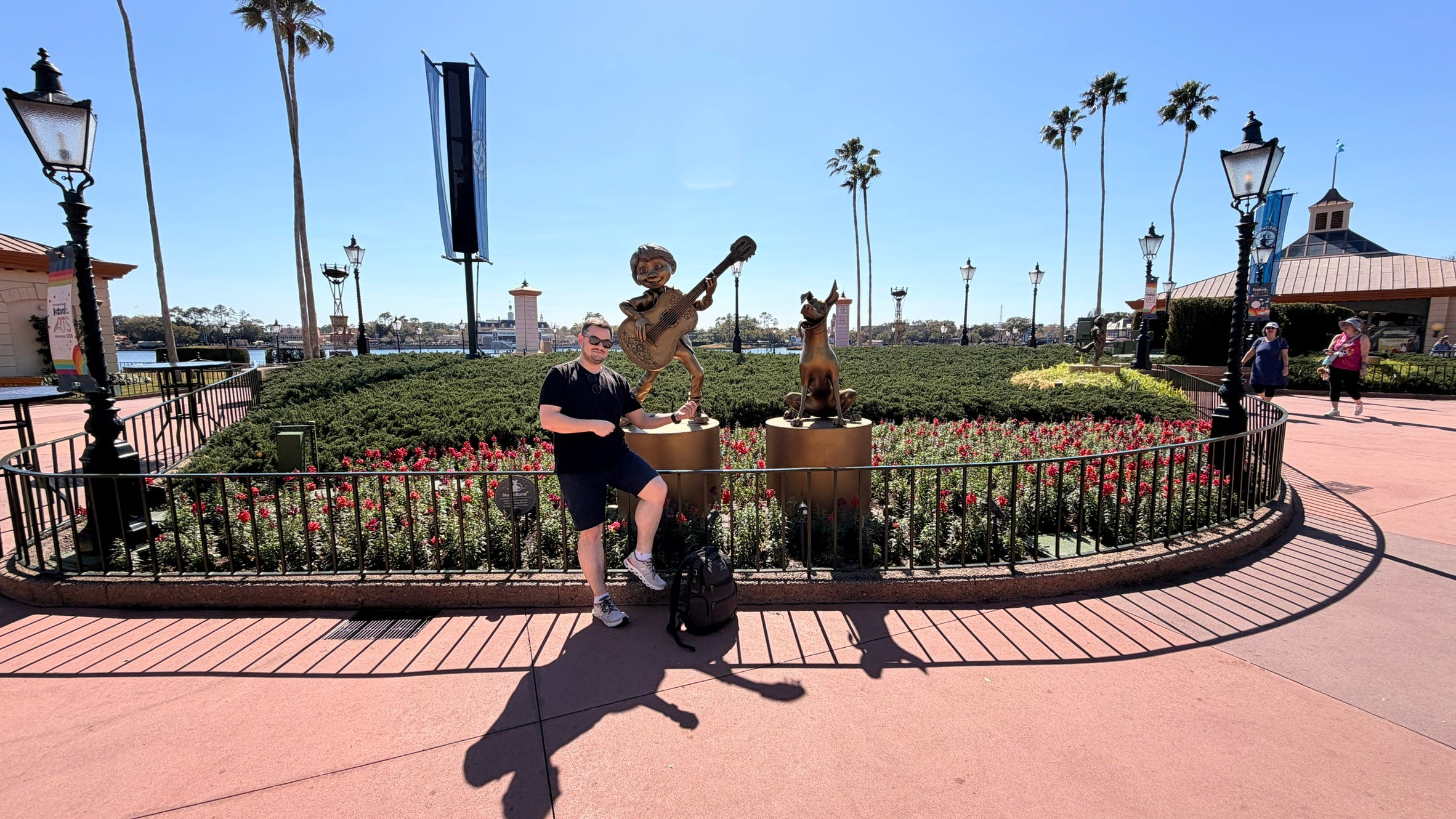
I should admit the personal bias plainly, because it shapes how I read all of this. I have a real soft spot for Central Florida, and not mostly for the parks. What draws me back is the quieter region most visitors rush straight past on their way to the gates. I think of Winter Park, with a timeless, moneyed charm that the theme-park crowds never see, its brick streets and old oaks and a lakeside calm that feels like a different state entirely.
I think of Sanford’s revitalized historic downtown, a small time capsule of a Florida that predates the mouse by a century, and of Lake Mary, a cluster of corporate offices that quietly reminds you real people build careers here, not just vacations. A commuter rail line, SunRail, threads these towns together, and riding it is the closest thing Central Florida has to the European rail calm I keep chasing.
This is the Orlando I return to several times a year, and the one I think about when people ask why I care so much about a place the rest of the business world treats as frivolous. The truth is that Orlando rewards exactly the thing I believe travelers never really want to give up, which is the quality of the experience itself.
You can have a cheap and cheerful week of pure spectacle, or a quiet morning with good coffee in a lakeside town most tourists will never find, and the same airport and the same highways serve both. A place that can be a child’s dream and an adult’s retreat on the same trip is doing something very few destinations even attempt.
The Brazilian connection
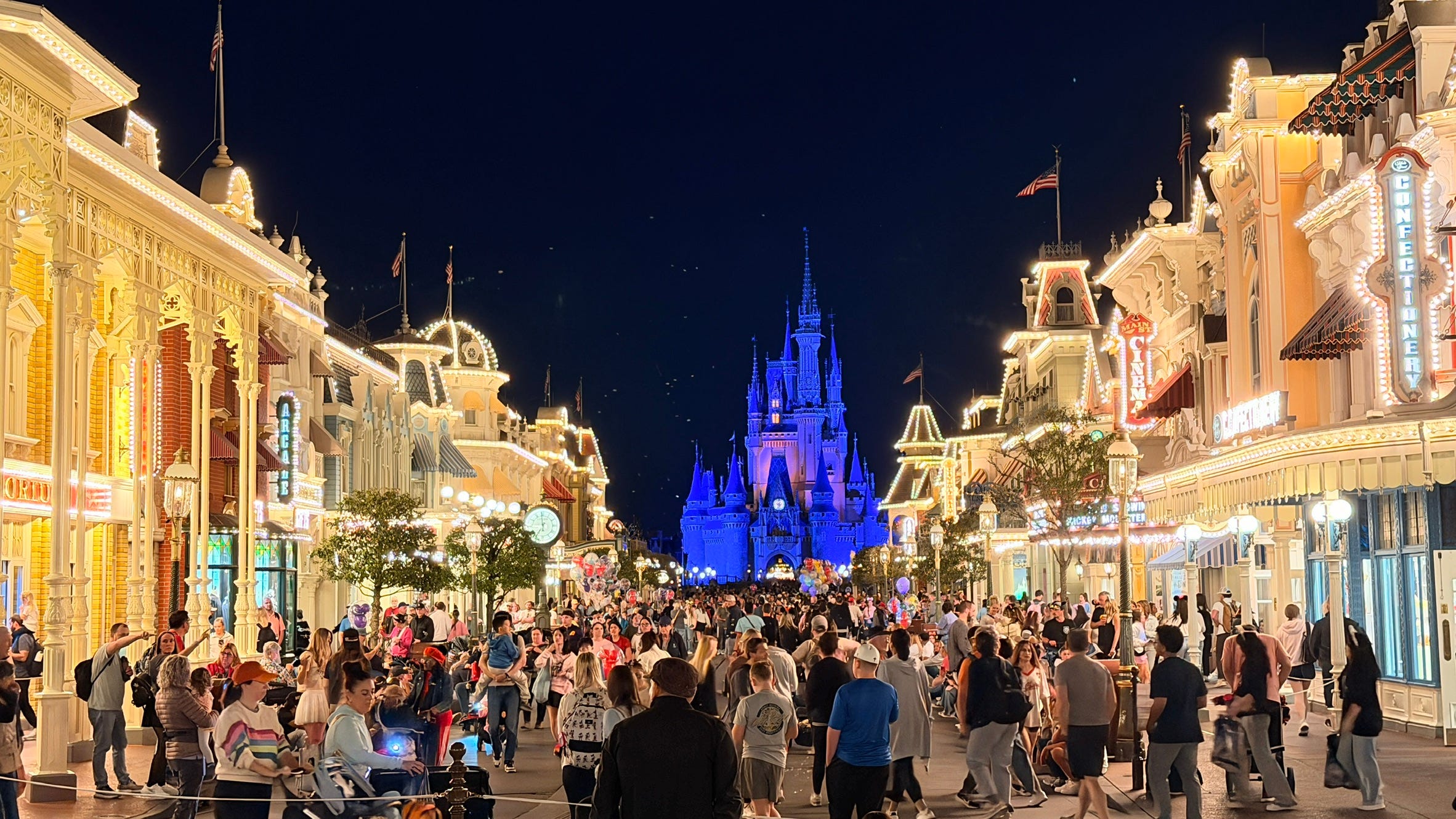
I cannot write about Orlando without writing about my own region, because the link is deep and personal and growing. Brazil is one of Orlando’s most important international source markets, and for Brazilians of my generation the city occupies a specific emotional address, the place the whole family saved for years to reach, the first stamp in a lot of first passports. That bond is not nostalgia. It is a live and rising economic force.
A recent survey my own company ran, analyzing booking demand, found Brazilian searches for Orlando up 52 percent over this October holiday compared with a year earlier, enough to rank it the third most sought international destination for Brazilian travelers, behind only Paris and Rome. What strikes me most in that data is the blend.
The demand is no longer purely the family pilgrimage to the castle. It increasingly includes the executive flying up for a convention, the founder doing a week of immersion, the manager scouting a market, which is exactly the leisure-and-business fusion the city is built to serve. I remain, as I tend to be, stubbornly optimistic about what Latin America is building and where its travelers are going, and Orlando is the clearest proof that our region’s appetite for the world is maturing from dream into routine. The castle is still there. Now there is a convention badge in the same suitcase.
What Orlando actually teaches
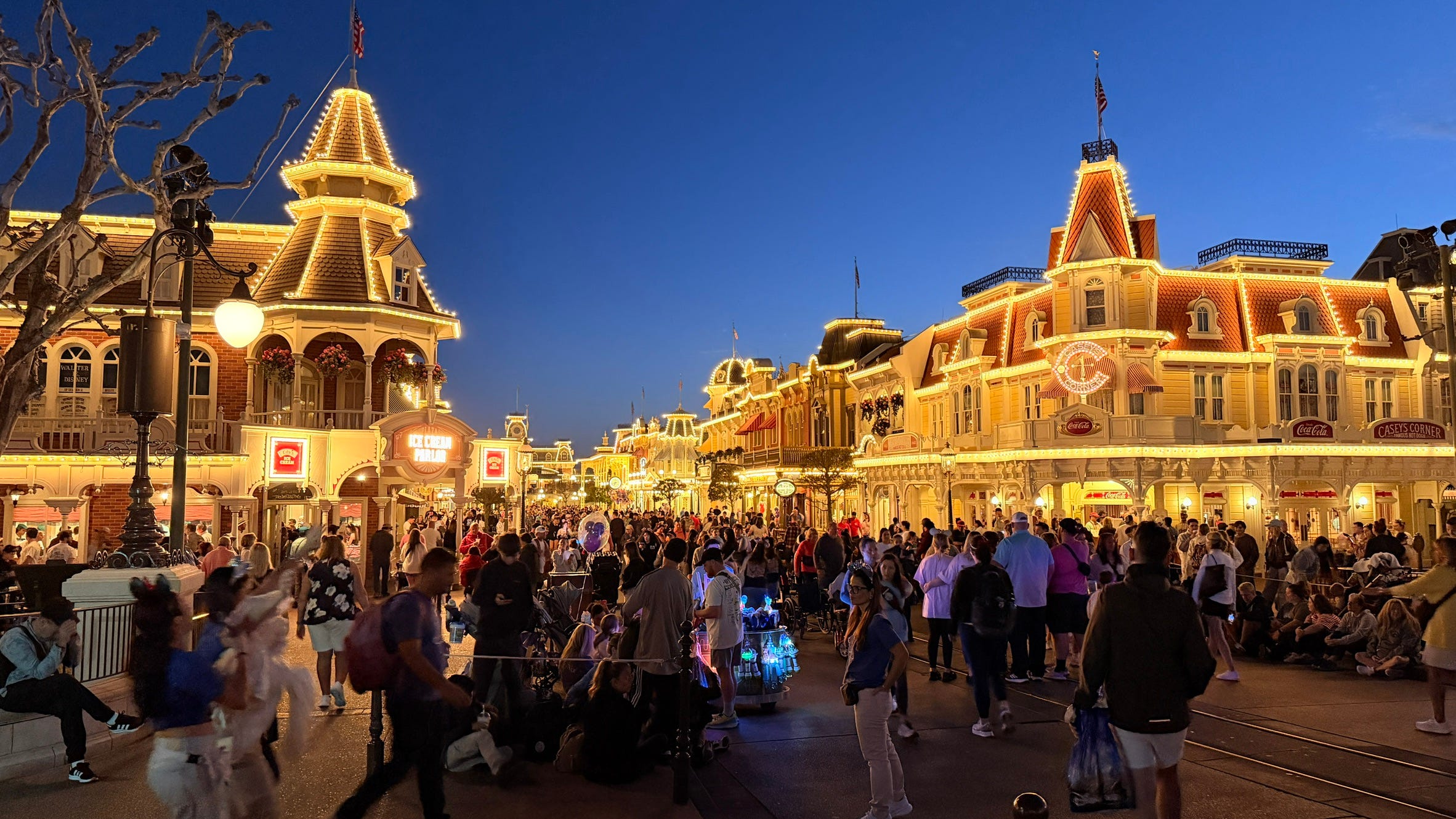
So I come back to the thing I think most people get wrong. Orlando looks like the least serious city in America and is quietly one of the most serious, and the lesson underneath its cheerful surface is one the whole travel industry should study. Its power is not the parks. It is the fusion of leisure and business at a scale that builds infrastructure neither could justify alone. The family going to Disney pays, in a sense, for the convention center’s reliability. The executive at the convention helps fill the planes that make the family’s fare affordable.
Each engine subsidizes the other, and the combined density produces an airport, a hotel market and a transport web that a pure business city or a pure resort town could never afford on its own. And none of that density runs itself. Behind the seamless surface is an enormous workforce that makes an overwhelming operation feel personal, the kind of human competence no algorithm has yet replaced, scaled somehow to 75 million strangers a year.
That is the real magic, and it has nothing to do with a mouse. It is what happens when a place stops choosing between serious and fun and decides, with enormous discipline, to be overwhelmingly good at both. I keep going back partly because I love it, the airports and the hotels and the quiet lakeside towns, and partly because every visit is a working lesson in how travel capacity actually gets built.
For the kid who once toured the world with a finger on a library atlas, there is a particular joy in landing, again, in the one American city that decided to make almost everyone’s map real at once. The castle is the half you can see. The machine that moves 75 million people a year to reach it is the half worth studying.
About me
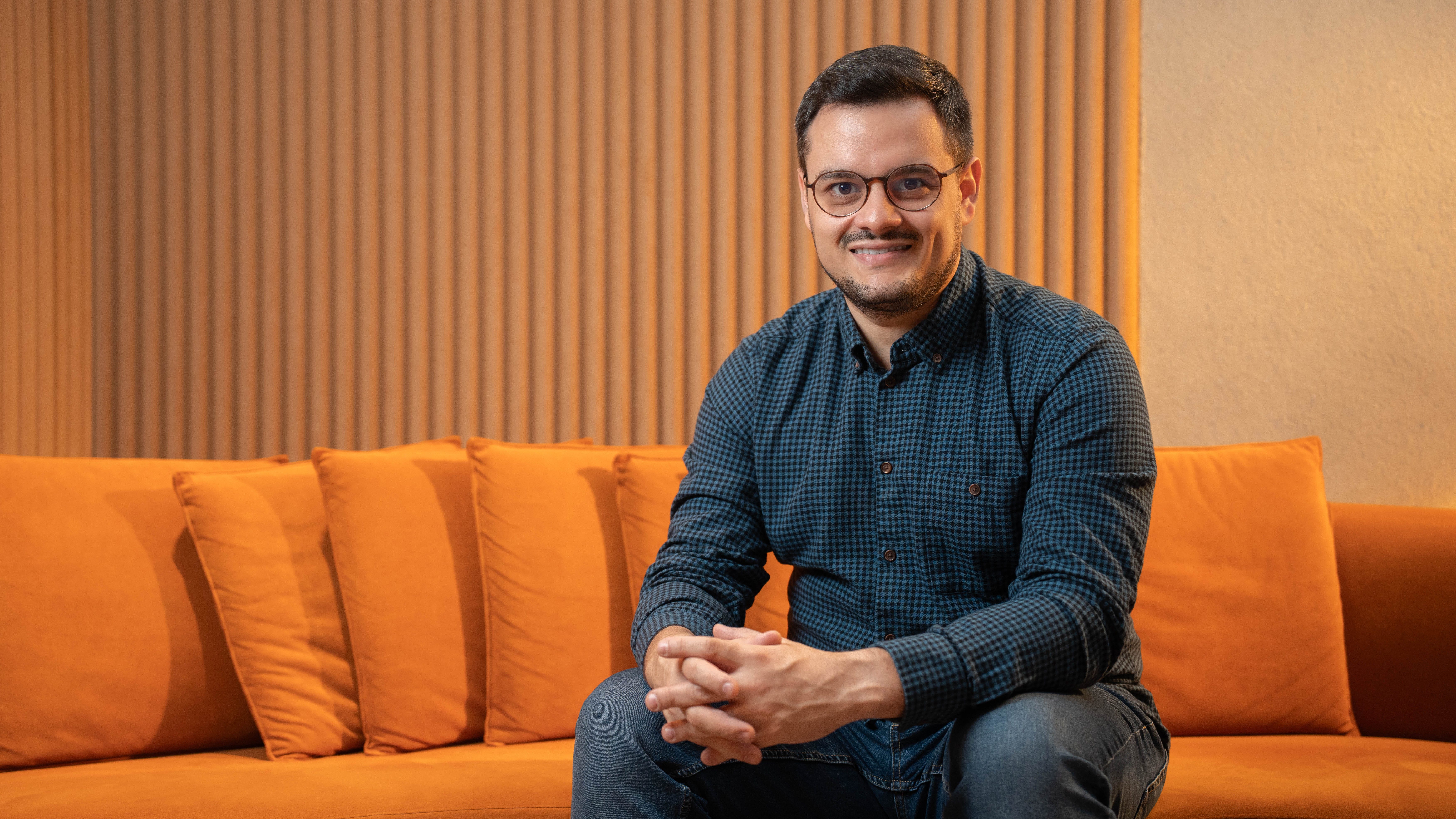
I am an entrepreneur with over 20 years of experience at the intersection of tourism and technology. I am co-founder and Chief Business Officer of VOLL, the largest mobile-first corporate travel and expense management platform in Latin America, where I lead the commercial strategy behind our AI adoption.
A first-cohort graduate of The AI-Powered Organization at Stanford Graduate School of Business and a Marketing specialist from Fundação Dom Cabral, I serve on the Tourism Council of FecomércioSP and on the Executive Council of the Latin American Association of Corporate Events and Travel Management (Alagev). I write and speak about innovation, digital transformation, entrepreneurial leadership, and the future of corporate travel.
Discussion about this post