


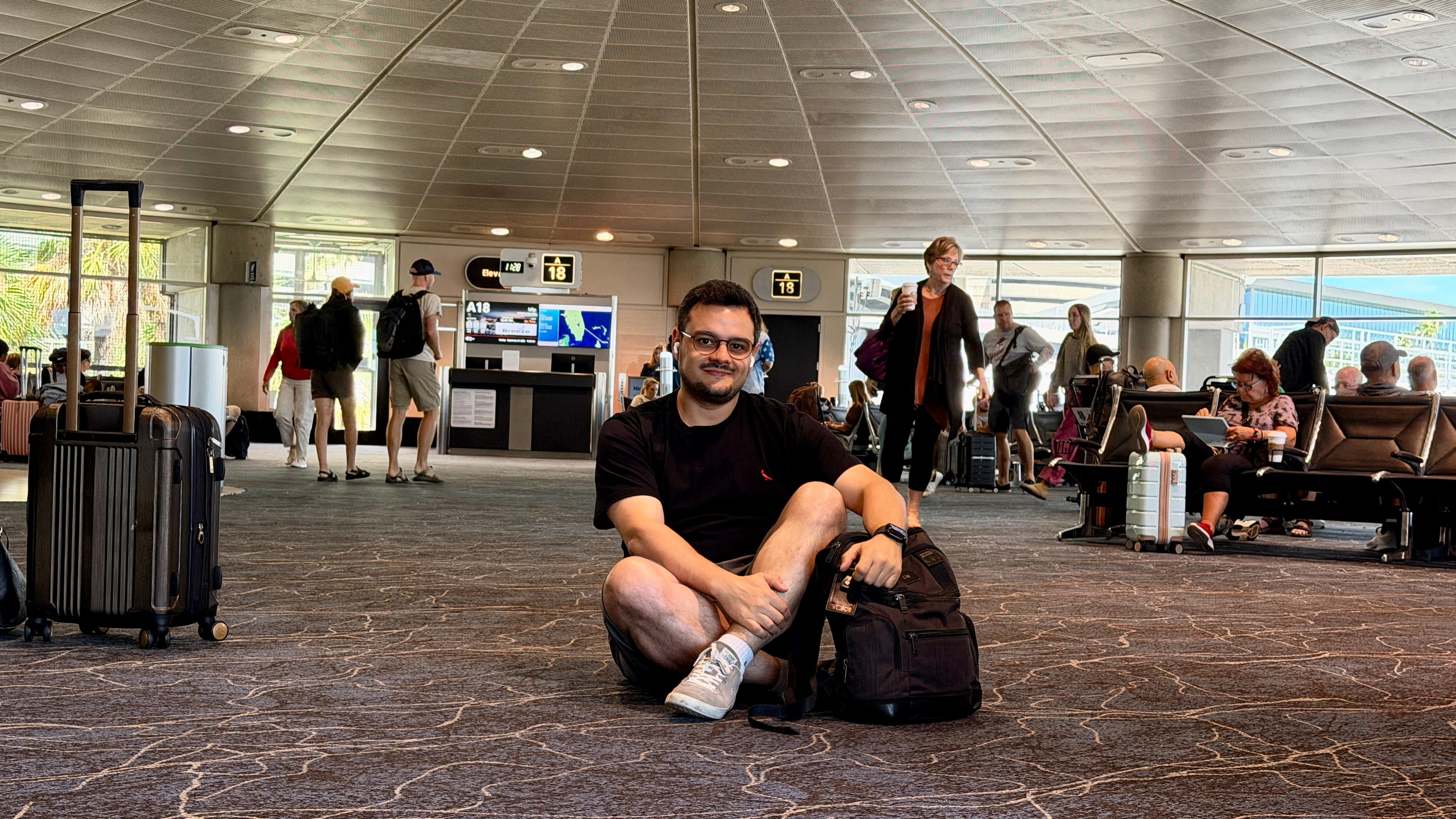
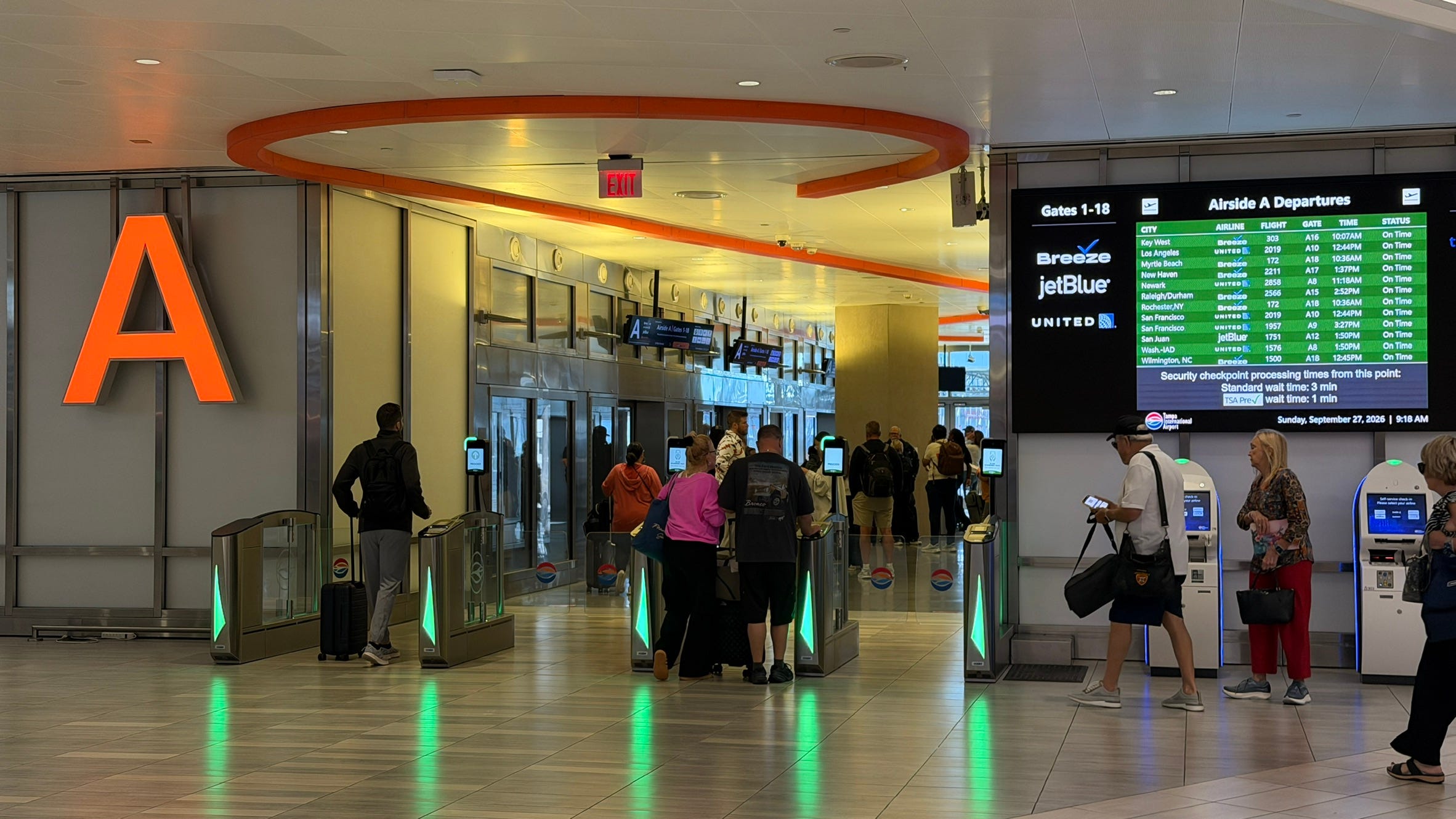
I am writing this from one of my favorite places on earth, and I understand how strange that will sound to most people. It is a departure lounge. I am at the airport in Tampa, Florida, waiting to board, and in a few minutes I am going to try Breeze Airways for the first time. If you know me well, you can imagine how excited I am right now.
The flight is short. It will still be unforgettable, because almost every flight is, to me. Today is World Tourism Day, and I decided to celebrate it by doing the one thing I love more than anything, which is to travel. So I am sitting at the gate, watching the boards flip and the planes push back, and I feel the way other people feel when they finally get home.
That feeling is what I want to write about, because it did not come from a life of travel. It came from the opposite.
The boy who traveled by atlas
I grew up in a middle-class family in Brazil, in a house where love was never the scarce thing but money for airplanes certainly was. My mother built an admirable career as a public school teacher, and my parents made sure that my two younger sisters and I never lacked the best books, the best music, the best stories, even in the many months when what we had at the table and in technology was just the basics.
What we did not have were trips. The only journeys of my childhood were a handful of drives to the coast, five of us packed into a modest car that was not the car of the year, eight hours each way to a beach that welcomed families exactly like ours. I did two or three of those before I turned eighteen. That was the whole of my travel life as a boy.
So I traveled the only way I could afford to, which was through paper. I was the kid who went to the school library to check out the atlas, the big one with the countries and the capitals, and I read it the way other children read adventure novels.
I was very good at geography, and it was never only an academic thing. It was a way of going somewhere. I watched every documentary about faraway places that television would give me. I memorized borders and biomes and the names of cities I had no reason to believe I would ever see.
Travel, for me, started as an act of imagination, not of movement. I want to be honest about that, because I think it is the root of everything that came after.
The smell of an airport
There was one relative who had actually gone. A great-uncle of mine had traveled the entire world and lived abroad, in California, for years while I was small. He was proof, sitting right there in the family, that the atlas described real places a person from my family could actually reach. I held on to that.
And then I set foot in an airport for the first time, and something happened that I have never been able to fully explain. I fell in love with the smell of it. That specific mix of jet fuel and cold air and coffee and departure. Years later, on an old social network some of you will remember called Orkut, there was a community called “I love the smell of airports,” and of course I was a member. I am telling you this small, slightly ridiculous detail because it is the truest thing I can say about myself. Before I had ever earned a single mile, I already belonged to the airport. The building felt like a promise that the atlas had been keeping for me.
At sixteen, the first flight
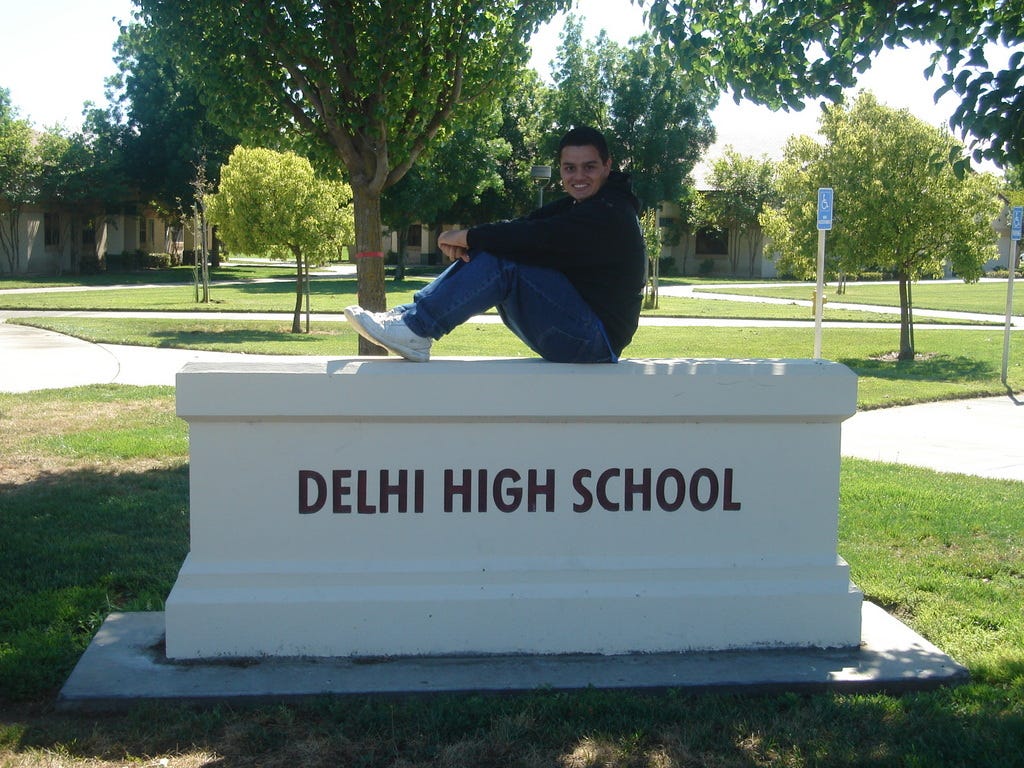
I took my first flight at sixteen. It was a domestic hop to São Paulo, and then a connection onto an international flight, nine and a half hours from São Paulo to Dallas, Texas, on my way to spend a year as an exchange student in California. The turn of that year, from 2006 into 2007, remains the most moving of my life. Not because of fireworks or a fancy dinner, but because I could feel, minute by minute, that I was living a dream in all its simplicity. The boy who had traced these distances with a finger on a library map was now crossing them at altitude, with his own name on the ticket.
California gave me more than a new language. It gave me a conversation I have never stopped carrying. Through family, I met a Brazilian woman in her sixties who had lived in the United States for over a decade after retiring from a long career in public relations at Coca-Cola International. We spent weeks talking.
One day I asked her which countries she had been lucky enough to visit, and she smiled and told me it would be easier if I asked which ones she had not had the chance to see. I remember almost nothing else from the drive we were on, but I remember that sentence with total clarity. It reorganized what I thought a career could be.
Here was someone who had built a professional life that carried her across the world, and who described it not as sacrifice but as a gift. From that moment, I stopped believing that seeing the world and earning a living had to be two separate things.
I did not study tourism, and I could not leave it
Here is the part that still makes me smile. I did not study tourism. I studied communication and public relations. I thought I would follow my mother into teaching, that I would spend my life passing knowledge to the next generation. But all through university I worked in travel anyway, because I could not help it. For about four years, the entire length of my degree, I was a receptionist at a hotel in Belo Horizonte, checking guests in and checking them out, standing at the exact border between a person and their journey. I did not fully understand at the time that I was already home.
When I graduated I tried, for one year, to do the sensible thing and work in pure communications, away from travel. I lasted a year. The missing of it, the plain homesickness for the industry, would not let me stay.
Portuguese has a word for that ache, saudade, and I felt it for a business, which sounds absurd until it happens to you.
So I went back, to a corporate travel agency that would later become the company I helped found. I have never tried to leave again. Every professional turn since then has kept me inside this world, because it turned out that the world was not a phase or a job. It was the safe place the atlas had been describing all along.
Why I call it safe
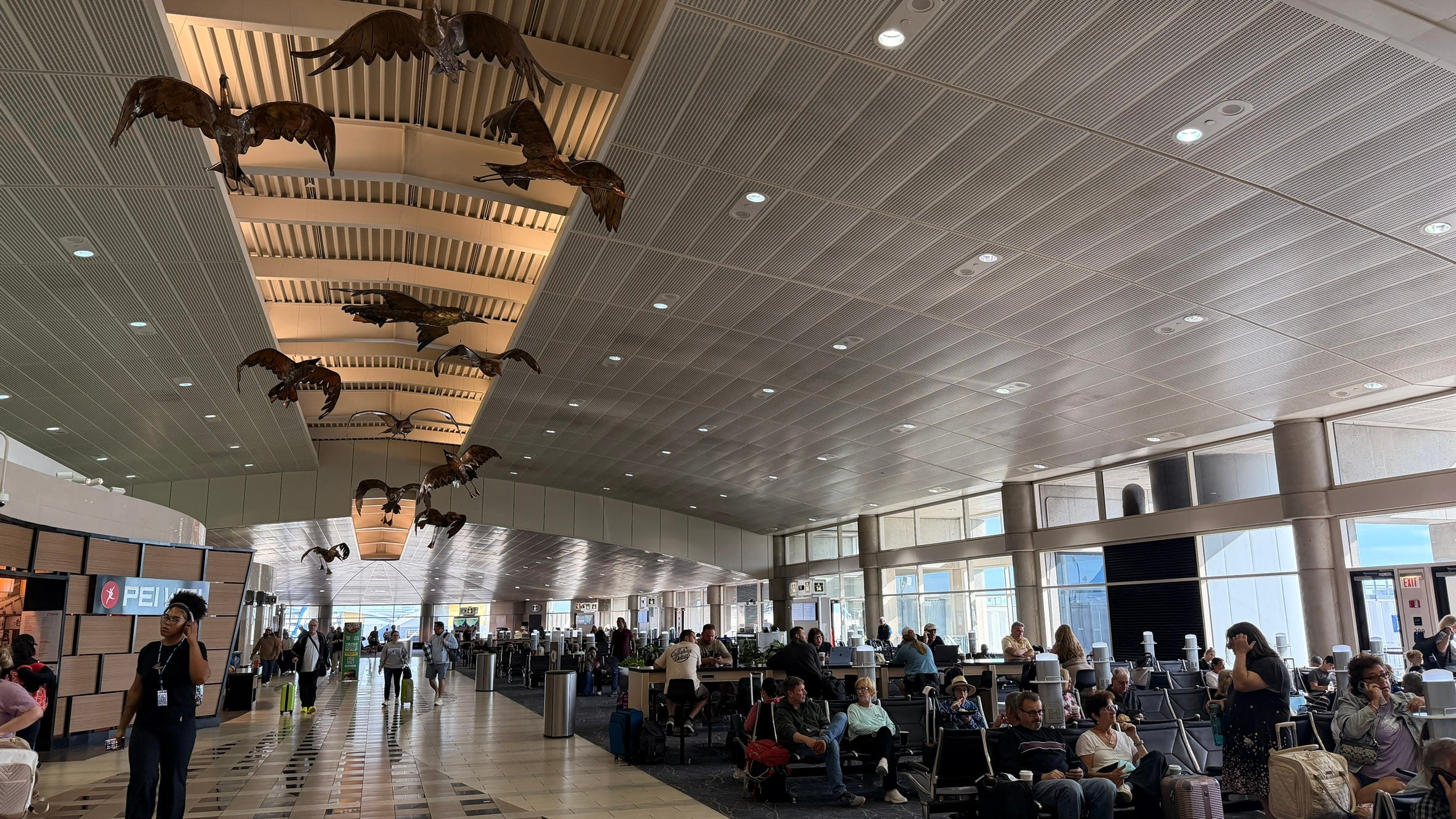
I have thought a lot about that word, safe, because it is not the word people expect for an industry built on movement, delays, disruption and distance. But it is the right one for me.
Tourism was safe because it was the one place where the difference between the boy who could not afford a trip and the boy who dreamed of the whole map simply stopped mattering. In the airport, in the documentary, in the atlas, and later in the hotel lobby and the departure lounge, I was never poor or provincial or out of place. I was just a person in love with where people go and why.
This is an industry that talks about achievements and personal projects far more than it talks about corporate limits. It is about the wedding someone is flying to, the deal someone is about to close, the family finally reuniting, the reinvention someone is quietly attempting. It connects people to dreams and to memory. That is a safe place to spend a life, because it is a generous one.
It is also, and this matters to me on a day like today, one of the most resilient industries in the world. It barely stops growing. It absorbs shock after shock and keeps connecting people. I have built a career on the corporate side of it, on the unglamorous machinery of trips that have to work, and I have never once felt that the machinery was separate from the magic. The spreadsheet and the wonder are the same thing seen from two angles.
The gate, again
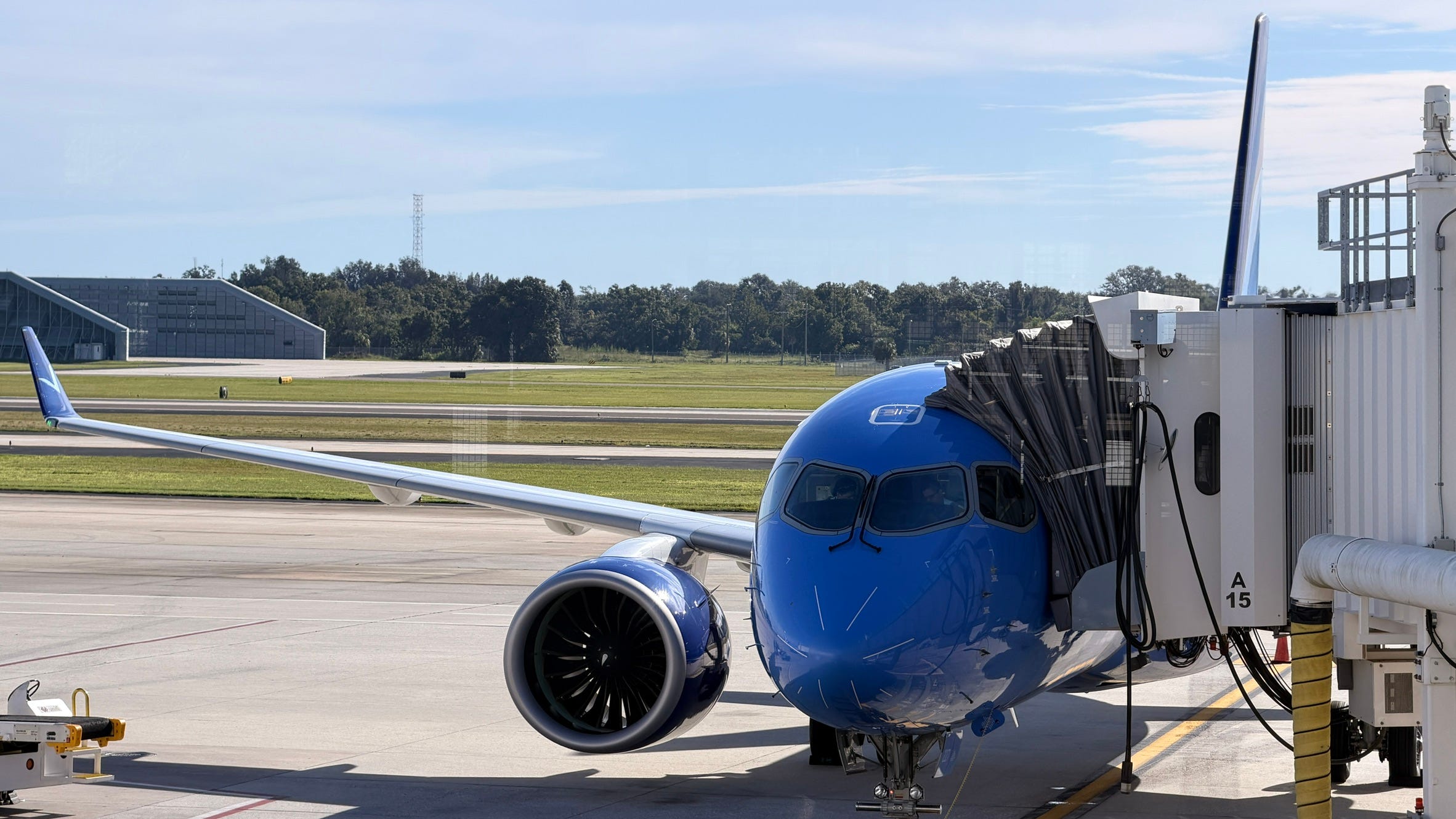
They will call my Breeze flight soon. It is a small first class on a short route, and I am as excited as I was at sixteen with a connection to Dallas, which tells me something reassuring about myself. The awe never wore off. I still love the smell of the airport. I am still, underneath the titles and the years, the kid with the library atlas who could not believe the countries were real.
If you work in this industry, on any side of it, in an airline or a hotel or an agency or a platform, in operations or sales or service, you already know what I mean, and today is your day too. We are the people who turn distance into a story someone gets to keep. That is not a small thing to do with a working life.
I will not turn this into a note about my company, because that is not what this day is for, and because the truest thing I can tell you about my work is simply where this whole life led. A boy who traveled by atlas grew up to spend his days making other people’s journeys work. On World Tourism Day, from a gate in Tampa, with a boarding pass in my hand and that old, embarrassing love for the smell of the terminal still perfectly intact, all I really want to do is say thank you. To every departure and every arrival, every takeoff and every landing, every check-in. And to every single person who makes this the industry that changes lives, including the one it changed most, which was mine.
Now, if you will excuse me, they are boarding.
About me
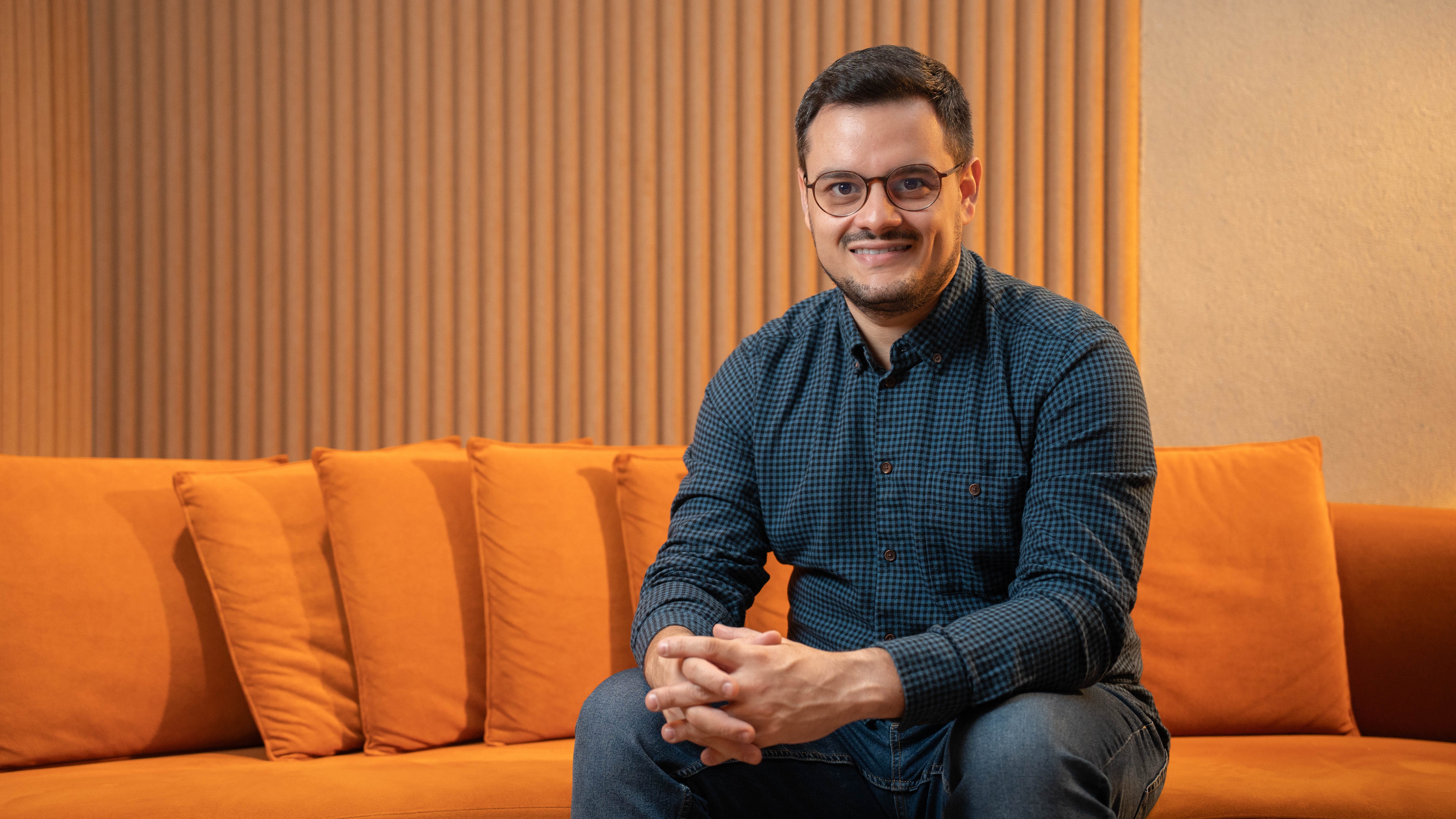
I am an entrepreneur with over 20 years of experience at the intersection of tourism and technology. I am co-founder and Chief Business Officer of VOLL, the largest mobile-first corporate travel and expense management platform in Latin America, where I lead the commercial strategy behind our AI adoption.
A first-cohort graduate of The AI-Powered Organization at Stanford Graduate School of Business and a Marketing specialist from Fundação Dom Cabral, I serve on the Tourism Council of FecomércioSP and on the Executive Council of the Latin American Association of Corporate Events and Travel Management (Alagev). I write and speak about innovation, digital transformation, entrepreneurial leadership, and the future of corporate travel.