


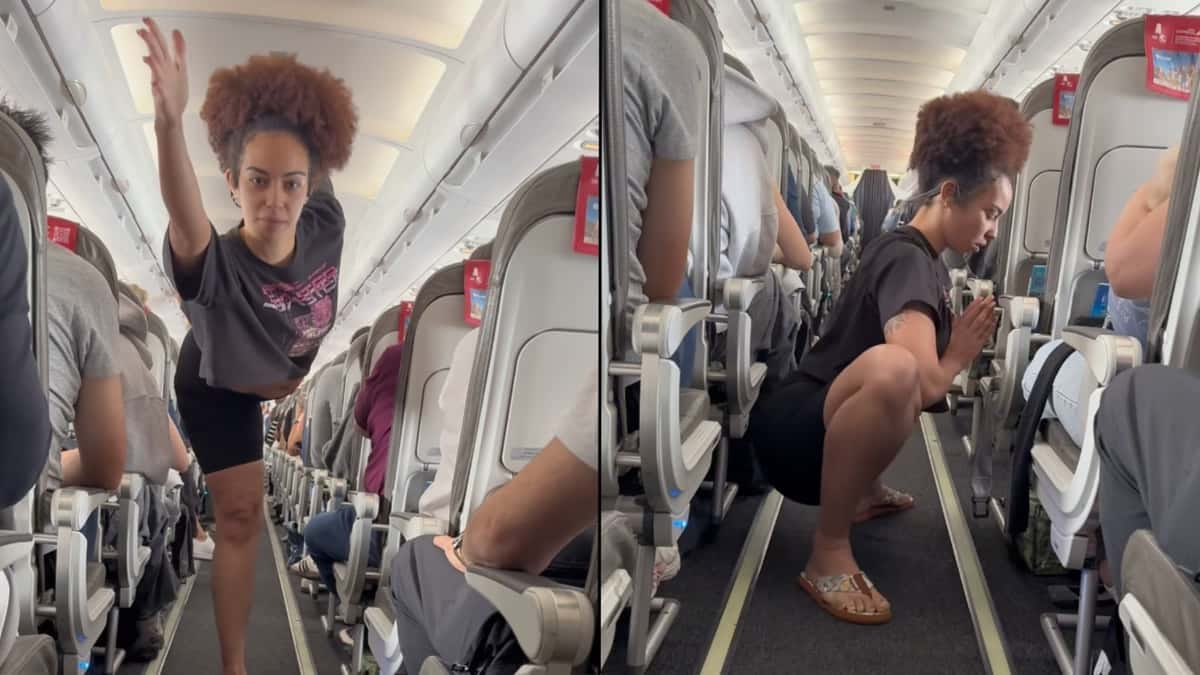
Every few months the industry rediscovers traveler wellbeing, and every few months it reaches for the same props. A meditation app. A sleep playlist. A stretching video you are supposed to follow in the aisle while a stranger climbs over you to reach the lavatory. I understand the impulse, and I have grown allergic to it, because it mistakes the gesture for the substance.
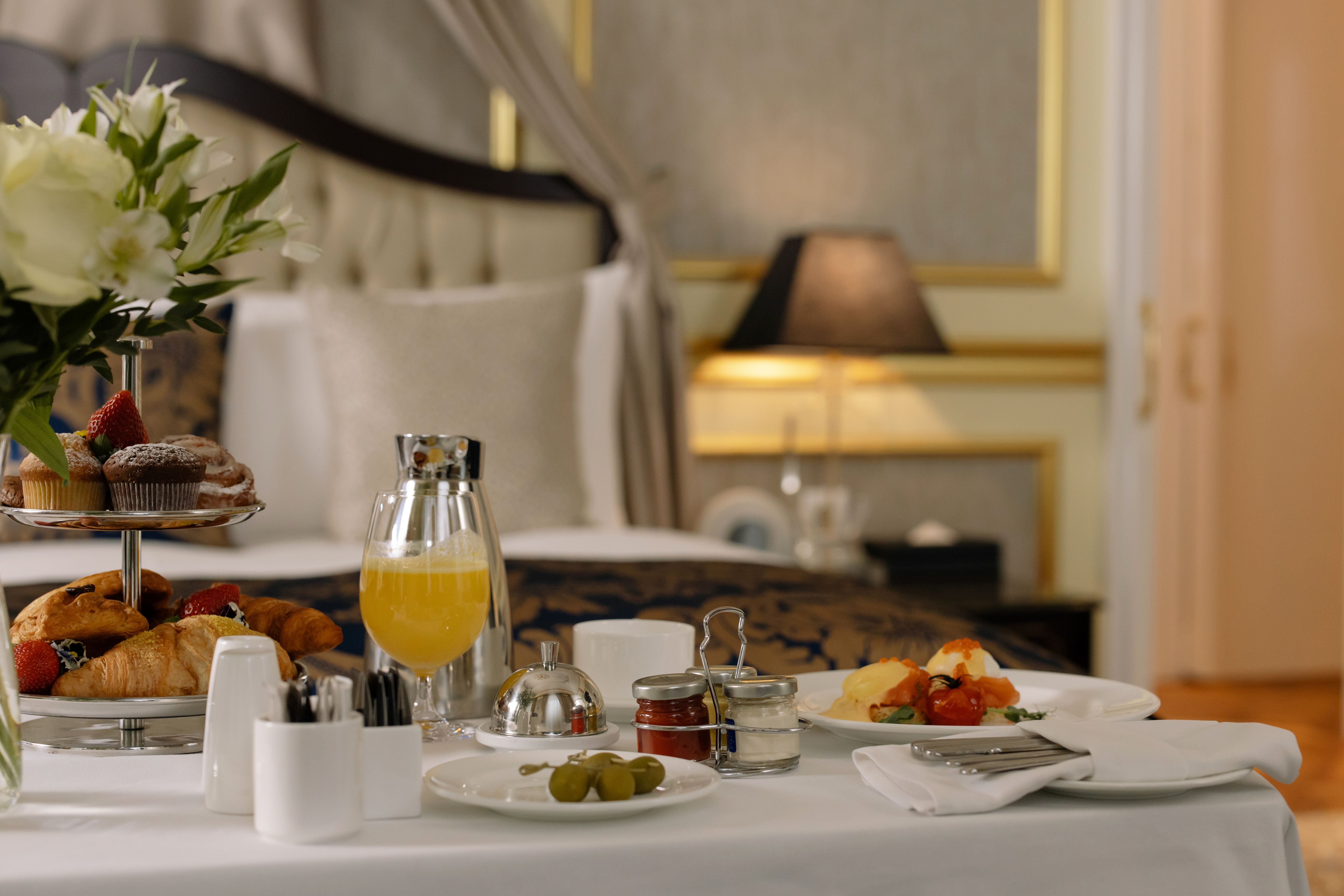
Real wellbeing on a business trip is quieter, less photogenic, and far more specific than any wellness campaign wants it to be. It does not look like yoga at thirty-nine thousand feet. It looks like a decaf coffee that a pregnant traveler can actually drink, a hotel room far enough from the elevator that a light sleeper survives the night, and a breakfast served early enough that someone with a real fitness routine can keep it before the first meeting.
I want to make the case for that unglamorous version, because it is the one that decides whether a trip helps a person perform or quietly wears them down. And I want to start by giving credit where an airline earned it, then argue that the airline is solving the easier half of the problem.
Qantas has built something genuinely thoughtful into its coming ultra-long-haul aircraft. Its Project Sunrise cabins include a purpose-built Wellbeing Zone, a physical space between cabins with sculpted panels and integrated handholds for stretching, a hydration station, and guided on-screen movement, alongside cabin lighting tuned to the traveler’s body clock using circadian research from the University of Sydney, and meals timed to scientifically chosen windows to help people sleep and arrive functional.
That is real engineering aimed at a real problem, and I applaud it. It is also, tellingly, the part of wellbeing that a company with a large budget can manufacture. The harder part cannot be installed. It lives in the maddening specificity of what each individual human being needs to feel like themselves on the road.
Wellbeing on a trip is a stack of small, stubbornly personal needs
Here is the truth that wellness marketing keeps flattening. There is no average traveler, and so there is no average need. What restores one person exhausts another, and the details are not interchangeable.
Think about the range hiding inside a single flight manifest. One passenger keeps a fitness routine as disciplined as a religious observance, and the entire quality of their trip turns on whether the hotel gym opens early and breakfast is served in time to eat before a seven o’clock call. Another has a dietary restriction that is not a preference but a medical necessity, and a kitchen that treats it casually can ruin a day or send them to an emergency room. A third is a light sleeper who has learned to request a room far from the elevator and the ice machine, because a single night of interrupted sleep costs them the next morning’s clarity. A fourth lives entirely inside back-to-back video calls and needs nothing on earth so much as internet that does not stutter. A fifth simply needs twenty minutes of quiet to decompress between the airport and the boardroom, a place to read that is not a crowded gate.
None of these people wants a meditation app. They want their own particular need met without having to fight for it. The trains understood this before the airlines did. When a rail operator creates a quiet carriage where phone calls are not allowed and conversation stays low, it is not offering wellness. It is offering the specific, unglamorous relief of silence to the people who need it, and leaving everyone else alone. That is the model. Real accommodation is granular, and it starts by admitting that comfort is personal.
I learned this lesson early and from the ground floor, quite literally. For about four years, while I was in university, I worked the front desk of a hotel, checking guests in and out at the exact border between a person and their journey. What that desk taught me, more than anything a survey ever has, is that people arrive carrying invisible specifications. The businesswoman who quietly asked for a room on a higher floor near the elevator, for reasons she did not have to explain. The guest who needed the same corner table every morning because it was the only way the trip felt tolerable. You learn fast that hospitality is not a mood you project. It is the accuracy with which you meet a need you were paying attention enough to notice.
The numbers behind the exhaustion are worse than we admit
If this sounds soft, the data is not. Business travel takes a measurable toll, and the industry has been slow to say so out loud. In one study of business travelers, nearly half reported increased stress and burnout, a figure that climbed above fifty percent among those flying at least once every two months. The same research found travelers reporting exhaustion, homesickness, anxiety, and loneliness, with the youngest travelers the most exposed of all.
The part that should trouble every employer is the gap in support. In that survey, forty percent of travelers said their organization did not take their wellbeing seriously while they were on the road, and only around a quarter reported receiving regular check-ins from their company while traveling. Sit with the arithmetic of that. A company spends a fortune sending a person somewhere to do important work, then leaves them to absorb the physical and emotional cost of the trip alone, and acts surprised when performance dips or the best people quietly stop volunteering to go.
Wellbeing is not a benefit you add at the end. It is a condition of getting the work you sent them to do. The trip is the investment. The traveler’s state on arrival is the return.
Safety is part of the experience, and women carry more of it
There is one dimension of traveler wellbeing that the wellness conversation almost always skips, and it is not optional. For a large share of travelers, the first requirement of a good trip is simply to feel safe, and that requirement is not distributed equally.
The numbers are stark. In GBTA research, eighty-three percent of women reported a safety-related concern or incident during business travel in a single year. Those concerns are not abstract. Large majorities said safety shaped how they booked, choosing daytime flights and central hotels, changed what they did during downtime, and even affected their productivity on the trip itself. Women reported taking precautions that their male colleagues rarely think about, from staying only at trusted properties to sharing their itinerary with family and keeping in steady contact with the office.
And here is the institutional failure inside the data: while most women believed their company cared about their safety, only around eighteen percent of travel buyers reported having gender-specific safety policies in place. The concern is nearly universal. The formal response is rare.
For anyone designing a travel program, this reframes what experience even means. A beautifully appointed lounge does nothing for a traveler who does not feel safe getting from the airport to the hotel after dark. Safety is not a separate track from wellbeing. It is the foundation the rest of the experience stands on, and building it well is one of the most concrete, respectful things a company can do for the people it sends out into the world.
What buyers measure, and what slips through the cracks
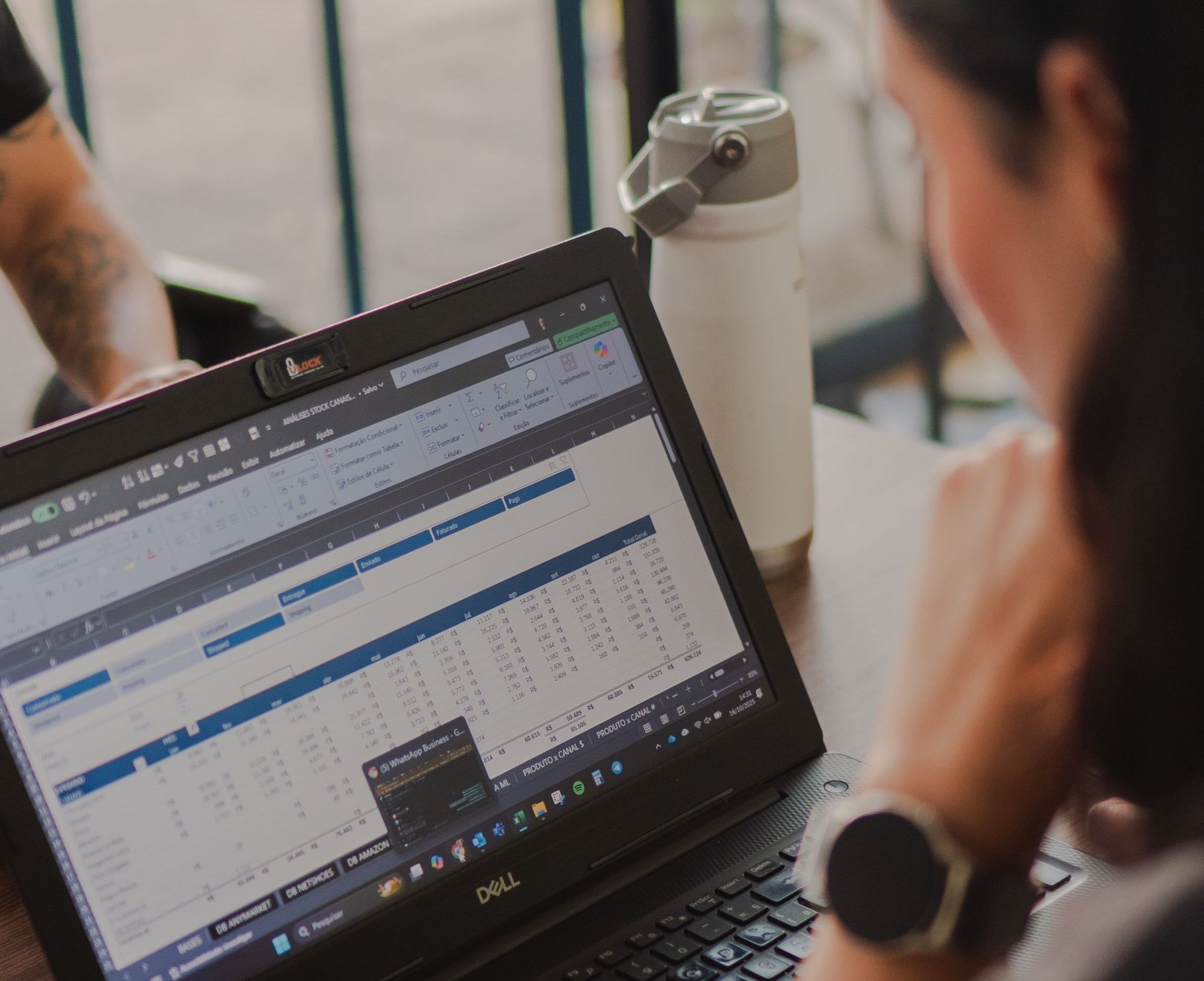
So why does so much of this go unaddressed? Look at what companies actually track when they plan travel, and the blind spot becomes obvious. In GBTA’s most recent quarterly read of the industry, when buyers named the forces shaping their travel planning, rising costs dominated the list at roughly seventy percent, while concerns tied to the traveler’s own willingness and experience registered in the single digits.
Read those two numbers together and you find the whole problem in miniature. The industry watches cost with a microscope and watches experience with a shrug. That imbalance feels responsible, because cost is easy to measure and experience is not, but it quietly undermines the very thing the cost discipline is supposed to protect. A program optimized only for the lowest fare, with no attention to whether the trip leaves the traveler functional, is optimizing for a number while losing the outcome. The cheapest trip that produces an exhausted, resentful, underperforming traveler is not cheap. It only looks that way on the line where the company happens to be looking.
The business case for treating experience as performance

I run a company on the corporate side of this industry, so I will declare the obvious interest before I make the argument. It would be convenient for me if experience mattered to the bottom line. It happens to be true regardless, and the evidence is getting harder to wave away.
When researchers measured business traveler satisfaction against operational quality, the programs that reduced friction saw the payoff show up directly in loyalty and retention, with satisfied travelers far likelier to stay and to recommend. The same pattern held for hotels, where the properties that removed friction were meaningfully more likely to retain their corporate customers and to be recommended onward. This is the quiet mechanism behind everything above. A trip that respects the traveler’s real needs produces a traveler who performs, stays, and speaks well of the program. A trip that grinds them down produces the opposite, and the cost of that shows up later, in turnover and in the slow erosion of a company’s willingness to travel at all.
It is the same lesson I keep drawing about hospitality from a different angle, that the human details are where the value actually lives, and that a program which manages only what is easy to count will keep missing them.
The honest way to build technology for this, which is the work I do, is not to promise an app that makes wellbeing automatic. It is to give the people who design and run travel programs the visibility to see the individual traveler clearly, so that the pregnant traveler’s decaf, the light sleeper’s quiet room, and the safety-conscious traveler’s daytime flight stop depending on luck and start depending on design. The traveler was never asking for another app. They were asking to be seen.
What Qantas got right, and where the real work still is
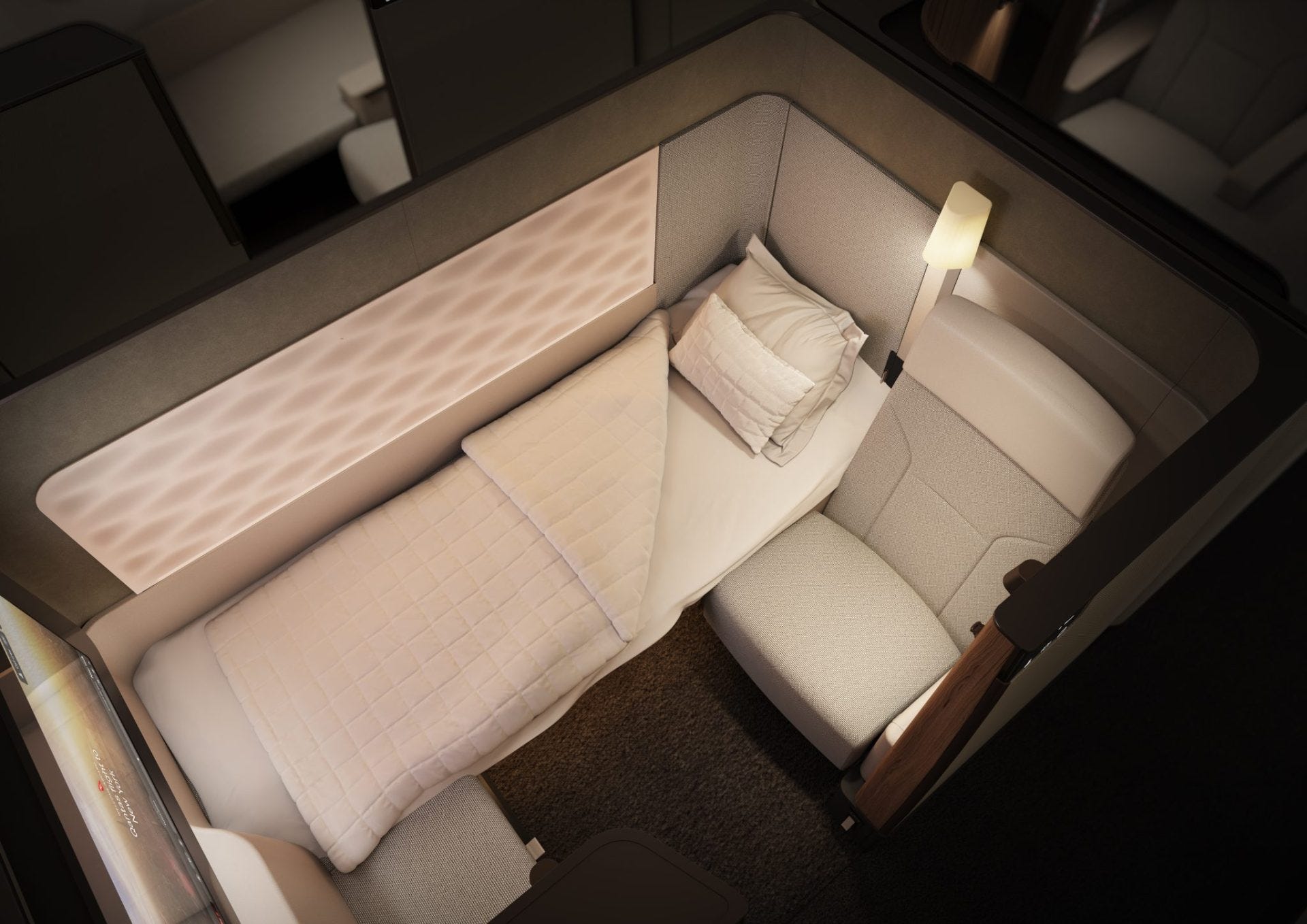
Which brings me back to that Wellbeing Zone, because I do not want to sound like I am dismissing it. Qantas deserves credit for treating the traveler’s body as part of the itinerary rather than an afterthought, and its investment in circadian lighting and movement space is a genuine advance in how the industry thinks about shrinking the felt toll of a long journey. If you are going to keep a person in a seat for twenty hours, engineering the cabin around their biology is exactly the right instinct.
The point is only that the zone is the visible ten percent. It is the part that photographs well and fits in a press release. The other ninety percent of a traveler’s wellbeing happens in a thousand unphotographable moments the airline does not control: the breakfast hour at the hotel, the distance of the room from the elevator, the reliability of the wifi on the twelfth video call of the trip, the kitchen that takes an allergy seriously, the ride from the airport that feels safe. Those are not solved by a beautiful space at altitude.
They are solved by paying relentless attention to the specific human being in front of you, which is harder, cheaper, and infinitely more valuable than any single amenity.
The part Latin America is well placed to lead
I will end close to home, and with optimism rather than apology. There is a temptation to treat all of this as a rich-market luxury, something the region gets to worry about once the basics are handled. I think that reads the situation exactly backward. The heart of traveler wellbeing is not expensive infrastructure. It is attentiveness, the willingness to notice and accommodate the specific person, and that is a strength our region already has in abundance. The warmth and improvisational care I grew up around in Brazilian hospitality is precisely the raw material this whole agenda is made of.
What is missing is not the instinct. It is the discipline to make that attentiveness systematic, to turn what a great receptionist knows and an algorithm does not into a program that delivers the same care whether or not that particular person is on shift. That is a solvable problem, and it is a genuinely exciting one, because it plays to what Latin American travel and hospitality do best. A region that already knows how to make a guest feel personally looked after has a head start on the one thing the rest of the industry keeps trying to buy and cannot.
The invitation is to build the systems that let that human gift scale, and to stop treating wellbeing as a wellness product when it was always, underneath, just the oldest idea in hospitality: pay attention to the person, and meet the need they actually have.
That is the whole thing. Not a mat in the aisle. A decaf that arrives without a fight, a quiet room, a safe ride, and someone who was paying enough attention to know it mattered.
About me

I am an entrepreneur with over 20 years of experience at the intersection of tourism and technology. I am co-founder and Chief Business Officer of VOLL, the largest mobile-first corporate travel and expense management platform in Latin America, where I lead the commercial strategy behind our AI adoption.
A first-cohort graduate of The AI-Powered Organization at Stanford Graduate School of Business and a Marketing specialist from Fundação Dom Cabral, I serve on the Tourism Council of FecomércioSP and on the Executive Council of the Latin American Association of Corporate Events and Travel Management (Alagev). I write and speak about innovation, digital transformation, entrepreneurial leadership, and the future of corporate travel.