


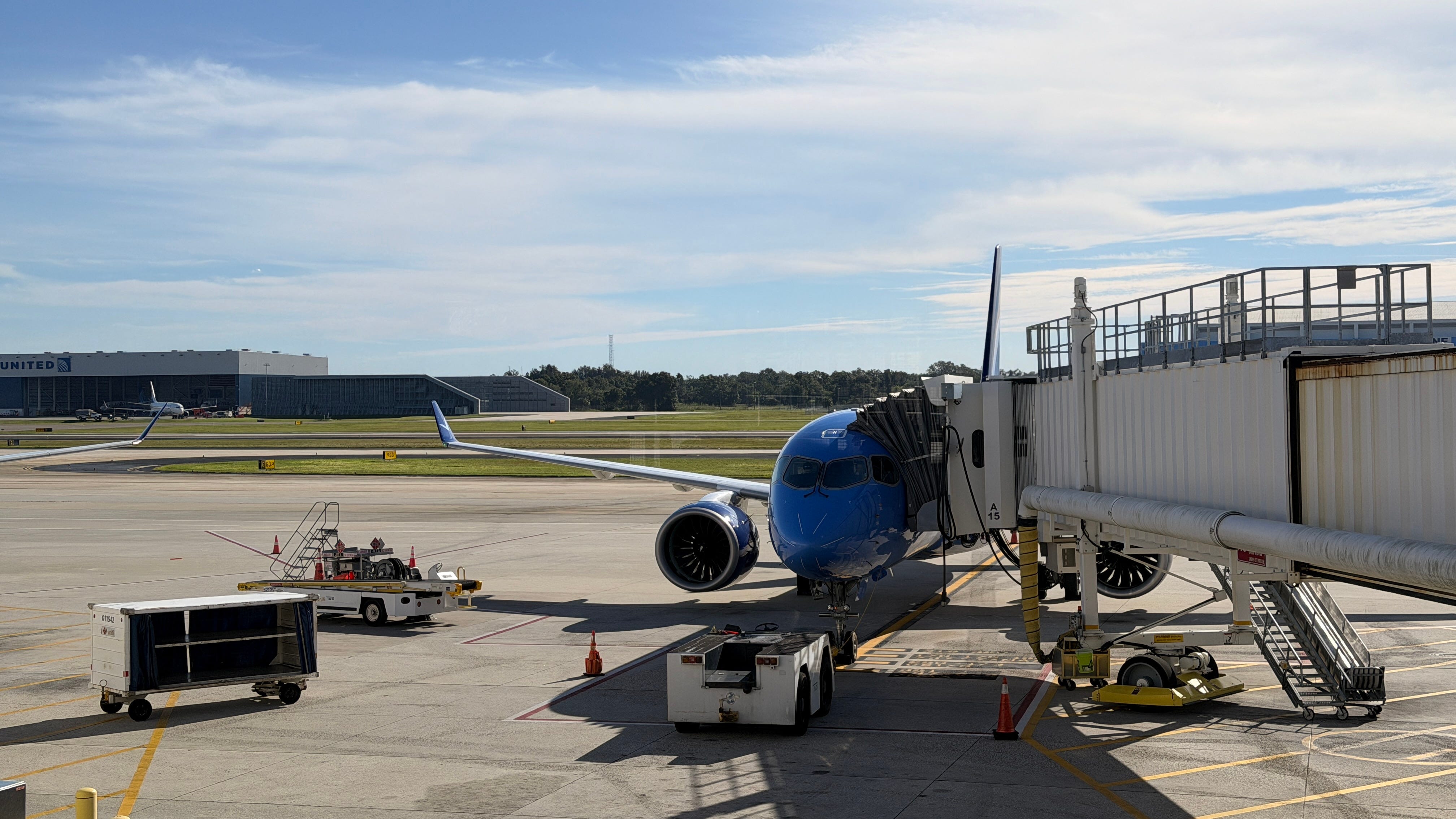
The captain did something on my flight that I have been thinking about ever since. Just before we pushed back, he came on and welcomed us by name as a group, thanked us for choosing to fly with him that afternoon, told us the weather in a voice that sounded genuinely glad we were there, and wished us a good rest of our day as if he meant it. It was a short hop, a small aircraft, a low fare. None of that is supposed to come with a captain who sounds happy to see you.
I was flying Breeze Airways for the first time, out of Tampa to Fort Lauderdale (a much too short flight to be honest), up front in a recliner I had paid almost nothing extra for, and I sat there grinning like the teenager I once was, the one who joined an online community just to say he loved the smell of airports. Some things about me have not changed, and I have stopped apologizing for them.
I travel to the United States constantly, several times a year, and I have never lost the small astonishment of watching how Americans fly. Here is the closest thing I can offer to a thesis, and I want to state it plainly before I earn it. In the United States, catching a flight has become about as dramatic as a Brazilian calling an Uber to a meeting downtown.
You do it without ceremony. You do it often. You barely think about it. That ordinariness is not a small thing. It is the visible surface of decades of investment in structure, and it is worth looking at closely, because the fluidity is the point.
A flight is not an event here, it is a Tuesday
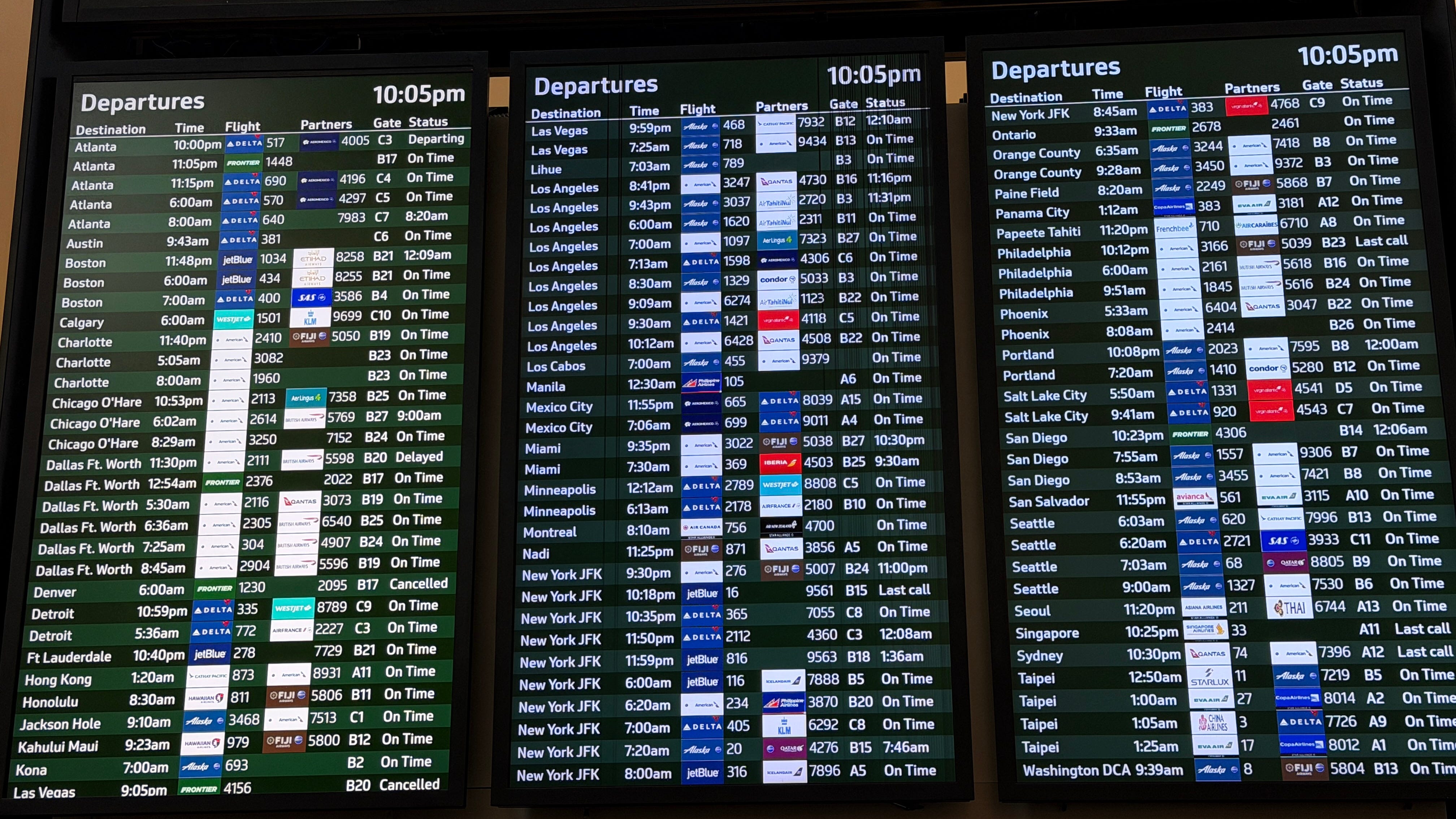
Start with the sheer volume, because it reframes everything else. Over a single holiday weekend this summer, the Transportation Security Administration expected to screen nearly 18.7 million air travelers around the Fourth of July, part of what has become a record-setting year at the checkpoints. On an ordinary day, the agency moves well over two million people through security, a rhythm you can watch in real time on its public passenger-volume tracker. Sit with that number. More than two million people, on a random Tuesday, treating a pressurized metal tube at forty thousand feet as a commuter option.
When a country moves that many people that routinely, flying stops being a special occasion and becomes a habit. The domestic map is dense and the felt distance keeps shrinking, the frequencies are high, and the fares, adjusted for how much Americans earn, are often startlingly reachable. A person in Denver deciding to see family in Chicago this weekend runs the same quick mental math a paulistano runs before ordering a car to Faria Lima. Cost, time, is it worth it, done. The airplane has been demoted, in the best possible way, from an event to an errand. That demotion is an achievement, not a loss, and it took an enormous amount of quiet machinery to pull off.
The part everyone used to dread is quietly disappearing
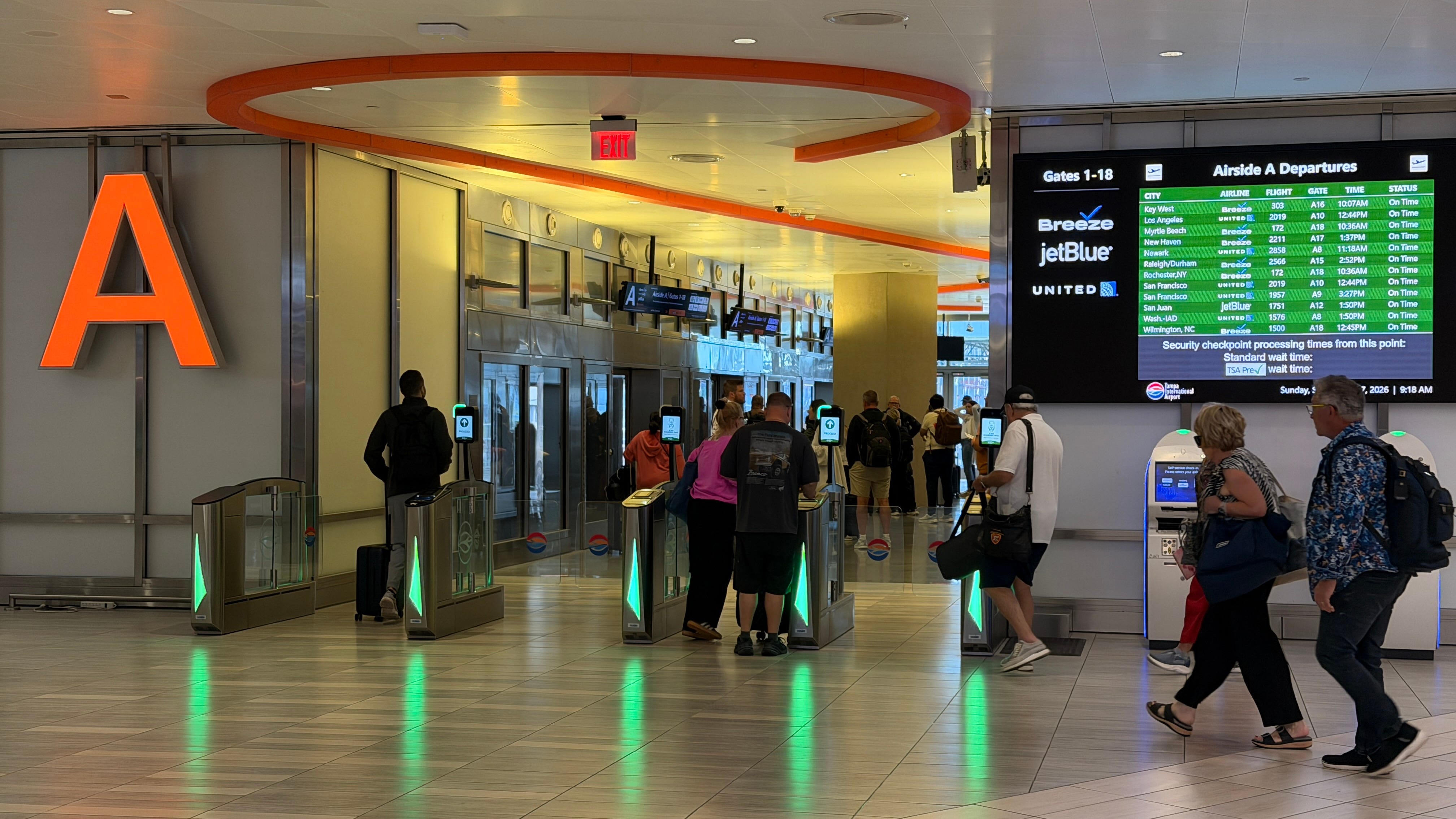
For most of my flying life, airport security was the tax you paid on the magic. You performed a strange public ritual of undressing, unpacking and repacking, shuffling in socks across a cold floor, holding your trousers up with one hand while balancing a laptop in the other. That ritual is ending in the United States, and it is ending fast.
In August, the TSA laid out a decade-long modernization plan it calls Horizon 25, and the traveler-facing pieces are already showing up at checkpoints. Three changes in particular are rewriting the choreography every flyer knows by heart.
The first is the computed tomography scanner, which builds a three-dimensional image of your carry-on and, in doing so, lets you leave your laptop and your liquids exactly where they are. No more archaeological dig at the conveyor belt.
The second is identity verification, where credential-authentication machines read your ID and confirm it against a live facial match, so the moment of proving who you are becomes a glance rather than a fumble for documents, with the facial step kept optional and the image deleted right after.
The third is the one that still makes me smile every time: the long-standing requirement to remove your shoes has been retired, a direct dividend of those better scanners. My source for the scale of this was a piece in Simple Flying about the size of the scanner rollout, and while I will let their reporting speak to the exact budget, the experience it describes is one I can already feel in the line.
The genius of it is how boring it feels from the inside. You walk up, you glance at a camera or hand over an ID, you keep your bag packed and your shoes on, and you are through. What used to be the most stressful ten minutes of a trip is becoming a non-event. That is what real infrastructure does when it works. It removes friction so completely that you forget the friction was ever there.
The terminal turned into a small, functional city
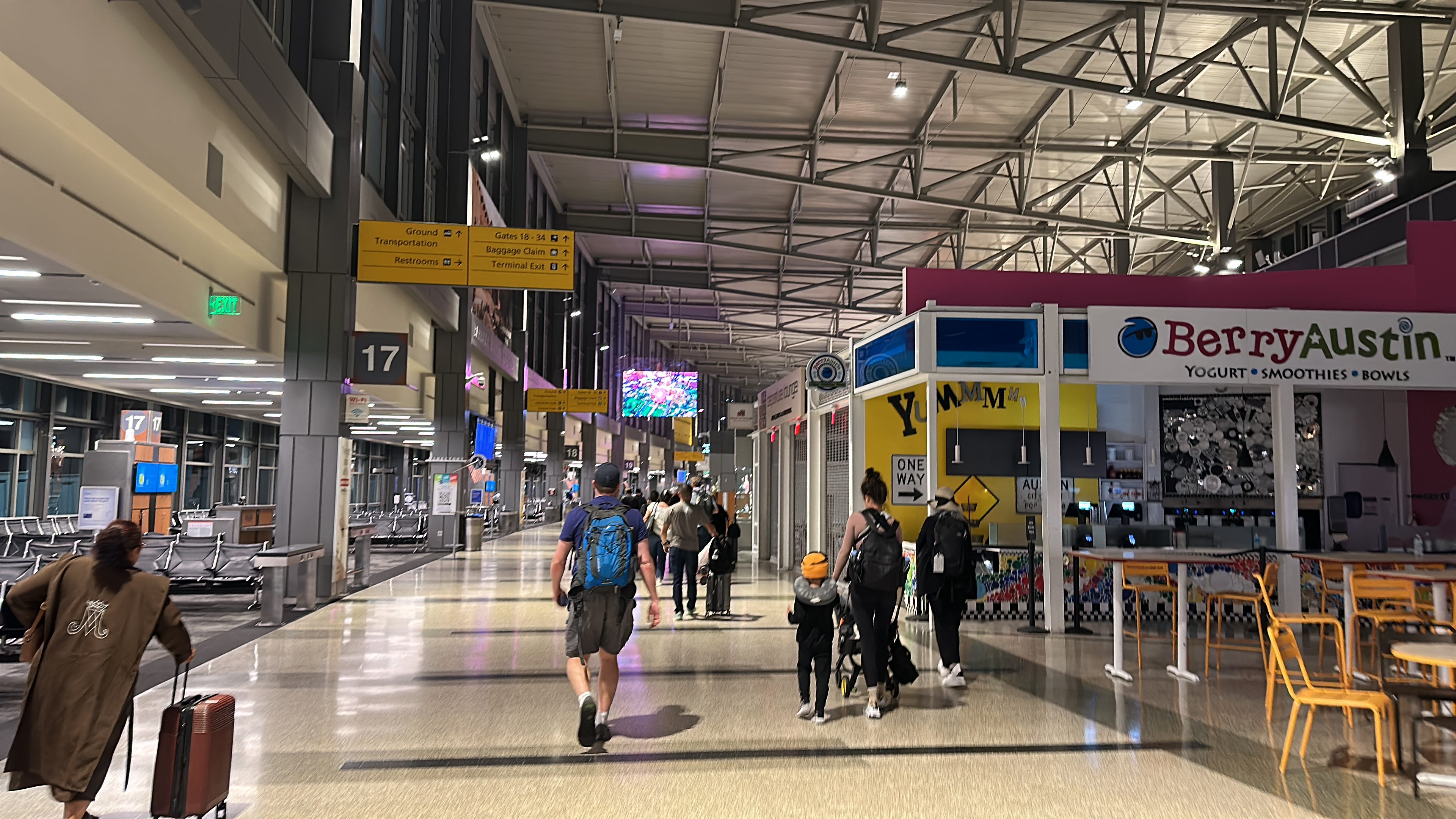
Once you are past security, the second surprise waits, and it is one of the reasons I never quite mind arriving early. The American terminal has quietly become a small city organized around the traveler’s actual day. It is no longer a waiting room with a newsstand. It is a place designed to absorb the many different reasons a human being might be passing through.
There are restaurants worth arriving hungry for, real ones, not only fast food. There are bars where a delayed passenger can turn a bad hour into a decent one. There are lounges, so many lounges that the industry now openly debates how to handle their popularity as demand outstrips the seats. There are quiet work spaces and phone booths and power at every seat, because someone understood that a business traveler between flights is still on the clock. There are private nap suites you can rent by the hour, family rooms, meditation spaces, and, in a growing number of terminals, decent grocery pickup so you can land at home with dinner already handled.
Each of these started as somebody noticing an unmet need and deciding it was worth solving. Airport design itself has become a serious discipline, with terminals reimagined around comfort, technology and the passenger experience rather than around the mere mechanics of boarding.
My favorite detail is the smallest one, and it tells you everything about the mindset. Walk through a major US airport and you will find dedicated pet relief areas, indoor and out, with fake fire hydrants and real drainage, so that a dog crossing the country with its family has somewhere to go. A system that remembers the dog is a system that has thought hard about the human. The terminal, at its best, stops being a place you endure between two points and becomes a place that quietly accommodates whatever you happen to be carrying, whether that is a laptop, a hangover, a toddler, or a nervous spaniel.
A cheap airline that still treats you like a guest
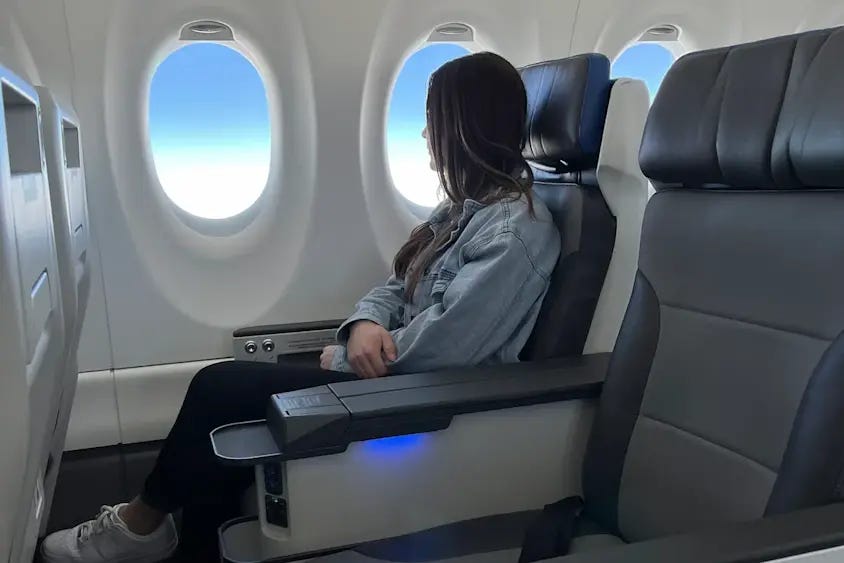
Which brings me back to that captain, and to what I think he represents. Breeze is a low-cost carrier, built by David Neeleman, the same restless founder behind JetBlue and, closer to my heart, Brazil’s own Azul. His whole career has been an argument that low fares and human warmth can share a cabin, and the airline he has built lately makes the case better than any pitch deck could.
The product I flew, which Breeze markets as its Ascent front cabin, is a genuinely comfortable recliner, the Safran seat measuring around twenty and a half inches wide with thirty-nine inches of pitch, with a calf rest, a footrest, and power in every flavor. On the top fare, nearly the entire menu comes complimentary, down to the Peet’s coffee. It is not a transcontinental business class, and it does not pretend to be. What it is, is proof that the floor has risen. The cheap option now includes dignity as standard equipment. When the most affordable seat on a short domestic hop still comes with a captain who greets you like a guest, the whole culture of flying has shifted under your feet, and it has shifted toward the passenger.
I keep coming back to the emotional register of it. I have spent my professional life on the corporate side of this industry, building the travel and expense platform I co-founded, where the job is to make trips work and to strip cost and friction out of them at scale. It would be easy for someone in my seat to see travel as pure logistics. The United States keeps reminding me why I fell in love with the machinery in the first place. Behind every efficient system there is supposed to be a person who feels looked after at the end of it. The efficiency is the means. The welcome is the point.
For Latin America, this is an ambition, not an apology
I want to be careful here, because it would be lazy to turn this into a lament about home, and it would also be wrong. Latin America is not behind in some permanent, characterological way. We are a region of enormous distances, spectacular geography, and some of the most resilient, creative aviation and hospitality professionals I have ever met. What the United States offers us is not a mirror to feel small in front of. It is a well-lit example of what sustained investment in the traveler’s experience can produce, and examples are useful precisely because they are reachable.
The lesson I take home comes down to compounding. None of what I described arrived in a single dramatic launch. It is the accumulated result of thousands of unglamorous decisions to reduce friction, to add a service, to trust technology at the checkpoint, to remember the dog.
Our region has already started walking this road, in airports that keep getting better and in a corporate travel sector that is maturing and growing quickly, a story I have told from my own corner of it more than once.
The invitation is to keep going, and to be impatient about it, because a fluid, dignified travel experience works as economic infrastructure. When moving a person from one city to another becomes as effortless as calling a car, more business gets done, more families reunite, and more of a continent gets to participate. That is worth building toward, and it is worth naming as an ambition rather than treating as someone else’s privilege.
Now boarding
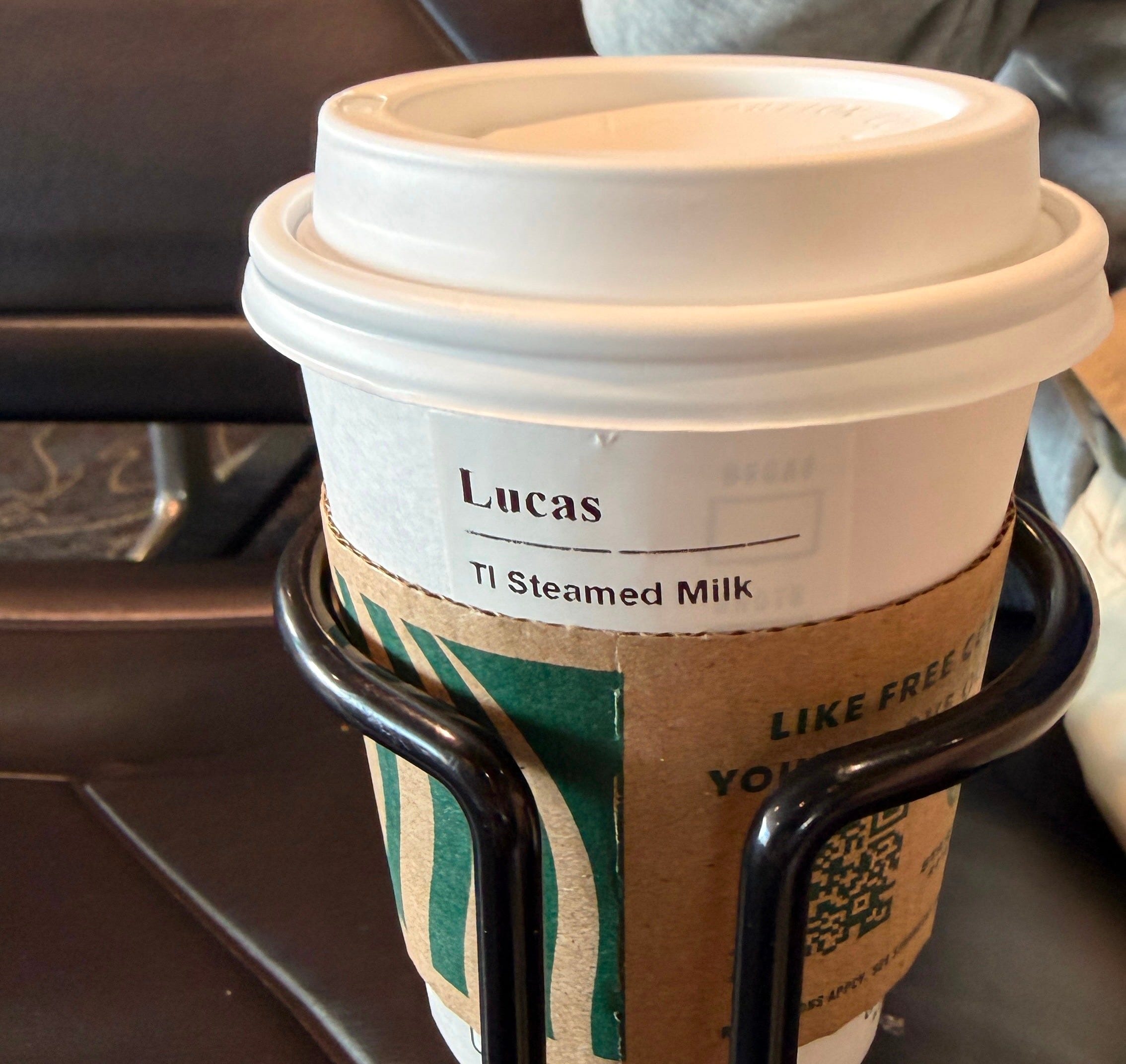
They called my group before I finished my coffee (with my name written on a cup as “Lucas”, because somehow “Luiz” is an uncommon spelling up here), which is the one flaw in an otherwise perfect system, and I gathered my things with the ordinary reluctance of a person who was, briefly, comfortable. Walking down the jet bridge, I caught the smell again, that mix of jet fuel and cold air that has meant possibility to me since I was a kid tracing borders on a library map. The captain was still there in my head, cheerful and unhurried, and I thought about how much invisible work stands behind a moment that felt so casual.
That is the whole magic of it. The United States has made flying feel like nothing special, and making something feel like nothing special is one of the hardest things a system can do. It requires the friction to be engineered out so thoroughly that the wonder can come back. The country will move more travelers this year than in any year before it, and the great majority of them will never once think about the checkpoint they passed through, which is precisely the measure of how well it now works. I got on the plane still a little astonished, which at this point in my life I take as a good sign.
If you work anywhere in this industry, on any side of it, you already know the feeling. The reward for all that machinery is a passenger who forgets the machinery entirely, and just enjoys the ride.
About me
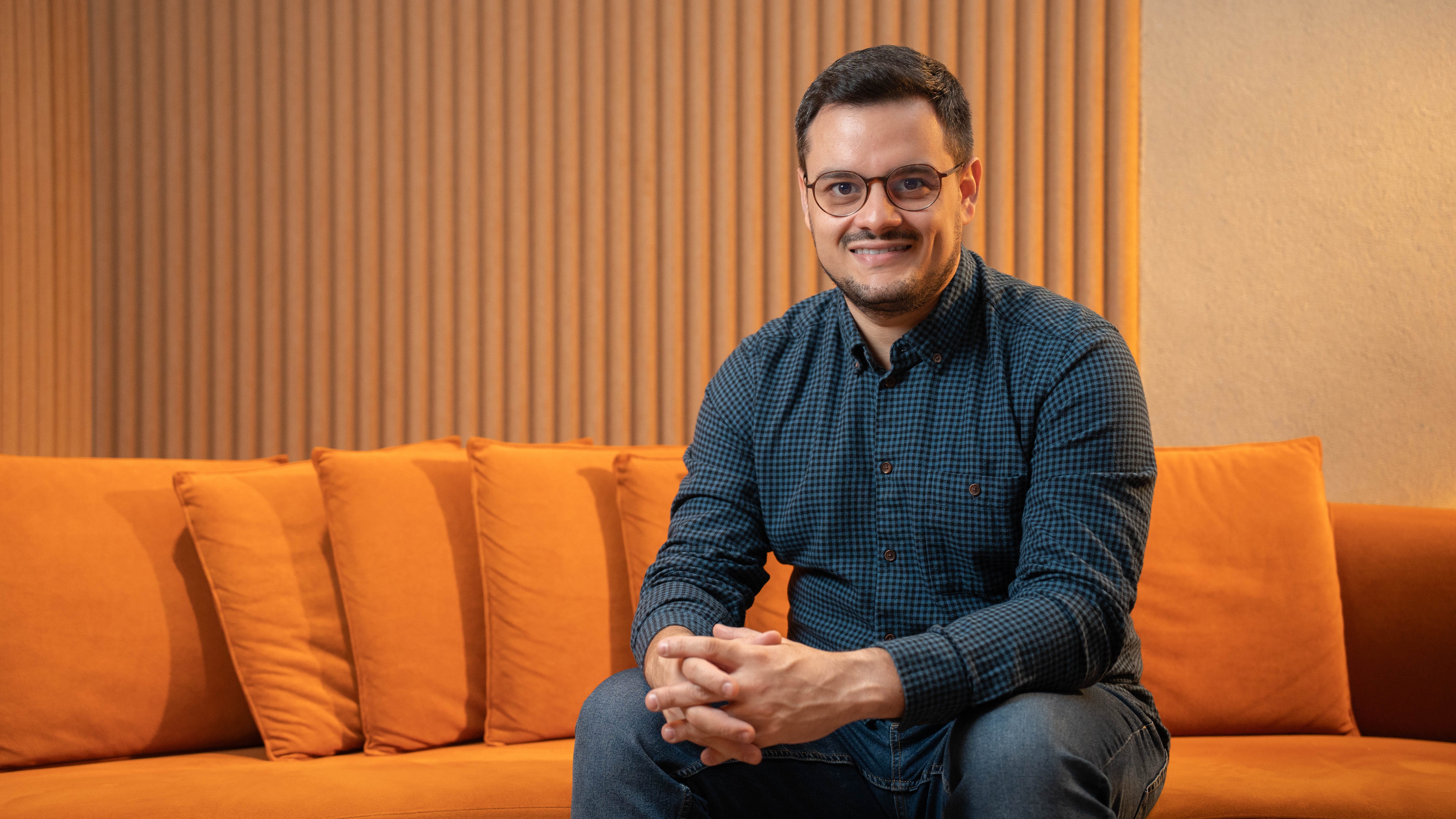
I am an entrepreneur with over 20 years of experience at the intersection of tourism and technology. I am co-founder and Chief Business Officer of VOLL, the largest mobile-first corporate travel and expense management platform in Latin America, where I lead the commercial strategy behind our AI adoption.
A first-cohort graduate of The AI-Powered Organization at Stanford Graduate School of Business and a Marketing specialist from Fundação Dom Cabral, I serve on the Tourism Council of FecomércioSP and on the Executive Council of the Latin American Association of Corporate Events and Travel Management (Alagev). I write and speak about innovation, digital transformation, entrepreneurial leadership, and the future of corporate travel.