The corner table with the best light
Notes on the small rituals that turn a stranger’s room into a home, from a frequent traveler who is, quietly, an introvert.

People who meet me at work tend to assume I am an extrovert. I run a company, I speak at events, I shake a lot of hands, and I do all of it gladly. So it surprises them when I say that I am, underneath the schedule, a fairly introverted person, someone who recharges in quiet and not in crowds.
I spend a large share of my life on the road, in the corporate travel world I have helped build for twenty years, and the road is a loud place. The way I survive it, and even come to love it, is by being almost ceremonial about the quiet I carve out of it. What follows is a small confession of those ceremonies, because I suspect I am not the only one who performs them.
It starts, for example, with how I choose a hotel, which is less romantic than it sounds. I pick by location, almost always the property closest to the office or the meeting, so that I lose as little of my life as possible to a car in traffic.
There is an irony in this that I have made peace with. I travel to wonderful cities and rarely see them, because the day runs long and the evening belongs to the commitment that brought me there. The hotel, then, is not where I tour. It is where I land.
And so the one thing I will not compromise on is the room itself, which I want as comfortable as the budget honestly allows, because the night is going to be short and it has one job, which is to give me back to the next morning in working order.
The arrival has a shape I never decided on and now cannot break. I open the door, turn on the lights, set the bag down, visit the bathroom, turn on the television for the company of a human voice, and before I have taken my shoes off I am already deciding what I will eat before sleeping. If I have landed early enough, I go out and let a nearby restaurant show me a sliver of the city I will otherwise miss, which is often the only tourism I get. If I have landed late, room service and something light, because I know the night ahead is counted in a handful of hours and a heavy meal would be a poor trade.
On the longer trips, the ones that run most of a week, the ritual grows into something more deliberate, almost tender. I settle in. I pull out the luggage rack and set the suitcase where I can actually reach into it, I fill the wardrobe, I hang the shirts, I line the toiletries along the bathroom counter in the order I use them.
The phone goes on the nightstand, because I am a person of 2026 and cannot pretend otherwise. The chargers find the outlets. The laptop goes square on the desk with the chair set so that my back will forgive me the next day. I check the wifi before I trust it. And here is the strange part, the part I have come to find beautiful rather than mechanical. This rite is almost identical in every hotel I have ever stayed in, across cities and countries and star ratings, and yet it works every time.
When you are a business traveler, this is what happens: you take a room that belongs to no one and, in fifteen quiet minutes, you make it briefly yours. The real gift of hospitality, I have decided, is exactly this permission to build a home where the walls keep changing, and the odd comfort of walking into a place you have never seen and feeling, somehow, that you have been here before.
Then there is the alarm, which goes off at four thirty. I know how that sounds. But that early hour, before the world wants anything from me, is almost entirely mine, and I give it to the gym. This is not discipline for its own sake, or not only that. A well-equipped gym is a genuine item on my hotel checklist, as real as the location, because keeping the training steady is how I keep myself steady when everything else about the week is improvised. My body (and mind; if you know it, you know it) gets its hour first. Everything else can wait in line behind it.
And after the shower comes the part I protect most jealously, which is breakfast. I give it close to an hour, which strikes most people as extravagant for a meal eaten alone, and that is because for me it is not really a meal. It is a rite of initiation into the day. The four thirty workout is solitary and internal, a conversation with myself. Breakfast is where I reconnect with the world on my own terms, slowly, before the meetings claim me.
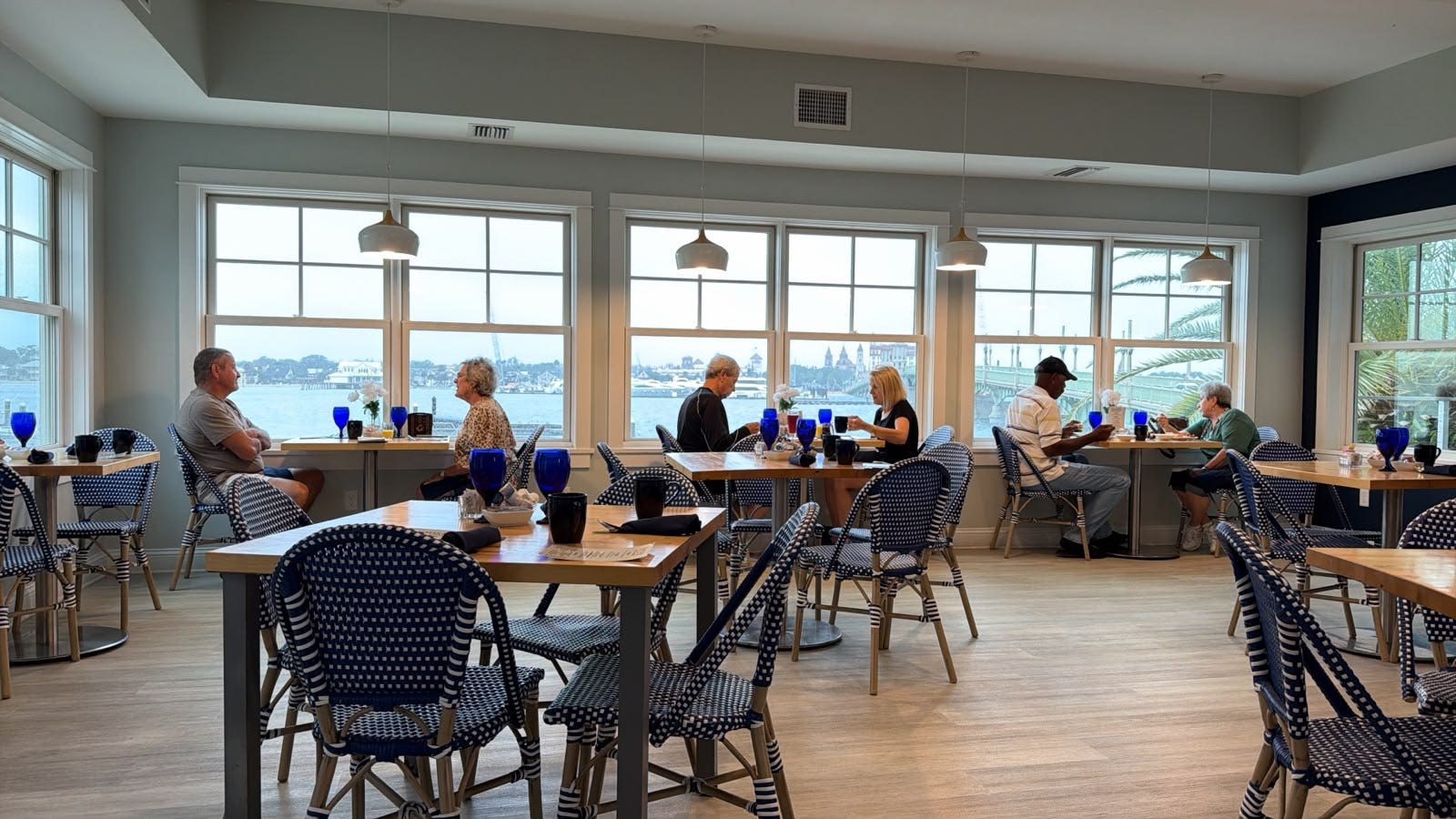
I start to hear things again, the clink and murmur of a dining room, other guests half awake, the staff moving with that practiced early quiet, and past the window the cars, the birds, the particular light of a city I am only passing through.
I choose the table with method and a little creativity, because the best one is usually tucked into a corner, set slightly apart, with the least traffic around it and the most generous light falling on it. From there I can settle in and receive the day rather than be ambushed by it.
I eat simply, whatever the buffet honestly offers. And I am particular about the coffee, which I will blame on geography, since I live in São Paulo, in the coffee state of a coffee country, and a person has to keep some standards.
I am aware, writing this, that I sound like a man who has turned a business trip into a monastery, and there may be something to that. But I take a small comfort in knowing the instinct is widespread, even if the ritual is private.
There is research, from a Hyatt study of business travelers, finding that close to nine in ten of us say the hotel room is the only place on a trip where we feel truly off the clock. I recognize the feeling completely, though I would amend it slightly for my own case.
My off-the-clock place is not the room, which is mostly for sleeping and nesting. It is the corner table, in that first unhurried hour, with the good light and the decent coffee. That is where I am most myself on the road, which is to say most alone and least lonely.
I have thought about why these rituals matter so much to me, and I think it comes down to a kind of accounting. The working day asks me to be the extroverted version of myself, present and warm and switched on, and I am happy to pay that, because I love the work and the people in it. But it is a withdrawal, not a deposit, and a week of it will empty an introvert completely if nothing refills the account.
The rituals are the deposits. The solitary hour in the gym, the slow breakfast at the corner table, the fifteen minutes of making a room mine, each one puts a little back. None of them is dramatic, and that is rather the point. They are small and repeatable precisely so that I can perform them anywhere, in any city, on any morning, without needing the trip to cooperate. A good routine is portable in a way a good view is not.
One more habit, and then I will let you go. I rarely stay in the same hotel twice, even in cities I visit often, and the reason is pure curiosity. I like to see how a different house does it, how its service holds up, how its spaces are arranged, what it has decided to care about and what it has let slide.
It is partly professional, the same instinct that makes me notice what a great front desk understands that no algorithm has yet replaced, and partly just the pleasure of a new room to make briefly mine. I have written before, in a more sentimental mood, about how a departure lounge has always felt to me like the safest place I know, and this is the same affection pointed at a different corner of the journey.
The airport is the promise. The breakfast table is the arrival.
So that is the confession. An introvert who has made his living in motion, and who survives the motion by guarding a handful of small, portable rituals: the room made briefly his, the early hour given to the body, the long slow breakfast at the corner table, the good coffee, the quiet before the noise.
None of it would photograph well. All of it is the difference between a trip that empties me and one that, improbably, fills me back up. People ask how I keep doing it, all these years, all these rooms. The honest answer is that I have learned to carry a home with me and set it up wherever I land, knowing I will take it apart again in a few days. The comfort and coziness of a home, which, unfortunately or fortunately, has simply become plural on the road.
About me
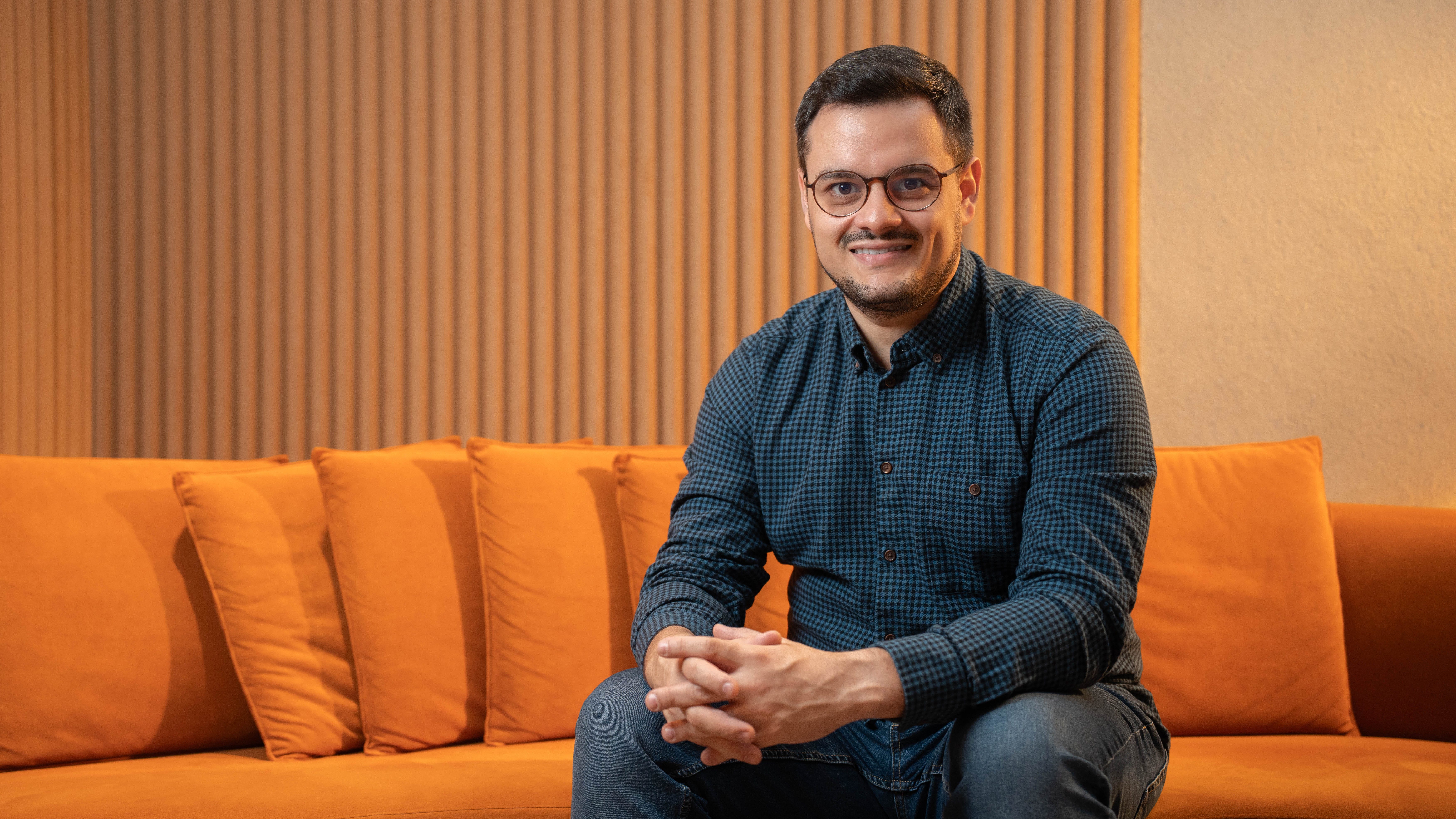
I am an entrepreneur with over 20 years of experience at the intersection of tourism and technology. I am co-founder and Chief Business Officer of VOLL, the largest mobile-first corporate travel and expense management platform in Latin America, where I lead the commercial strategy behind our AI adoption.
A first-cohort graduate of The AI-Powered Organization at Stanford Graduate School of Business and a Marketing specialist from Fundação Dom Cabral, I serve on the Tourism Council of FecomércioSP and on the Executive Council of the Latin American Association of Corporate Events and Travel Management (Alagev). I write and speak about innovation, digital transformation, entrepreneurial leadership, and the future of corporate travel.
Discussion about this post