The dinner party quietly collapsed. Travel is now selling it back to us
Fewer of us host, more of us live alone, and travel now sells the gathering back to us. A reflection from Latin America.

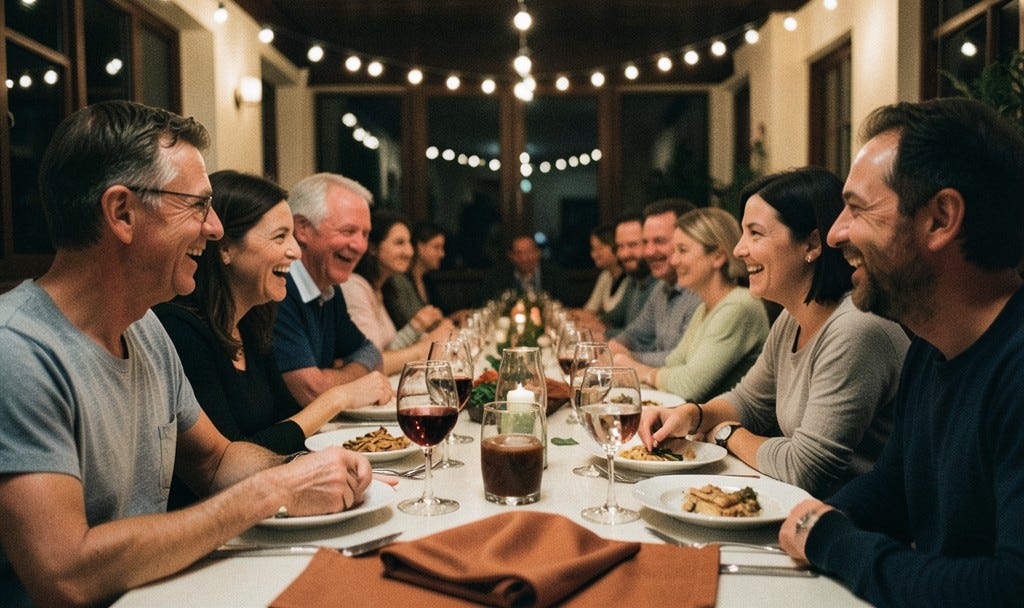
I read something this week that I have not been able to put down, and it is not about fares or loyalty points or the next mega-airport. It traces something much more ordinary, the slow disappearance of having people over. In a piece titled, with deliberate discomfort, we are outsourcing our social lives to travel, Skift laid out a quiet collapse in how often we gather, and then made an observation that has stayed with me since.
The industry I have spent my life in has noticed the hole in our social lives, and has begun, gently and profitably, to sell us a way to fill it. I found that both brilliant and a little sad, and I wanted to sit with why.
I spend an unusual amount of my life among strangers, in airports and hotels and meeting rooms, and I have always understood travel as one of the most human things we do. So a story about travel becoming the thing we buy because we have stopped making it ourselves lands close to home. The clever business model is only the surface here. What unsettles me is what it quietly says about us.
The dinner party quietly collapsed

Start with the numbers, because they are stark. Drawing on a Data for Progress survey that reaches back to the 1970s, Skift reports that the share of Americans who say they host friends or family at home at least once a month has fallen from 42 percent in 1975 to just 12 percent today.
In the same span, the share of American households made up of a single person climbed from 20 percent to 29 percent, and the portion of people who socialized at all on an average day slipped from 38 percent to 30 percent in just a decade. Read those together and a picture forms that most of us recognize without being told: we are home more, together less, and the casual gathering has become a rarity.
What I find most honest in the Skift framing is that it refuses the easy panic. A week hiking with strangers in Peru is not a cure for loneliness, and choosing to travel alone is not evidence that anyone is lonely. The dinner party matters here as a measurement, not a morality tale. It is a useful unit precisely because it is so much work. Someone has to invite everyone, line up the calendars, pick the night, choose the food, and give people a good enough reason to actually show up.
That coordination, the unglamorous labor of assembly, is the thing that has quietly become too heavy for many of us to carry. And anything that becomes too heavy to carry, eventually, someone offers to carry for you, for a price.
When belonging becomes a subscription
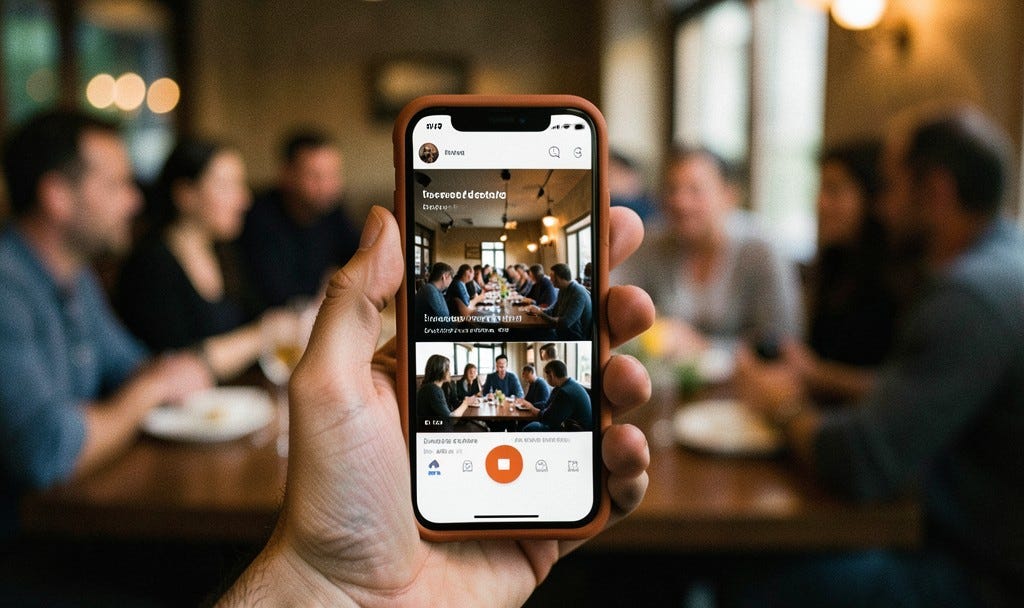
That is exactly what is happening, and the Skift piece names it with precision. A new class of travel company has stopped selling the meal, the bed, or the itinerary, and started selling the organizing itself, the work of getting humans into the same place at the same time. Timeleft seats strangers together at restaurant tables for a monthly fee and claims more than four million members across two hundred-odd cities. WeRoad, whose customers are overwhelmingly solo travelers, raised a large round led by Airbnb and has extended its group model into local events back home. Hostelworld now calls itself a social network with a booking engine attached, and sells a membership pass to people who do not book a single night of accommodation through it. Airbnb Experiences, Intrepid, Norwegian Cruise Line, all of them are leaning the same way.
I want to be careful not to sneer at this, because I do not think it is cynical. These companies have found a real ache and offered a real, if partial, salve. I have argued before that the traveler was never really asking for another app, they were asking to be accommodated as a person, and this is that same instinct wearing a new outfit. The striking part is only what it reveals. When the price of a trip is no longer the flight or the room but the company of other people, you are looking at a market that has quietly concluded that togetherness is now scarce enough to charge for. An earlier generation of these businesses, the eat-with-a-local startups of the last decade, mostly failed because a one-off dinner is hard to scale. The ones working now do something subtler. They build an ongoing social life in a city first, and then let the traveler walk into it. They are not selling a meal. They are selling a standing invitation, which is the precise thing our calendars stopped issuing.
This is not only an American story
It would be comfortable to read all of this as a North American problem, a quirk of a culture famous for its suburbs and its individualism. I do not have that comfort, and neither does my region. The loneliness underneath these numbers is now, by the most serious measure we have, a global condition. In June 2025 the World Health Organization’s Commission on Social Connection put a figure on it: roughly one in six people worldwide is affected by loneliness, and social disconnection is linked to an estimated 871,000 deaths a year, about a hundred every hour. When a health body reaches for language like that, it is no longer talking about a lifestyle trend.
And Brazil, for all our reputation as a warm and gregarious country, is not the exception I would like it to be. Our own census tells the structural half of the story. According to Brazil’s 2022 census, single-person households have risen to 18.9 percent of all homes, up from 12.2 percent in 2010, which means roughly one in five Brazilian households is now a person living alone. Among Brazilians over sixty, the share living alone reaches 28.7 percent. The feeling half of the story is sharper still.
A Market Analysis survey of a thousand Brazilians, reported by Latinoamérica 21, found that 35 percent say they feel lonely always or very often, that the weight falls hardest on the young and the poor, with some 45 percent of eighteen to twenty-four year olds reporting loneliness, and that most people blame the system rather than themselves. The country of the long lunch and the open kitchen is quietly living more alone, and feeling it.
I sit with that data differently than I sit with a fare trend. It is not a market to be captured. It is a mirror, and the reflection is one we share with the rest of the world rather than one we have escaped.
Why this one got under my skin
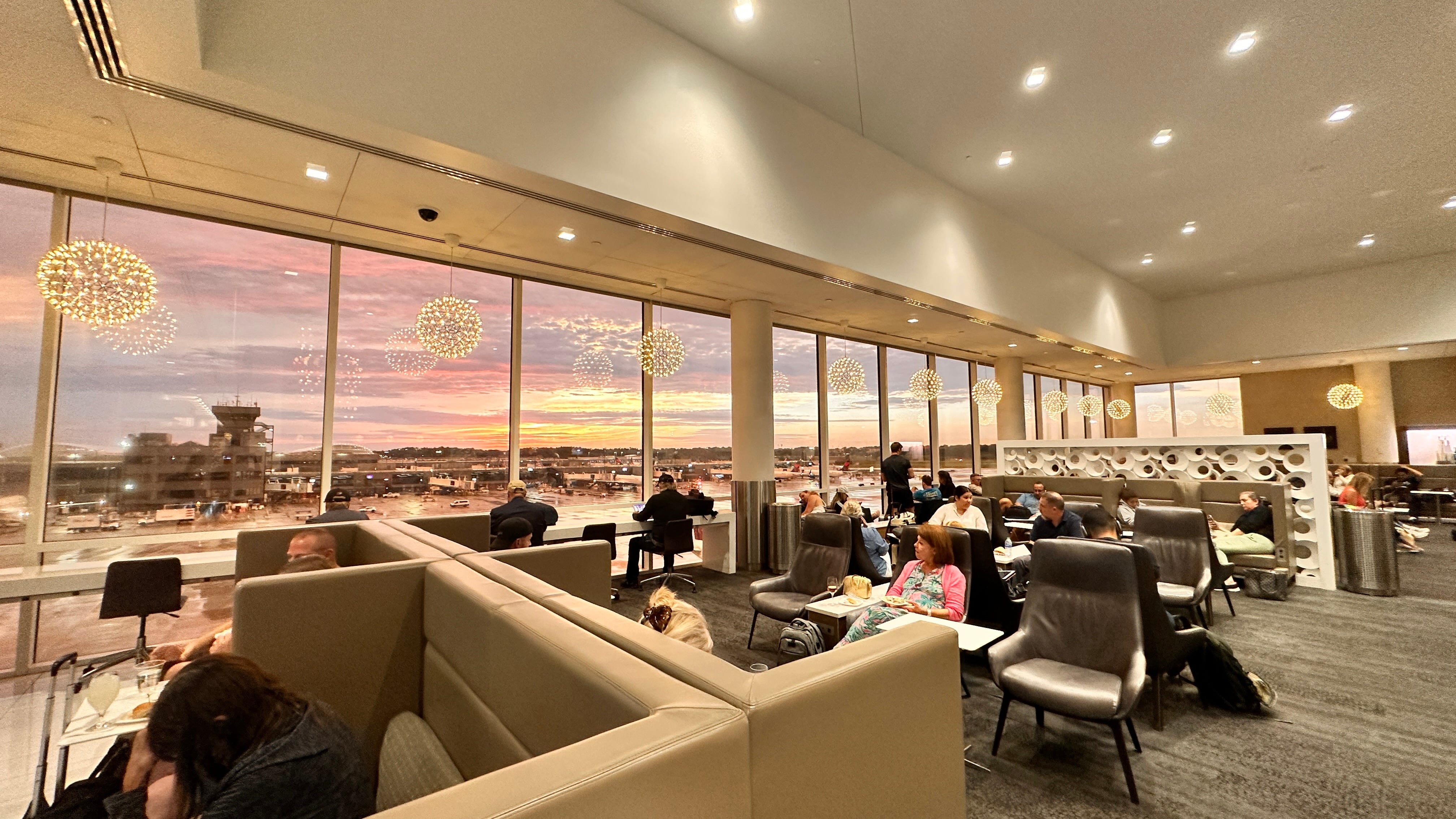
I should be honest about why this story reached me more than most. I am, under the executive schedule, a fairly introverted person, someone who recharges in quiet rather than in crowds. And yet the part of travel I love most has always been the human texture of it. I have written about how a departure lounge is, to me, one of the safest places in the world, and part of that affection is simply the people, the quiet company of strangers all suspended in the same in-between. My favorite ritual on the road is a slow hotel breakfast alone, where I am not really alone at all, because the room is full of other lives I get to watch and half-belong to.
So a world that is buying the feeling I get for free unsettles me, and moves me, in equal measure. I understand the impulse completely. When your own calendar has stopped producing reasons to be among people, paying a company to manufacture one is not weakness, it is adaptation. But I keep thinking that travel, at its best, was never supposed to be the substitute for connection. It was supposed to be the amplifier of it, the thing that took you toward other people rather than the thing you bought because they had drifted out of reach. The sadness in the Skift story, for me, is not that these companies exist. It is the quiet admission, underneath them, that for a lot of people the easiest place left to find company is a paid trip.
The last room that still fills up

Here is where my own corner of the industry comes in, and I will say plainly that I run a company on the corporate side of travel, so I am not a neutral narrator. I think the business trip is one of the last social rituals in modern life that still reliably forces people into the same room, and I have come to see that as more valuable, not less, in a world this scattered. For all the talk of video calls replacing the trip, the stubborn truth is that we still get on planes to be physically near one another, because something happens across a real table that does not happen across a screen.
That is not nostalgia, it is observation. The value in this business has always hidden in the structure underneath the obvious, and the structure the business trip quietly provides is human presence, the handshake, the hallway conversation, the dinner where the actual deal gets understood. In an era when the casual gathering is collapsing everywhere else, the corporate trip has become, almost by accident, a protected space for it, one of the few remaining institutions that still pays to put people in a room together on purpose. I do not think we have fully registered how precious that is, or how much care it deserves. If the rest of the world is now buying belonging by the week, the business that still delivers it as a side effect of its core purpose is sitting on something quietly important.
What this means for Latin America

I keep returning to my region, and here I allow myself some optimism. Latin America still carries, in its bones, a culture of gathering that much of the world is paying to rebuild. The churrasco that stretches into the evening, the Sunday lunch that no one formally organizes because it simply happens, the bar table that grows a chair at a time, these are not quaint traditions, they are exactly the social infrastructure the WHO is now urging the world to protect. We have it, and the data shows we are quietly letting it erode under the same pressures as everyone else.
That is the warning and the opportunity in the same breath, and it fits the stubborn hopefulness I keep returning to about why this region is an unusually good place to be building right now. We do not have to import the loneliness before we import the cure. A region that still knows, instinctively, how to assemble people has a head start no subscription can sell, if it chooses to defend that knowledge instead of trading it away for the convenience of staying home.
For the travel companies here, there is a real lesson in it too. The most valuable thing we move is not a traveler from one city to another. It is a person toward other people, and we should treat that as the actual product.
Travel as a bridge, not a vending machine
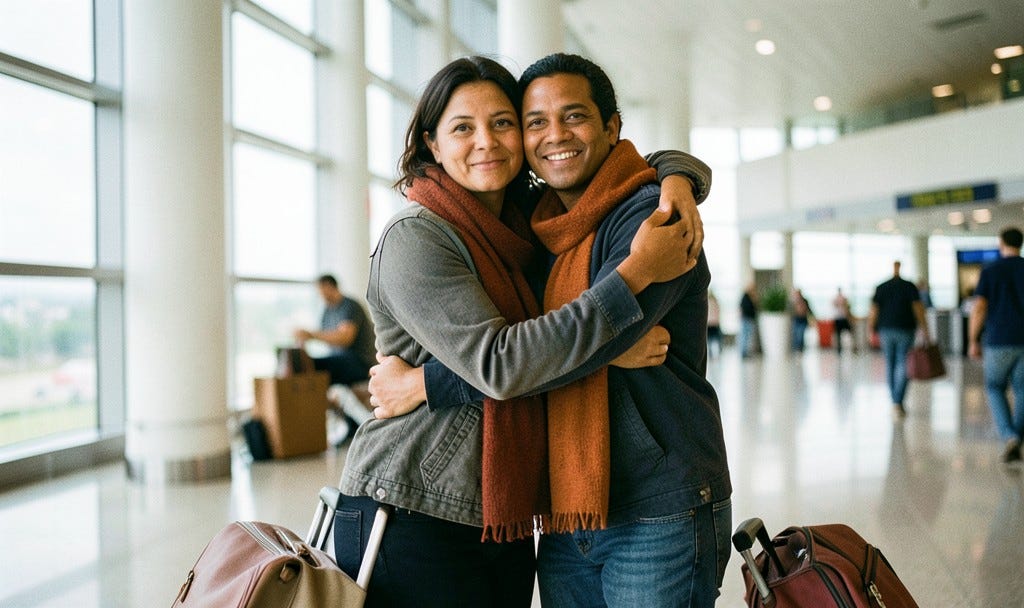
So I come out of this reflection moved, and oddly resolved. The companies selling organized togetherness are not villains, and I may well use one someday in a city where I know no one. But I do not want travel to become the vending machine for company that the loneliest version of this future implies. I want it to stay what it has always been for me, a bridge toward other people, the thing that carries you into a room full of strangers who briefly become something more.
The ache the Skift piece describes is real, and the numbers behind it, from Washington to São Paulo, are not going to reverse on their own. But travel sits in a strange and lucky position in all of this. Of all the industries in the world, it is one of the very few whose entire purpose is to close distance between human beings, and that is the one thing travelers have never actually been willing to give up. We can sell that cheaply, as a monthly fee for a seat at a table of strangers, or we can honor it, as the oldest and best reason anyone ever left home. I know which version of this business I want to help build, and it is the one that remembers travel was always, underneath everything, about getting back to each other.
About me
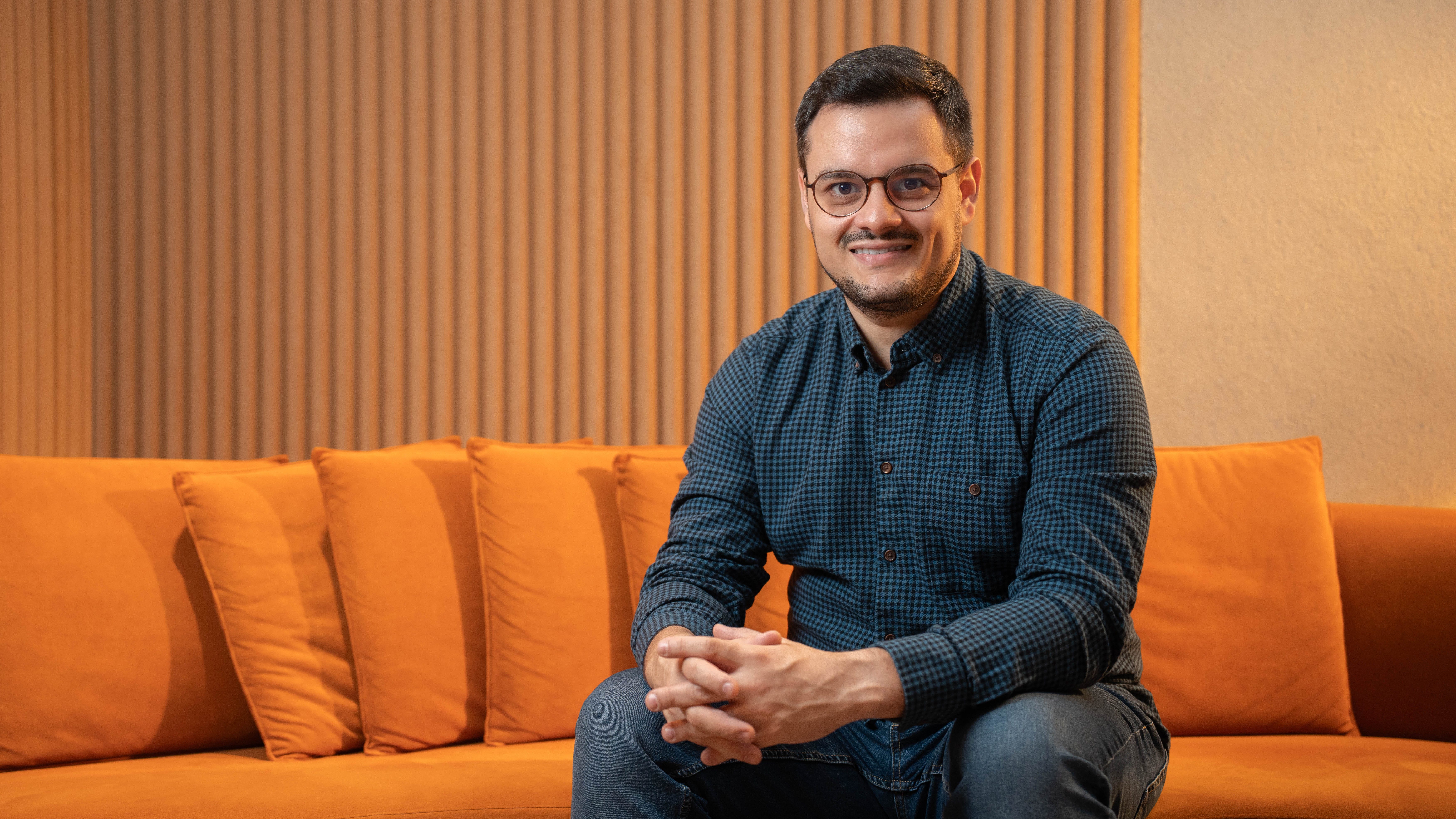
I am an entrepreneur with over 20 years of experience at the intersection of tourism and technology. I am co-founder and Chief Business Officer of VOLL, the largest mobile-first corporate travel and expense management platform in Latin America, where I lead the commercial strategy behind our AI adoption.
A first-cohort graduate of The AI-Powered Organization at Stanford Graduate School of Business and a Marketing specialist from Fundação Dom Cabral, I serve on the Tourism Council of FecomércioSP and on the Executive Council of the Latin American Association of Corporate Events and Travel Management (Alagev). I write and speak about innovation, digital transformation, entrepreneurial leadership, and the future of corporate travel.
Discussion about this post