


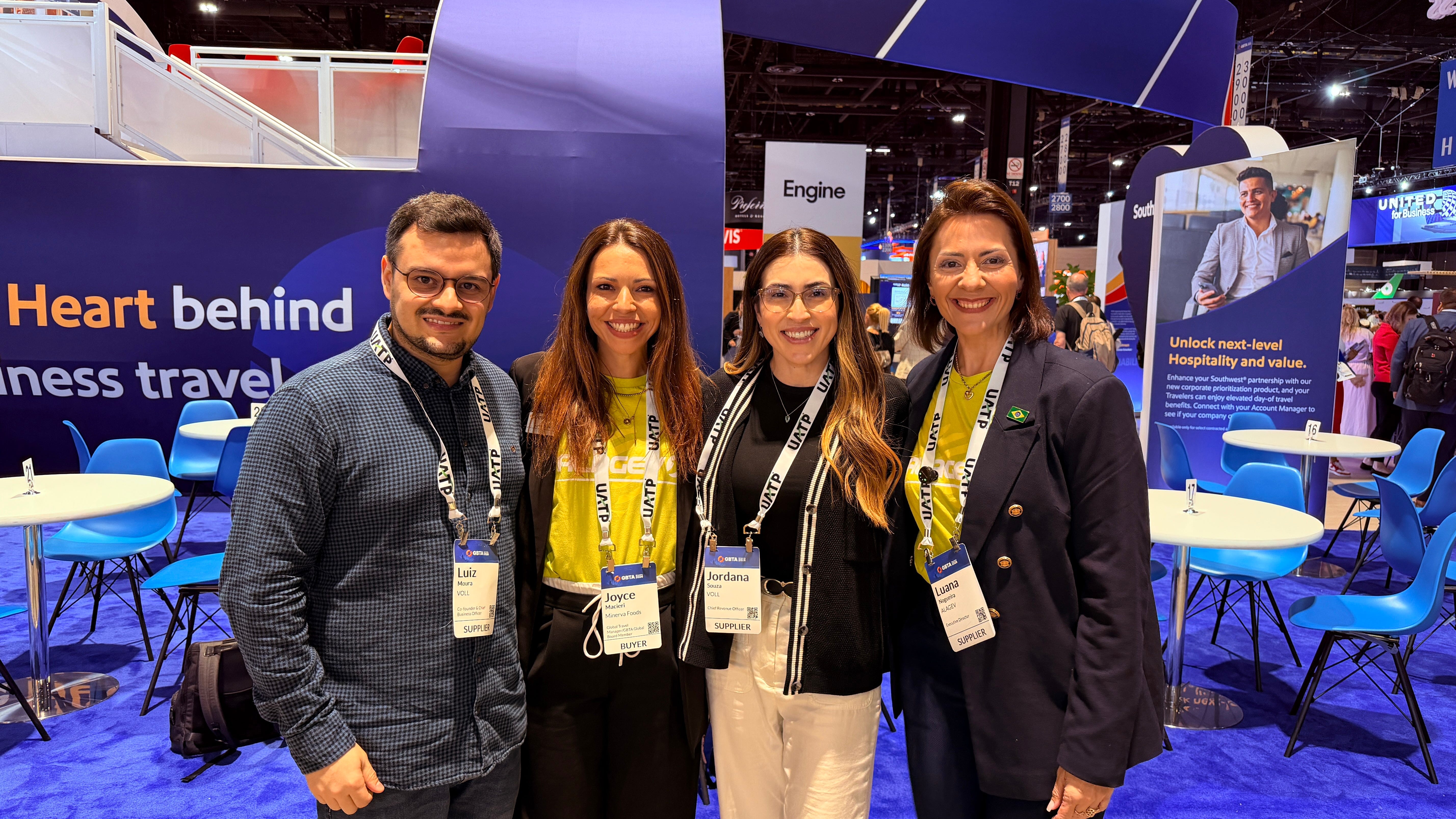
Not a lobbying operation
Most people outside Latin America, when they hear “industry association,” picture a lobbying vehicle. An organization funded by suppliers, arguing supplier positions to regulators, occasionally hosting a conference where the sponsors outnumber the buyers.
Alagev, the Latin American Association for Corporate Travel and Events Management, is built on a different premise, and the difference is structural rather than rhetorical. Founded in 2003, it is a nonprofit that deliberately puts corporate travel managers and their suppliers inside the same room, on the same footing, as a single membership rather than two constituencies with opposing interests. Membership is free for travel and event managers, which is not a marketing gesture. It is the mechanism that keeps the buyer side of the room from being priced out of it.
I sit on Alagev’s board, and I serve on its technology and innovation committee. I want to be direct about that bias before going further, because everything below is written by someone with a stake in the organization succeeding. What follows is still worth writing, because the thing Alagev turned out to be best at is something almost no one outside Brazil realizes exists.
The unglamorous work that turned out to matter most
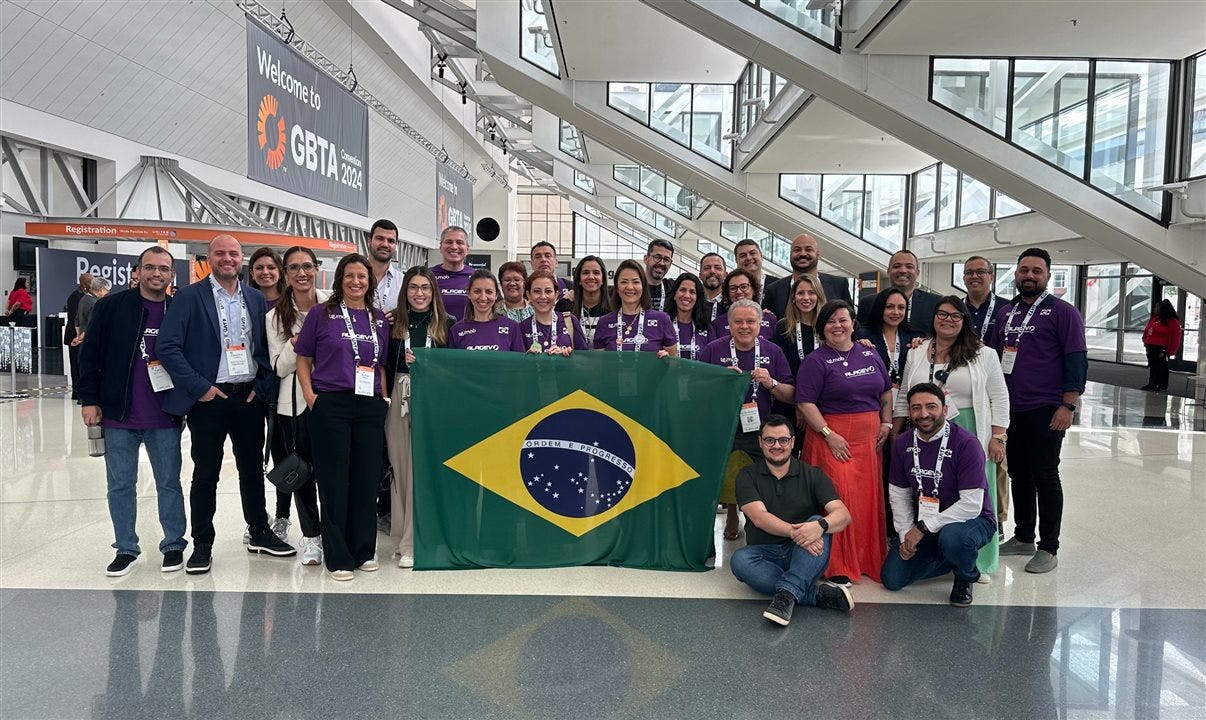
Trade associations usually measure themselves by events, memberships, and the occasional policy win. The most consequential thing Alagev does is considerably less exciting than any of that.
In partnership with FecomercioSP, the São Paulo state federation of commerce and services, the association produces the LVC, a monthly survey measuring what Brazilian companies actually spend on business travel. Not a projection, not a sentiment index. Actual monthly spend across airfare, lodging, vehicle rental and ground transport.
That series now runs long enough to say things nobody could say about this market a decade ago. Brazilian corporate travel closed 2025 at 147.8 billion reais, the largest figure in the sector’s history, up 6.3 percent on the prior year. January 2026 came in at 12 billion reais, a record for a month that is traditionally the industry’s quietest. March reached 18.2 billion, putting the first quarter near 48 billion. By the end of May, the year had accumulated close to 85 billion reais, up 6.2 percent against the same stretch of 2025.
A market that cannot measure itself cannot be taken seriously by the people who allocate capital to it. That is the practical function the LVC serves, and it is why I think the data work matters more than anything else the association does.
Two numbers that do not agree, and why that is fine
There is a wrinkle worth being honest about, since it comes up whenever someone tries to size this market.
The LVC measures domestic spend on travel services, in reais, month by month. A separate global measure, the Business Travel Index produced by the GBTA, sizes Brazil differently: it projected the Brazilian market at 35.8 billion dollars for 2026, roughly 183 billion reais, ranking Brazil among the world’s ten largest corporate travel markets, with growth of 13.8 percent. That figure was presented at the opening of the GBTA convention in Chicago this year, and it made Brazil the fastest-growing market among the world’s fifteen largest, ahead of Japan at 10 percent and both the United States and Germany at 6.7 percent.
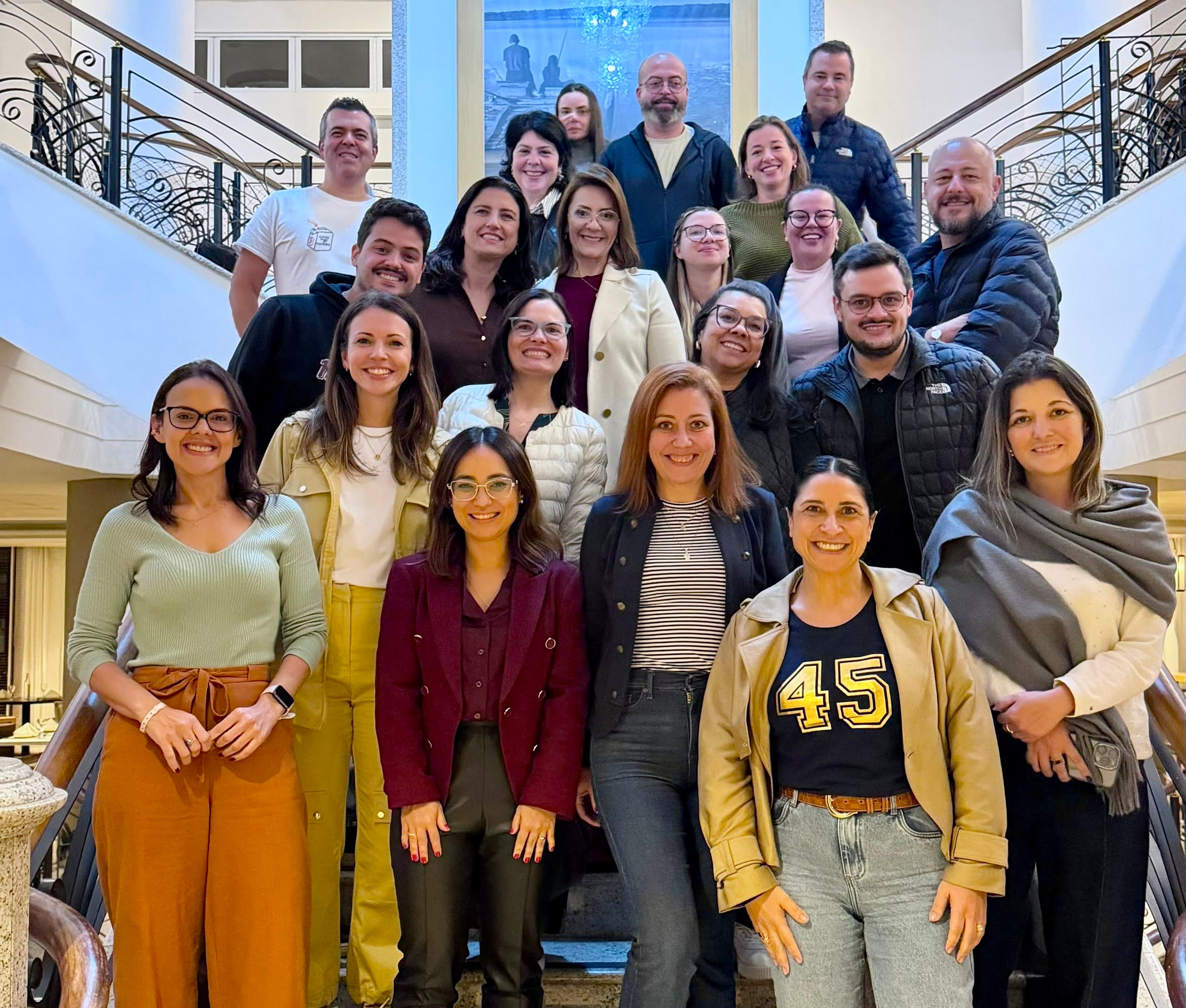
Those two numbers do not reconcile cleanly, and they are not supposed to. They use different scopes, different currencies, and different methodologies for what counts as corporate travel spend. The useful move is not to pick the bigger one. It is to understand what each is good for. The LVC tells you the shape of the market month to month from inside Brazil. The BTI tells you where Brazil sits relative to everyone else.
Both matter, and until recently Brazil had reliable access to neither. I have written before about how the best global research in this industry is openly honest about where its sample thins out, and Latin America sits squarely in that thin zone. Alagev’s contribution has been to build the domestic half of that picture, month after month, for years, so the region stops being estimated from a distance.
What the numbers are actually saying right now
Reading the LVC series alongside other Brazilian sector data produces a picture that is more nuanced than the headline growth suggests, and Alagev’s own leadership has been notably careful about not overselling it.
Executive director Luana Nogueira has pointed out that a meaningful portion of recent growth is being driven by rising prices rather than by more trips being taken, which she has described as a less ideal scenario than genuine demand expansion.
Jet fuel cost increases pushed airfares up sharply earlier this year, and some companies have responded by shifting shorter routes to ground transport and vehicle rental without reducing the underlying need to travel.
The lodging data points the same direction. Hotel occupancy in Brazil moved from 62.4 percent in May 2025 to 63.4 percent in May 2026, close to flat, while the average daily rate rose 5.4 percent over the same period. That is the same pattern I have written about on the airline side: revenue growing through price rather than volume.
An association that only wanted good headlines would report the record and stop. The fact that Alagev’s own executives volunteer the less flattering reading of their own data is, to me, the clearest evidence the organization is doing the job properly.
Why the technology committee, specifically
I chose the technology and innovation committee deliberately, and the reason is a risk I think this market is running without talking about it enough.
Artificial intelligence is arriving in corporate travel management faster than most travel programs can absorb it. The companies with dedicated technology budgets, internal data teams, and vendor relationships will absorb it fine. The concern is everyone else: the travel manager operating alone inside a mid-sized company, with no analyst, no data engineer, and no realistic way to evaluate whether a given AI tool is useful or noise.
Left alone, that gap widens into a two-speed market. A functioning association is one of the few structures that can narrow it, by taking what the frontier of the industry is doing and making it legible to people who have no way to discover it on their own.
That is not an abstract commitment. Alagev’s education arm runs a program called Primeira Classe, bimonthly masterclasses for travel managers across Brazil, built in partnership with VOLL, the corporate travel and expense management platform I cofounded, which is also one of the association’s supporting members.
The subject matter runs from pricing and competitive dynamics to governance and supplier ethics. The format is deliberately practical rather than promotional, because a masterclass that turns into a product demo teaches nobody anything and costs the association its credibility.
What longevity actually buys
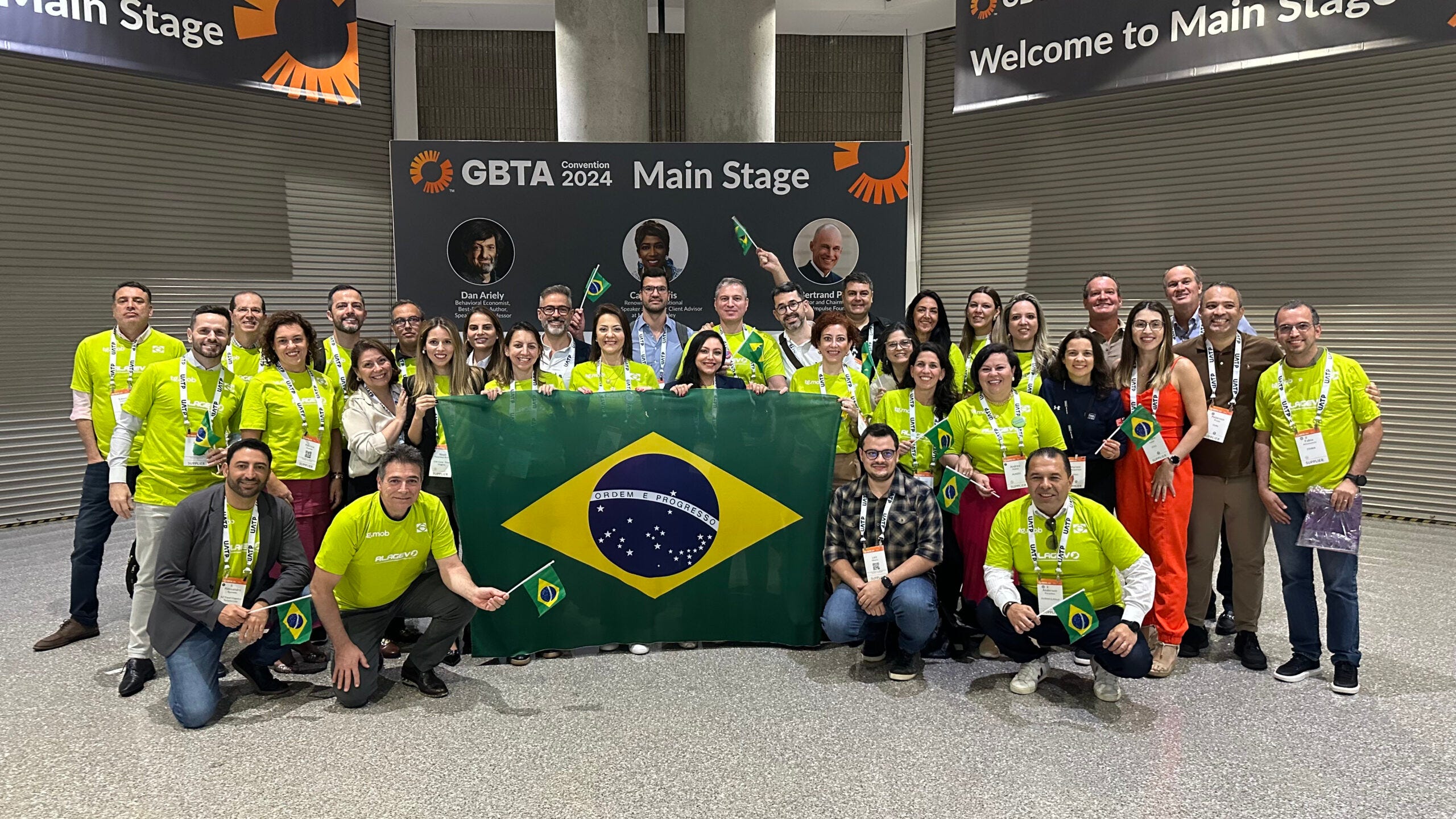
Twenty three years is a long time for a trade association in a market that was, for most of that period, treated as a cost center rather than a strategic function.
The value of that longevity is not sentimental. It is that the LVC series exists at all, that it has enough history behind it to distinguish a genuine trend from a seasonal blip, and that when the association publishes its outlook for the year ahead, it is drawing on a record long enough to be worth reading rather than a guess dressed up as a forecast.
It also buys the thing that is hardest to build and easiest to lose: enough trust from both sides of the market that a buyer and a supplier will sit at the same table and say what they actually think. I have written about what three days at a global industry convention taught me about how much of this industry’s real progress happens in rooms rather than in press releases.
Building and maintaining those rooms, for two decades, in a region where the market itself was long dismissed as peripheral, is the actual achievement.
Brazil is now among the ten largest corporate travel markets in the world and, by at least one credible global measure, the fastest growing of the major ones. That did not happen because an association willed it. But the fact that anyone outside Brazil can now verify the claim, with numbers rather than assertion, is very much because one existed.
About me

I am an entrepreneur with over 20 years of experience at the intersection of tourism and technology. I am co-founder and Chief Business Officer of VOLL, the largest mobile-first corporate travel and expense management platform in Latin America, and a recognized reference in the development of the corporate travel industry.
A Marketing specialist from Fundação Dom Cabral, I serve on the Tourism Council of FecomércioSP and on the Executive Council of the Latin American Association of Corporate Events and Travel Management (Alagev). A frequent traveler and close observer of human behavior in motion, I write and speak about innovation, digital transformation, entrepreneurial leadership, and the future of corporate travel.