


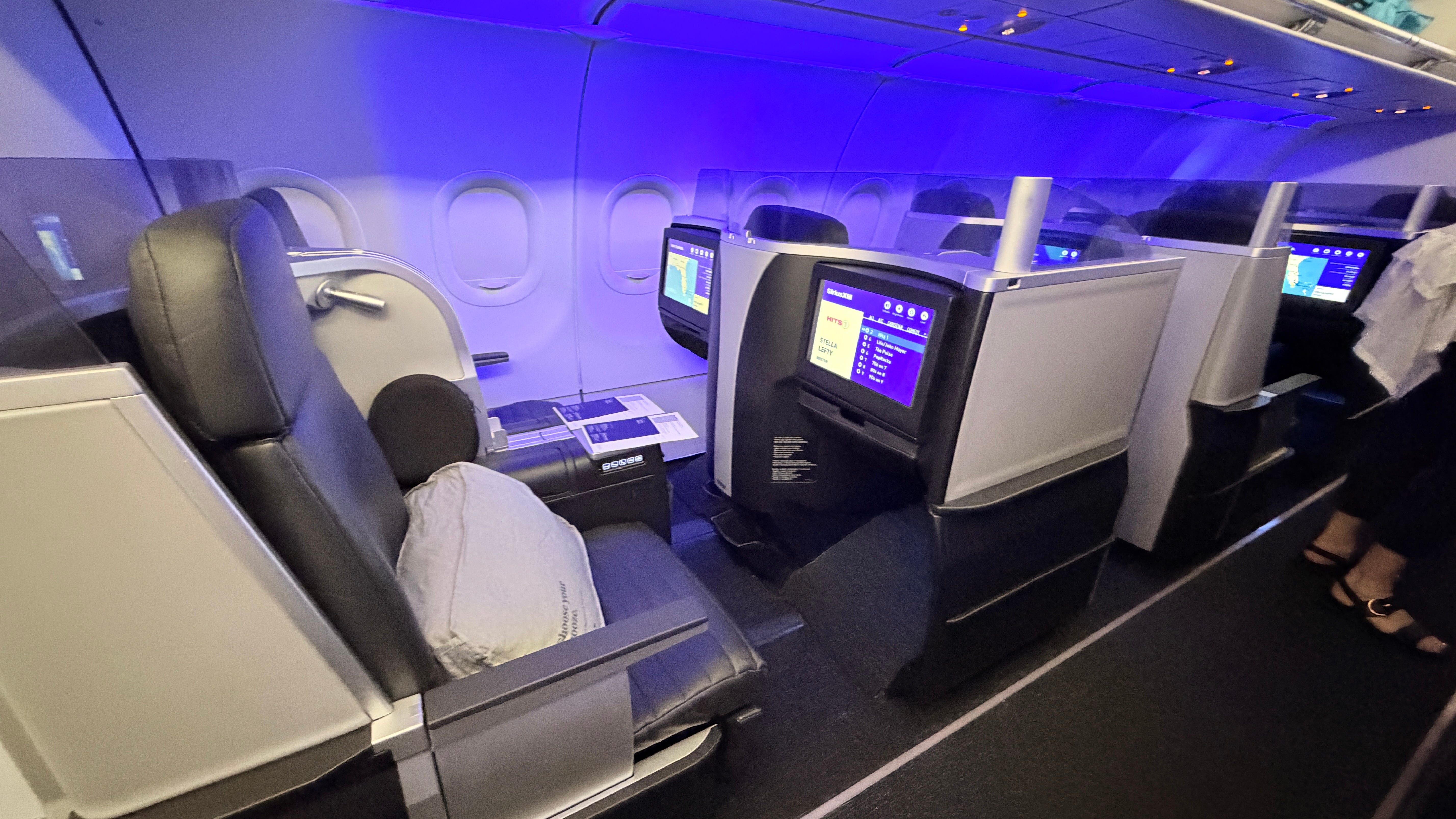
In August I flew JetBlue’s Mint cabin for the first time, Fort Lauderdale to San Francisco, five and a half hours across the country. I had flown premium internationally for years. I had never had that experience on a domestic flight, and I spent a good part of the flight thinking about why it surprised me. On the return leg a few days later, the same route in reverse, it held up. It was not a fluke or a good crew on a good day. It was a product designed deliberately for someone with exactly my reason for being on that plane.
I mention it because the number I want to write about explains why that product exists, and why more of them are coming.
Airline economics had a rough year. Fuel costs spiked, and industry profits were nearly cut in half as a result, a shock big enough to reshape how every major carrier thinks about its network and its margins. In the middle of that pressure, one line item quietly became the story: premium cabin revenue.
A recent study from Skift, a leading voice in global travel research, reproduces data from a major carrier’s own earnings that puts a precise number on a trend most of us could already feel from the front of the plane getting noticeably fuller.
The number itself
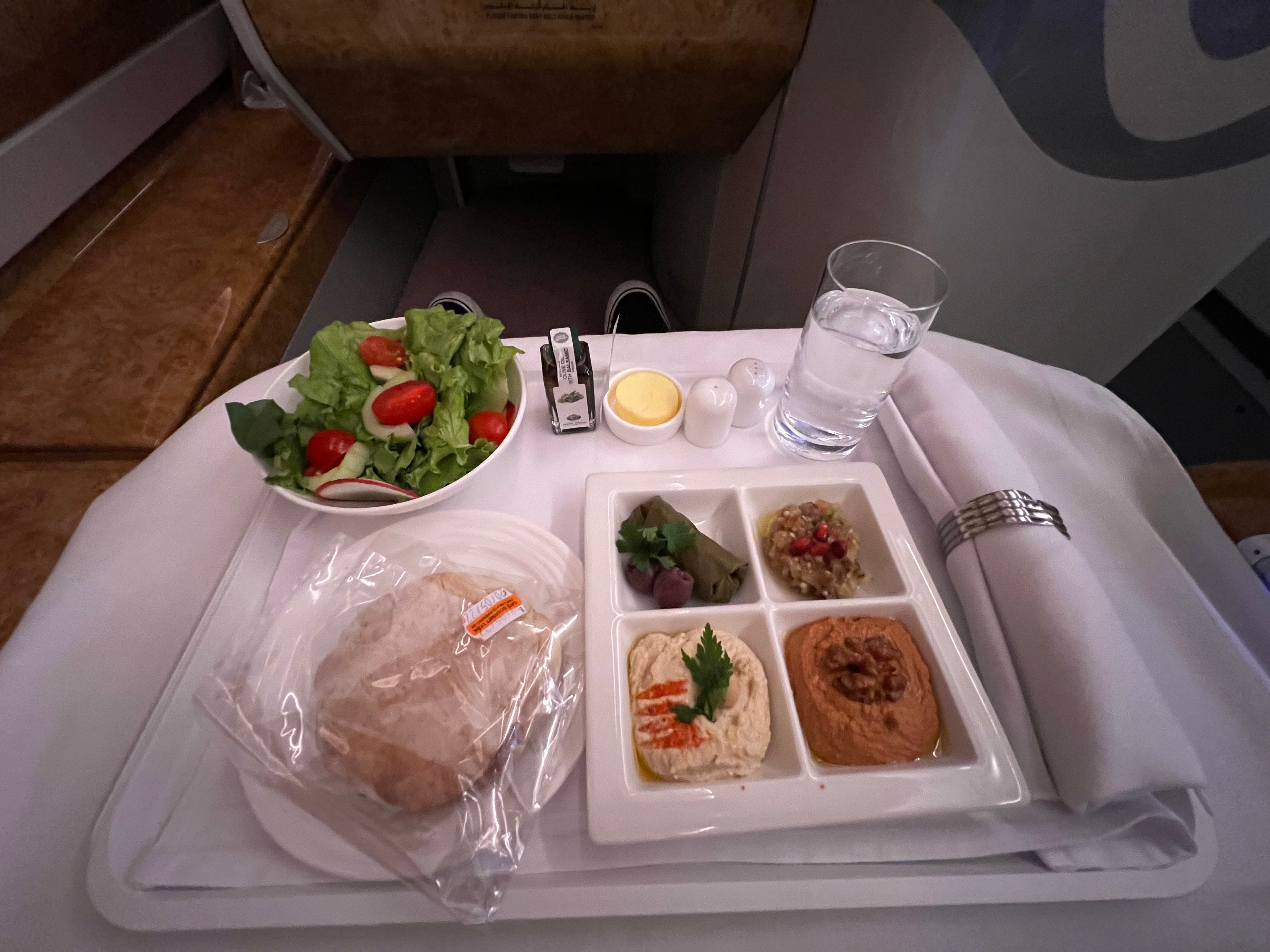
Premium cabin revenue now accounts for roughly half of this carrier’s total passenger revenue, up from 45% just two years earlier. It grew at more than double the rate of the main cabin over the same period. Put plainly, the fastest-growing part of a major airline’s business is the part with the highest margin, at exactly the moment fuel costs are compressing margin everywhere else.
That is not a coincidence, and it is worth being precise about the mechanism, because the easy explanation, that rich people are simply flying more, only accounts for part of it.
Why airlines lean harder into premium when costs rise
An airline facing a fuel-driven cost shock has a limited number of levers. It can cut capacity, which sacrifices revenue and market share. It can raise fares broadly, which risks demand elasticity across the whole customer base. Or it can reallocate the same physical aircraft toward the segment of demand that is least price-sensitive and most willing to pay for comfort, reliability, and time saved.
Premium is the lever that lets an airline extract more revenue from the same flight without needing more flights, more fuel, or more risk on the price-sensitive segment of its customer base. A widebody with more premium seats and fewer economy seats can generate meaningfully more revenue on the identical route, using the identical amount of fuel, which is precisely the trade an airline wants to make when fuel is the input squeezing every other part of the business.
This is the same dynamic I described in a different context, the way a fuel shock does not distribute evenly across a cost base, it concentrates wherever the airline has the most room to pass it through. Premium demand is exactly that room.
The corporate traveler is quietly part of this story
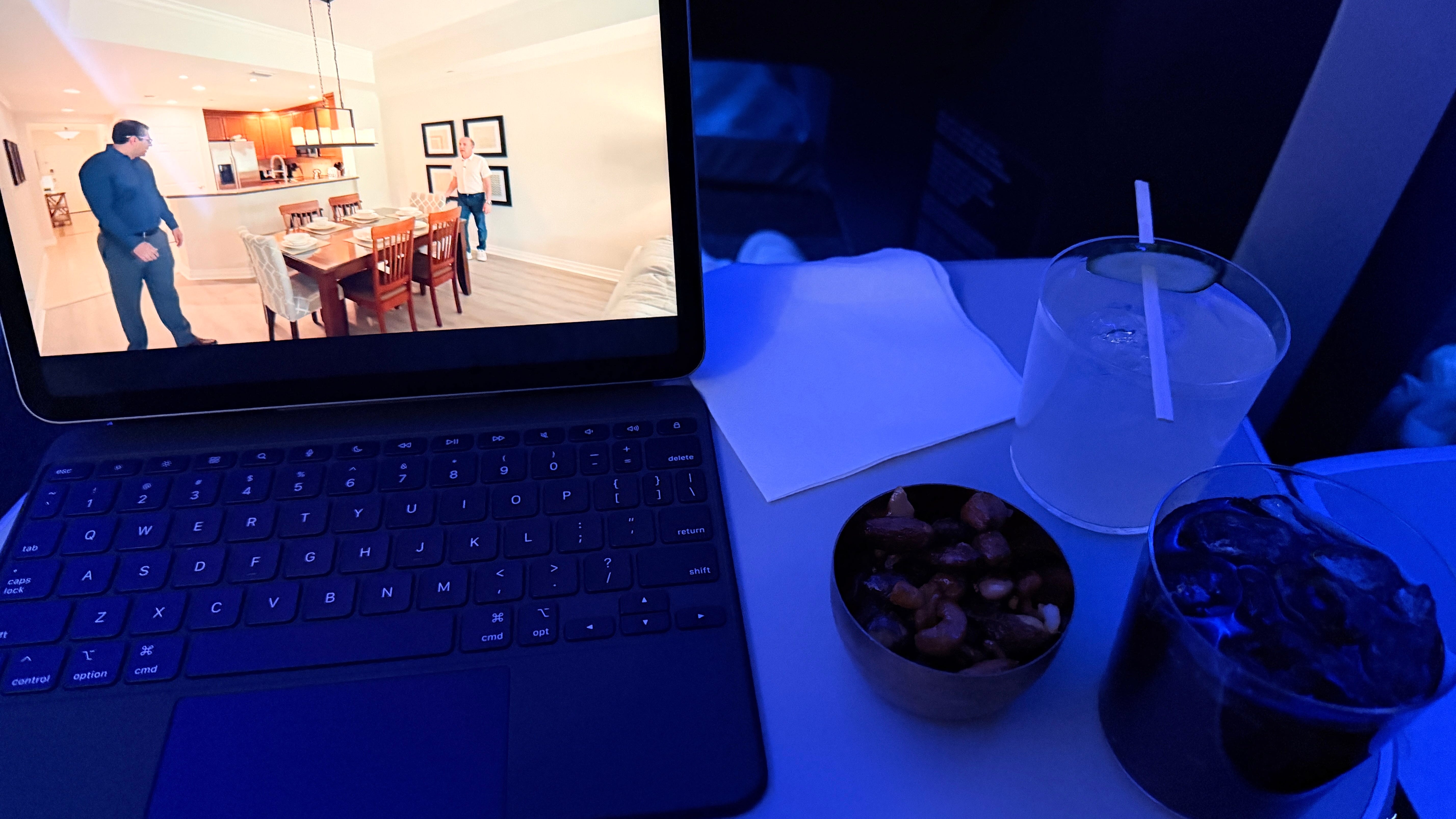
It would be a mistake to read this purely as a leisure luxury trend, wealthy travelers upgrading for comfort on a big trip. A meaningful share of premium demand growth is coming from business travel, where the calculus has shifted: with global business travel spending rising 7.2% this year while the number of trips grows barely 1%, as I have written about before, companies are increasingly paying more per trip rather than taking more trips.
If a company is going to send someone on fewer, more consequential trips this year, the case for putting that person in a seat where they arrive rested and productive gets easier to make, not harder, even as the overall travel budget tightens. Premium is not necessarily the discretionary indulgence it looks like from the outside. In a year defined by fewer, higher-stakes trips, it can be the more defensible spend, not the more extravagant one.
I recognize this from my own routine rather than from a spreadsheet. I fly LATAM’s Premium Economy regularly across Latin America, and the reason has almost nothing to do with luxury. It is that a four-hour flight that ends with me able to walk into a meeting and think clearly is a different economic product from one that ends with me needing an hour to recover. The airline is not selling me comfort. It is selling me the arrival, and the arrival is the only part of the trip my company is actually paying for.
What this means for anyone planning a travel budget
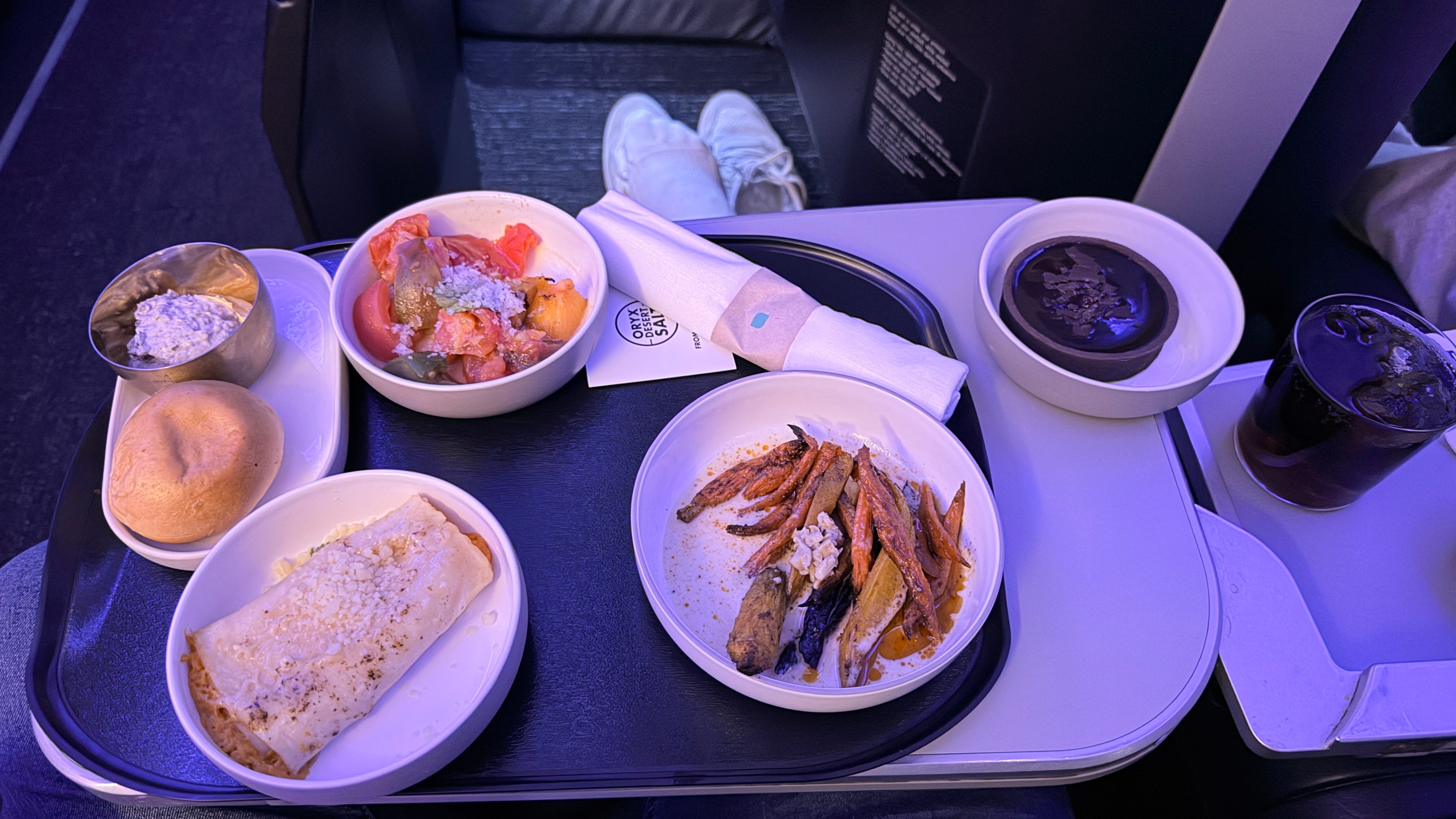
For a corporate travel manager, the premium pivot is worth watching as a pricing signal, not just a service tier. When airlines reallocate capacity toward premium, economy inventory on the same routes tends to tighten, which can push economy fares up even without economy demand itself increasing. A program that only tracks its own booking class may miss the reason its own economy fares are climbing: it is not that more people want economy, it is that airlines are quietly making less of it available.
For anyone advocating for premium travel within a company, the fuel-cost context gives a sharper argument than comfort alone ever did. The airlines’ own economics say the most efficient way to protect a margin under pressure is to concentrate value on fewer, better trips, and a corporate travel program facing the same pressure, more cost per trip in a year of tighter budgets, is making a structurally similar decision when it protects premium access for its highest-stakes travel.
Half, and rising
So the number to hold onto is the half. Not because it is dramatic on its own, but because of what it reveals about how an entire industry responds to a cost shock it cannot avoid.
Airlines did not respond to a fuel crisis by cutting the plane in half. They responded by reshaping what is inside it, and the direction of that reshaping, more premium, less standard economy, growing at more than double the rate, is a preview of where every travel budget touching that inventory is going to feel the pressure next.
Which brings me back to that flight in August. What surprised me was not that the product was good. It was that someone had decided a domestic route was worth building that product for, on an aircraft that would previously have been configured almost entirely for the cheapest seat available. That decision is what half of passenger revenue looks like from the inside of the cabin, and it is going to keep showing up on more routes, in more markets, including this one, for exactly the reasons the fuel numbers explain.
About me

I am an entrepreneur with over 20 years of experience at the intersection of tourism and technology. I am co-founder and Chief Business Officer of VOLL, the largest mobile-first corporate travel and expense management platform in Latin America, and a recognized reference in the development of the corporate travel industry.
A Marketing specialist from Fundação Dom Cabral, I serve on the Tourism Council of FecomércioSP and on the Executive Council of the Latin American Association of Corporate Events and Travel Management (Alagev). A frequent traveler and close observer of human behavior in motion, I write and speak about innovation, digital transformation, entrepreneurial leadership, and the future of corporate travel.