


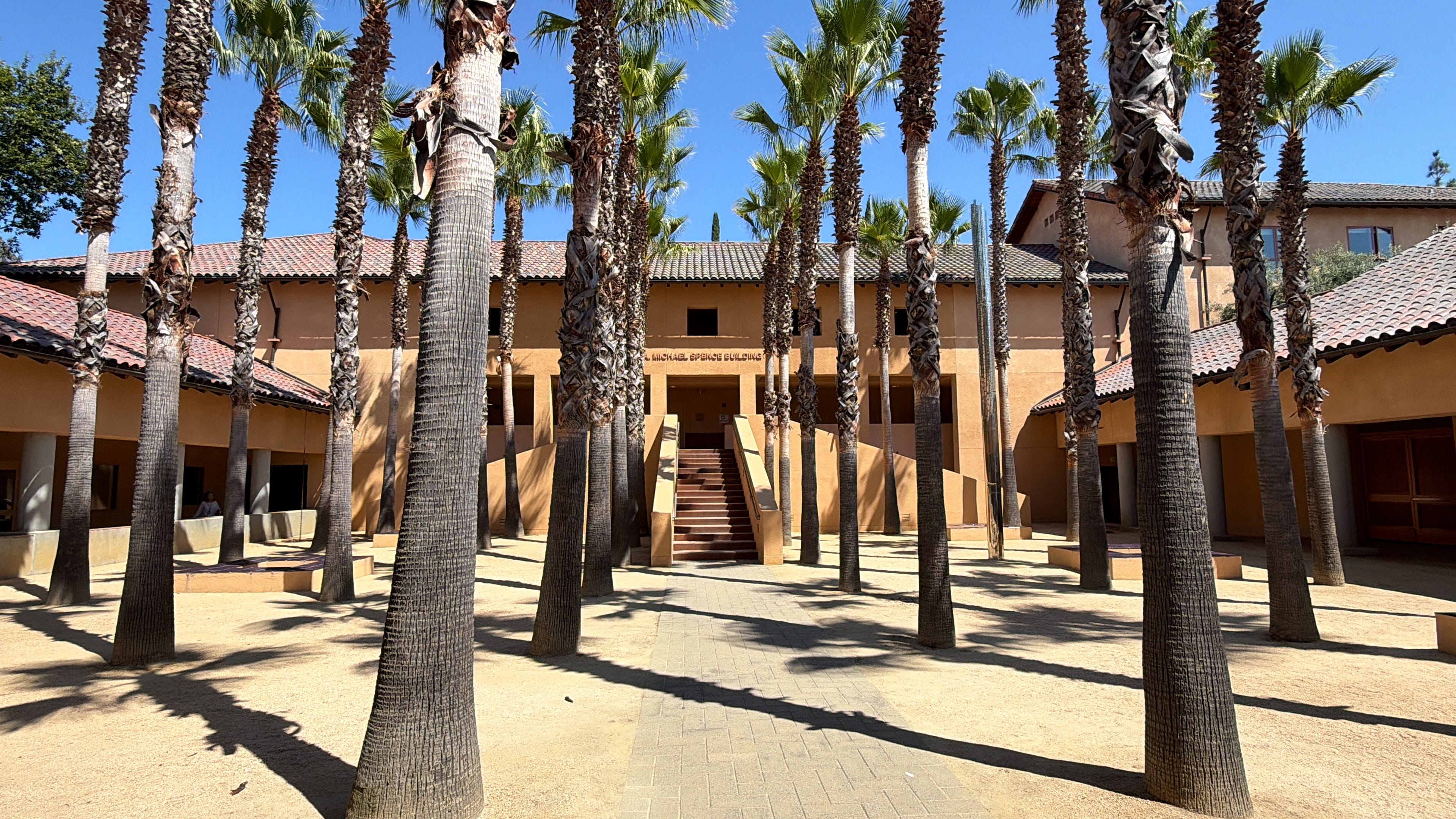
I am writing this from Stanford, where I am spending the week in an immersion program about a single premise: that the organizations of the future will, inevitably, be AI organizations. The room is full of leaders from industries that look nothing like mine, which is exactly why the most useful question I have been asked about the future of travel came from one of them.
A classmate, the chief executive of a bank in Poland, turned to me between sessions and asked something deceptively simple. In a world where AI handles more and more, where does the human travel agent actually fit when a trip falls apart?
I had just come from Chicago, where I watched an entire industry wrestle with a version of that exact question. So I told him the story that, for me, answers it better than any framework.
The story I told him
At the GBTA Convention, a corporate travel manager described how she got to Chicago, and without intending to, she resolved the whole debate.
Her flight from New York was cancelled. It was raining torrentially and the airline was dropping flights across the city. Her travel agency’s chatbot worked well at first: it flagged the disruption, offered options, let her rebook, let her manage standby. Everything with a structured answer, the automation handled cleanly and fast.
Then they cancelled everything. The next flight the chatbot could offer was the following day, too late for the event she had crossed the country to attend. At that point the automation had nothing left to give, because it was still trying to solve the problem it had been given: find this person another flight on this airline.
So she called a human. Her corporate travel consultant, a person she knows by name. She said: I need to get there, I do not care how. And the consultant put her on a flight on a different airline that was practically already leaving the gate.
Look at the division of labor in that story. The chatbot tried to solve the flight. The person understood that the problem was not the flight. It was the commitment on the other end of it.
Why the machine stopped being able to help
The reason that boundary matters is not that the AI was bad. It was genuinely good, right up until the moment it was not.
Automation is excellent at the structured problem, the one with defined options and clear rules. Detect the disruption, present the alternatives, execute the rebooking within the airline’s own inventory. That is real work and the AI did it faster and more calmly than a stressed human on a rainy morning could have.
It stopped being able to help at the exact moment the problem stopped being structured. When every conventional option disappeared and the solution required stepping outside the original airline, reinterpreting the goal, and improvising, the machine had no move. The automation optimized the transaction it was handed. The human re-defined the problem.
That is the difference, and it is not a small one. The chatbot was trying to rebook a flight. The consultant understood that her actual job was not to rebook a flight at all. It was to get a person to a place by a time. Same situation, completely different understanding of what the problem even was.
What I told the banker the future looks like
So my answer to his question, where does the human fit, is this.
The human does not fit as a backup for when the machine breaks. That framing is wrong, and it is the framing most people reach for. It imagines a sequence: the AI tries first, and when it fails, a person picks up the pieces. Plan A and Plan B.
The reality I described to him is not sequential. It is a division of labor by type of problem. The AI owns the structured and the predictable. The human owns the ambiguous and the exceptional. They are not each other’s fallback. They are each other’s complement, working the same case from the start. The automation was already working while the consultant was reachable the whole time. When the case crossed from structured to exceptional, the ownership shifted, but neither replaced the other.
He is a banker, so I put it in terms he would recognize. Nobody thinks the future of banking is a world with no bankers. They think it is a world where the routine is automated and the human attention is concentrated on the decisions and relationships that actually need judgment. Travel is the same. The question was never whether AI or people. It was always which problems go to which.
The word I keep coming back to
There is a word that captures this better than automation does, and I have been using it since Chicago.
Orchestration. An orchestra is not a machine that replaced musicians, and it is not a crowd of musicians with no coordination. It is many specialized capabilities, human and instrumental, brought into coherence by something that knows which one should be playing at each moment. That is what the good version of this future looks like. Not autonomous. Orchestrated.
In a travel program, orchestration means the AI monitors, compares, flags, and executes the structured work continuously, and the human specialist is brought in precisely when the situation exceeds the rules, when it needs interpretation, negotiation, or the judgment to redefine the goal. Neither is in charge all the time. Something has to know when to hand off, and that knowing is the actual design challenge of the next decade.
What the AI-native organization gets wrong, and right
Here at Stanford, the phrase in the air is the AI-native organization, and I believe in it. The organizations that win the next decade will be built around these tools from the ground up, not have them bolted on.
But the version of that idea worth wanting is not the one where AI does everything. It is the one where the organization is designed, from the start, around the intelligent division of labor between machine and human, with the handoffs engineered rather than accidental. The naive version automates everything it can and treats the remaining humans as a cost to be minimized. The sophisticated version automates everything it should and treats human judgment as the scarce resource to be concentrated where it matters most.
The travel manager stuck in the rain did not need less technology. She needed technology that did its job flawlessly and then knew, at the right moment, to get out of the way and let a person who knew her name solve the thing only a person could solve.
The answer, in one line
I do not know if my classmate got the answer he expected. But I told him the truest version I have.
The human travel agent does not disappear in a world of AI. The human travel agent becomes the person you reach the moment the problem stops being a problem a machine can define. The future of this industry is not automated. It is orchestrated, and orchestration, in the end, is still human work.
A chatbot tried to solve her flight. A person understood she needed to save the meeting. Until machines can tell the difference between those two things on their own, and they cannot yet, the most important seat in the AI-native travel organization still belongs to a human.
About me
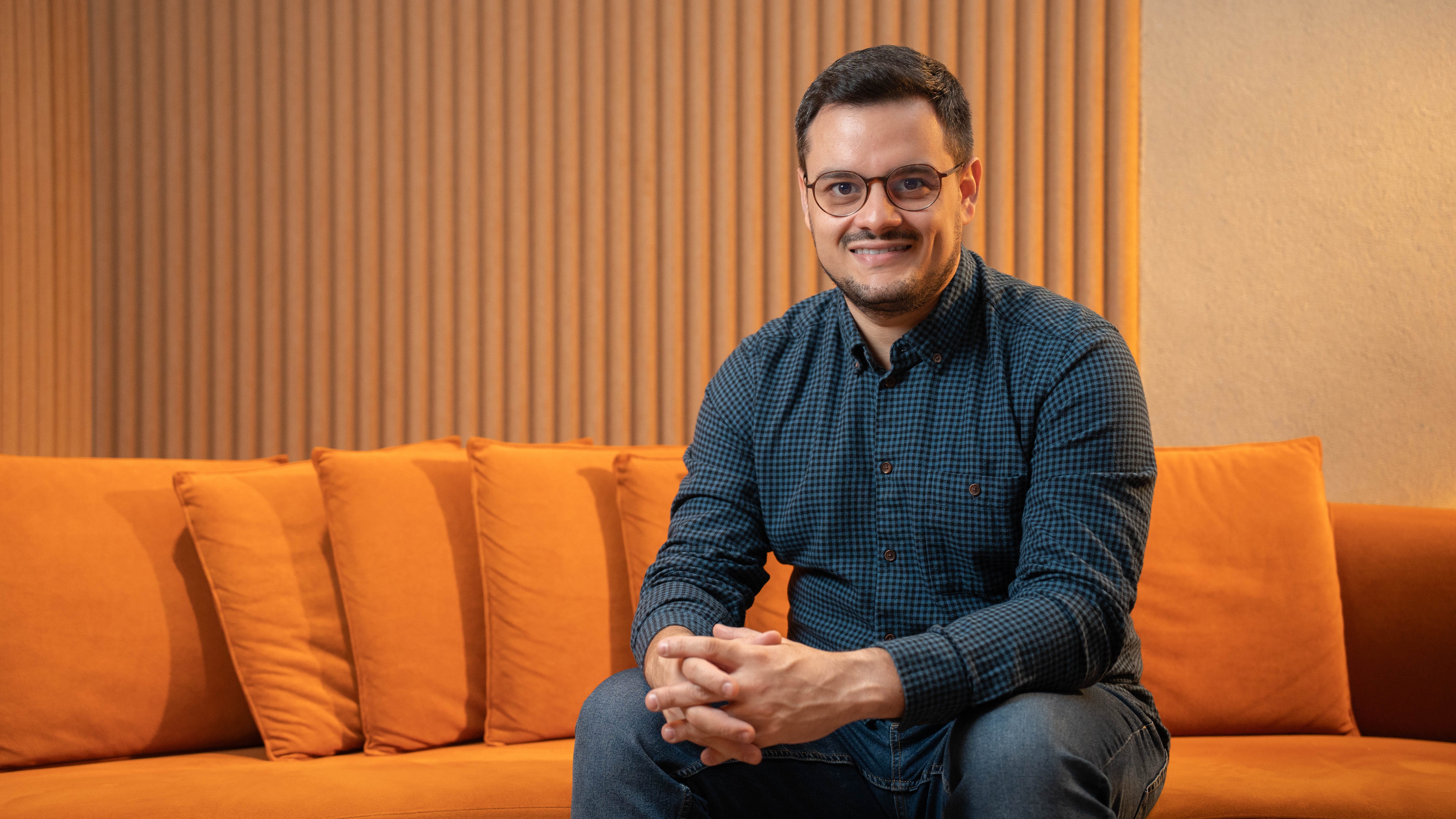
I am an entrepreneur with over 20 years of experience at the intersection of tourism and technology. I am co-founder and Chief Business Officer of VOLL, the largest mobile-first corporate travel and expense management platform in Latin America, and a recognized reference in the development of the corporate travel industry.
A Marketing specialist from Fundação Dom Cabral, I serve on the Tourism Council of FecomércioSP and on the Executive Council of the Latin American Association of Corporate Events and Travel Management (Alagev). A frequent traveler and close observer of human behavior in motion, I write and speak about innovation, digital transformation, entrepreneurial leadership, and the future of corporate travel.