



The first budget line a nervous company freezes is almost always travel. It’s discretionary, it’s visible, and cutting it feels responsible. A CFO who senses trouble coming will ground the trips long before touching headcount, and long before anyone goes near the core of the operation.
Which is exactly why travel is worth watching. Not because it’s big, though it is. Because it moves early. Whether to send someone on a plane, or keep them at their desk, is one of the most sensitive instruments a company has for showing how it really feels about the months ahead. It reacts before hiring does, before capital spending does, before most of the figures economists actually track.
The trip is a confidence signal
Think about what a business trip actually is. Nobody flies three hours to close a deal they don’t believe in. Travel spend is a bet on the future. You pay now because you expect the meeting, the client, the partnership to be worth more than the fare later on.
So a travel freeze isn’t only cost-cutting. It’s a company saying, in the most concrete way it has, that it’s no longer sure the future justifies the ticket. When travel comes back, that doubt has lifted. Someone decided the meeting was worth flying for again.
And that decision usually lands before the recovery shows up in any official number. The confidence comes back, the spending trails it, and the reported data confirms it a couple of quarters later, once the moment has already passed.
What the last few years showed
You could watch this happen after the pandemic. Leisure came roaring back first, running on pure pent-up desire. Business travel was the more revealing one. It returned uuneven, one sector at a time, and where it returned, it tended to mark which industries had actually found their footing again, whatever their press releases claimed.
The companies putting people back on planes had decided the world was open. The ones keeping their teams home weren’t convinced yet, no matter what they said out loud. You wanted to know how an industry was really doing? Easier to check whether its people were flying than to parse another confident quote.
Why this matters more now
We’re in a stretch where confidence is thin and looks completely different depending on where you’re standing. Geopolitical shocks, fuel swinging around, currencies lurching. In a mess like this, the official indicators lag worse than usual, because all they can do is describe what already happened. Travel captures what companies are willing to commit to today.
That’s the useful part. A firm can tell you it’s optimistic on an earnings call for free. It’s a lot harder to fake when you look at whether it’s actually spending to get people in front of clients. Anyone can say the words. Buying the ticket costs something.
What I’d watch
If I wanted an early read on where things are going, I wouldn’t open with the headline figures. I’d look at which companies are reopening their travel budgets, and for what. A sales team back on the road usually means somebody expects to sell. An executive flying into a market nobody’s touched in a while usually means somebody sees something there.
It’s not a crystal ball. Travel can mislead like any signal, and one quarter proves nothing on its own. But the pattern holds up more often than it fails. Who’s flying, and where, is one of the more honest things a company lets slip about its own confidence. And confidence tends to move first. The rest of the economy spends the next few quarters catching up to a call somebody already made.
About me
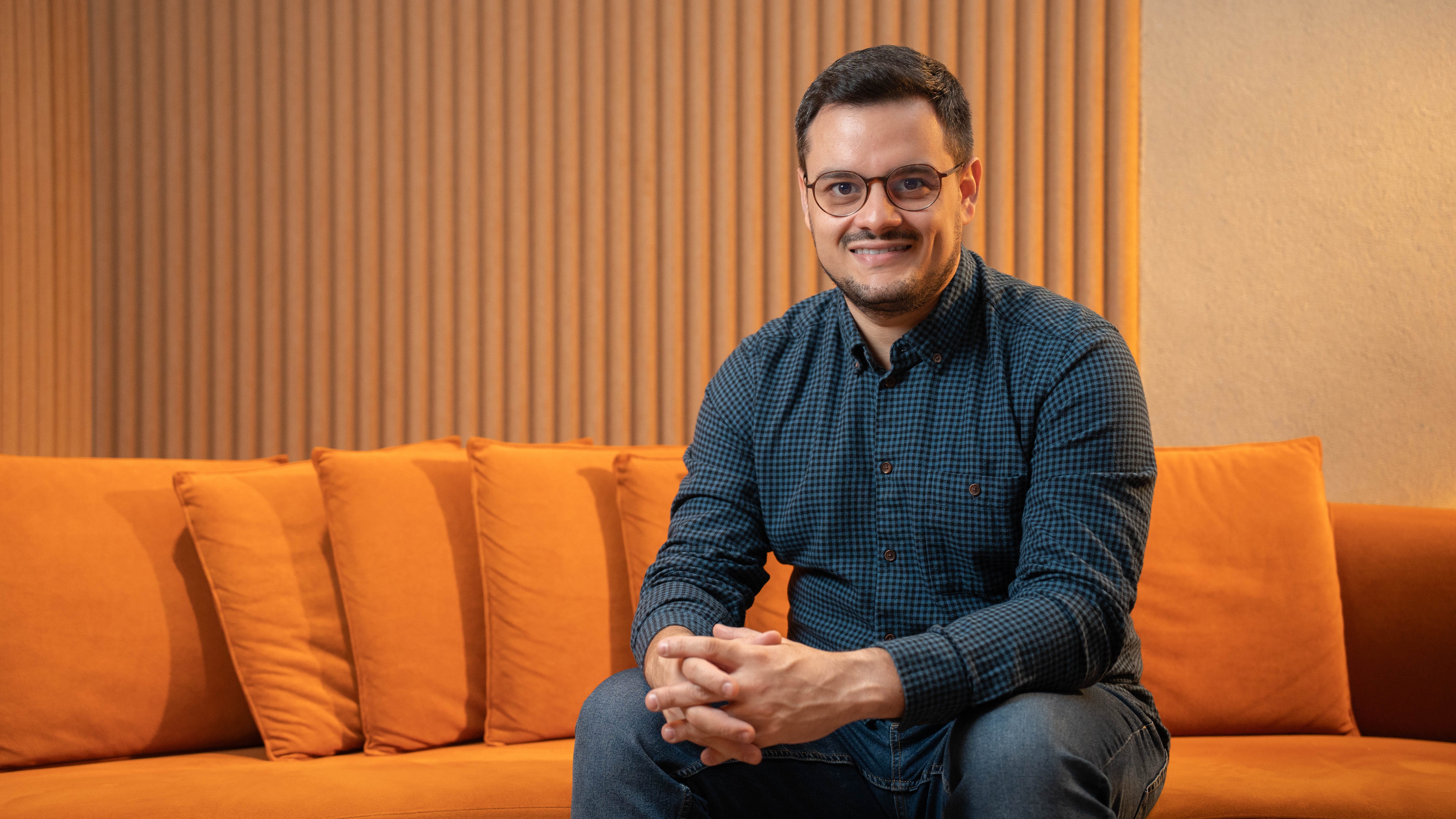
I am an entrepreneur with over 20 years of experience at the intersection of tourism and technology. I am co-founder and Chief Business Officer of VOLL, the largest mobile-first corporate travel and expense management platform in Latin America, and a recognized reference in the development of the corporate travel industry.
A Marketing specialist from Fundação Dom Cabral, I serve on the Tourism Council of FecomércioSP and on the Executive Council of the Latin American Association of Corporate Events and Travel Management (Alagev). A frequent traveler and close observer of human behavior in motion, I write and speak about innovation, digital transformation, entrepreneurial leadership, and the future of corporate travel.