


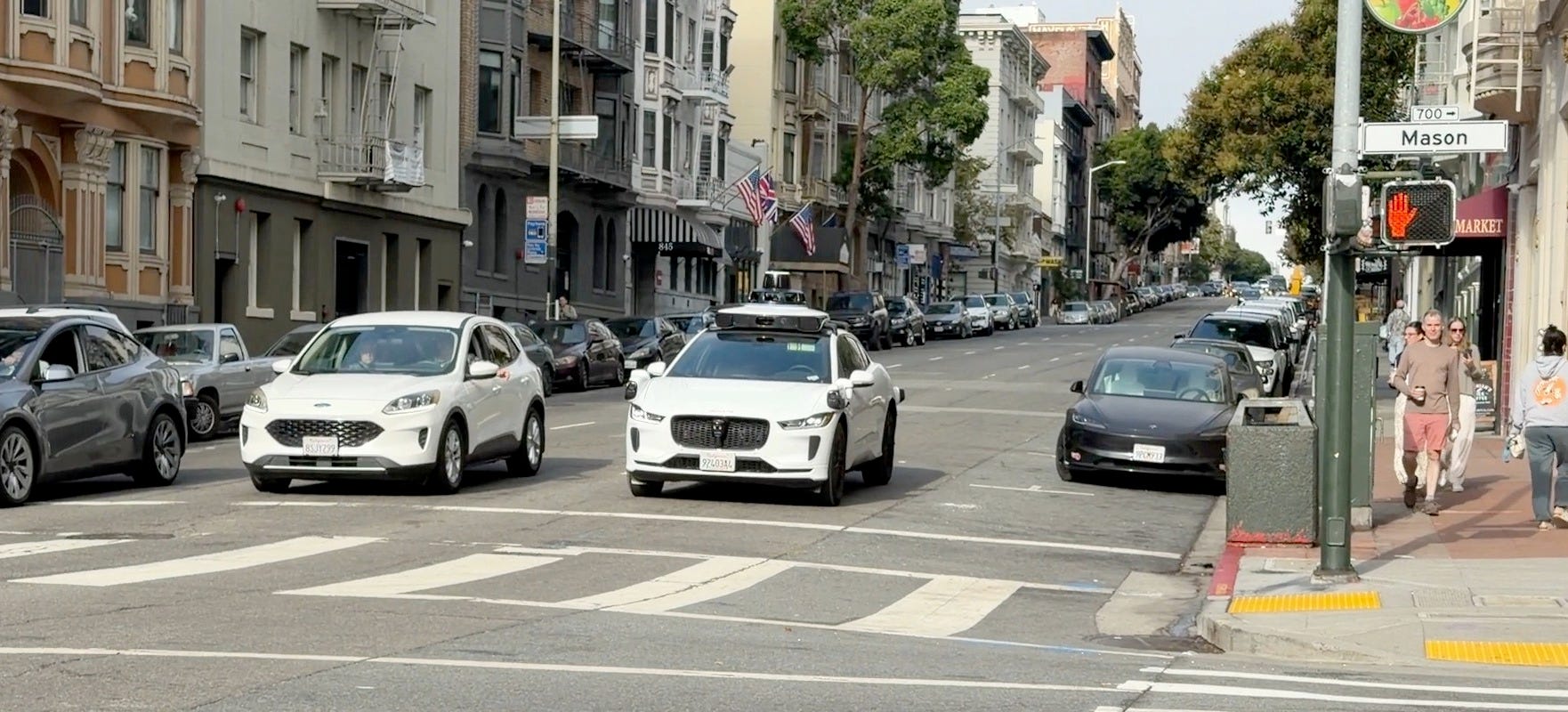
What San Francisco looked like in August
I spent time in San Francisco this August, and the thing that stayed with me was not any single ride. It was how unremarkable the whole thing had become.
Driverless cars were simply part of the street. They queued at lights, waited for pedestrians, took turns at four-way stops, and nobody on the sidewalk looked up. Residents talked about them the way people talk about a bus route: fine, occasionally annoying, mostly just there.
The technology had crossed from spectacle into infrastructure, which is a much harder line to cross than the engineering one.
That transition is what makes the next announcement interesting rather than novel. Waymo has confirmed it will begin operating in Munich, its first city in continental Europe, with public robotaxi service planned toward the end of 2027. Human drivers will spend the coming months digitally mapping the city first. Waymo’s co-CEO Tekedra Mawakana framed the priority as earning community trust, alongside local fleet operations and skilled jobs.
The head of the Bavarian State Chancellery, Florian Herrmann, was blunter about what the state intends to do to help: move quickly from testing to real deployment, improve the framework conditions, cut red tape, and remove regulatory barriers.
Munich is a reasonable choice. It is a wealthy engineering city with orderly traffic, excellent existing transit, and a government publicly volunteering to clear regulatory obstacles. It is also, by almost any measure of urban mobility pain, one of the cities in the world that needs this least.
What the problem actually looks like in São Paulo
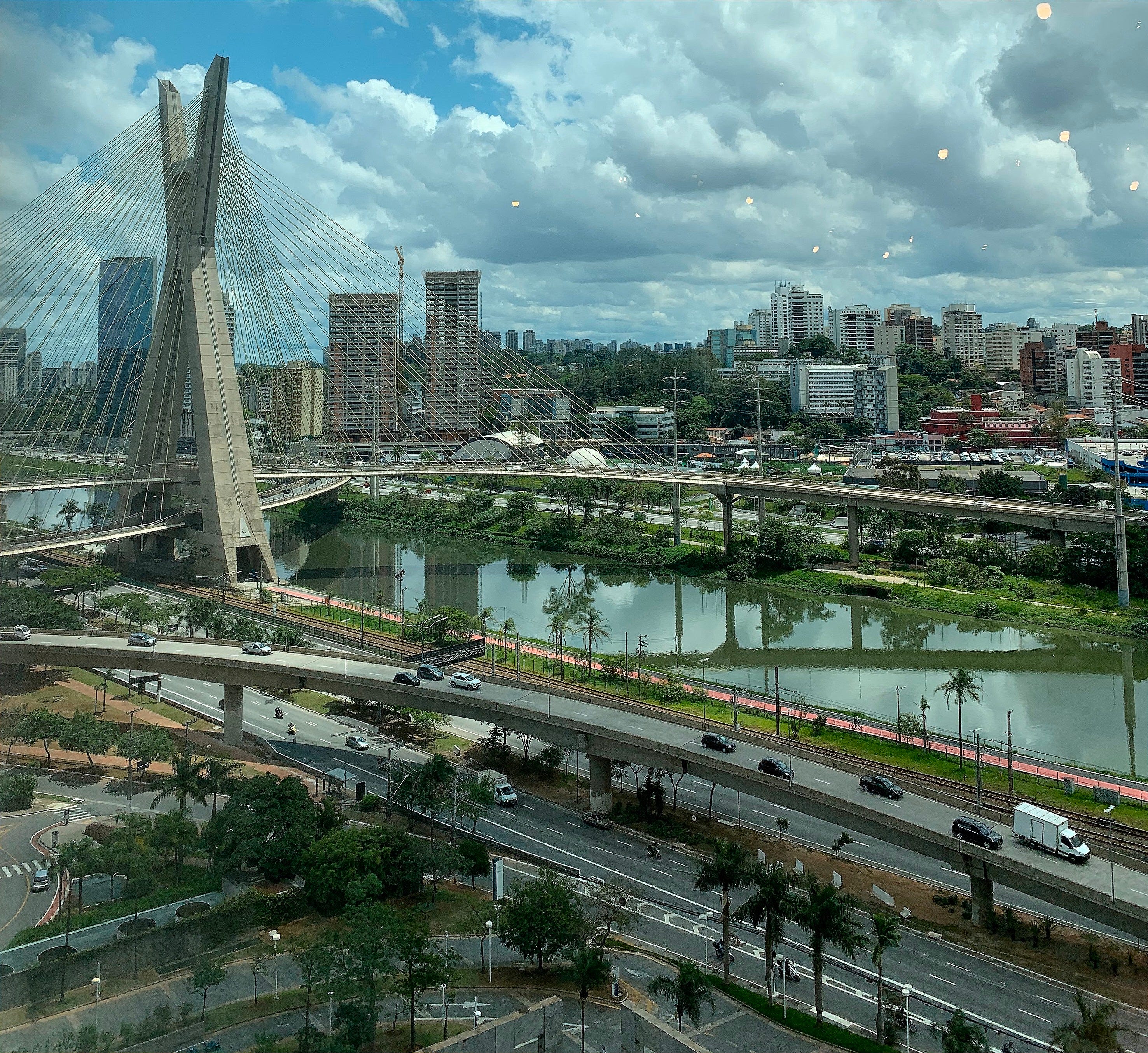
Consider the same question from where I live.
Congestion in the city of São Paulo rose 36 percent between the first quarter of 2025 and the first quarter of 2026, according to data from CET, the city’s traffic engineering company. The average went from 227 kilometers of congested road to 310.
Those are the aggregate numbers. The human version is harder to read. Analysis of 2022 census data by Agência Mural found that roughly 228,000 residents of Greater São Paulo spend more than two hours getting to work, each way. Include everyone who spends between one and two hours and the figure approaches two million people. In Francisco Morato, half the working population is in that first category. In Ferraz de Vasconcelos, four in ten.
A 2023 survey by Rede Nossa São Paulo with Ipec found the average resident of the capital spends two hours and 26 minutes a day moving around the city, a figure that had returned to its pre-pandemic level and, notably, was slightly worse by car than by public transport.
The gap between the cities getting this technology and the cities that would benefit most from it is not small, and it is not narrowing.
Why the mismatch exists, honestly
It would be easy to frame this as unfairness, and that framing would be lazy. The reasons Munich comes before São Paulo are mostly practical, and worth stating clearly.
Autonomous systems are trained and validated on mapped, predictable environments. Munich has consistent lane markings, enforced traffic rules, comparatively low vehicle density per lane kilometer, and a regulator publicly offering to accelerate approvals.

São Paulo has a motorcycle delivery economy that occupies the space between lanes, informal parking that changes street geometry by the hour, road surface conditions that vary block to block, and a legal framework for autonomous operation that does not yet exist in usable form.
There is also a straightforward commercial reason. These deployments cost enormous amounts of capital per city, and companies burning that capital go where the payback is fastest and the regulatory risk is lowest.
That logic is sound for the company making the decision. It is simply not the same logic as where the technology would create the most value per vehicle.
None of these barriers is permanent. Mapping is a solvable engineering problem, and Waymo is about to spend months proving that in a new market. Regulation is a policy decision, not a law of physics, and Bavaria just demonstrated how quickly a motivated government can move on it. Vehicle density and informal traffic are genuinely harder, and they are also exactly the conditions under which a system that never gets tired, distracted or aggressive would have the most to contribute.
What this has to do with corporate travel
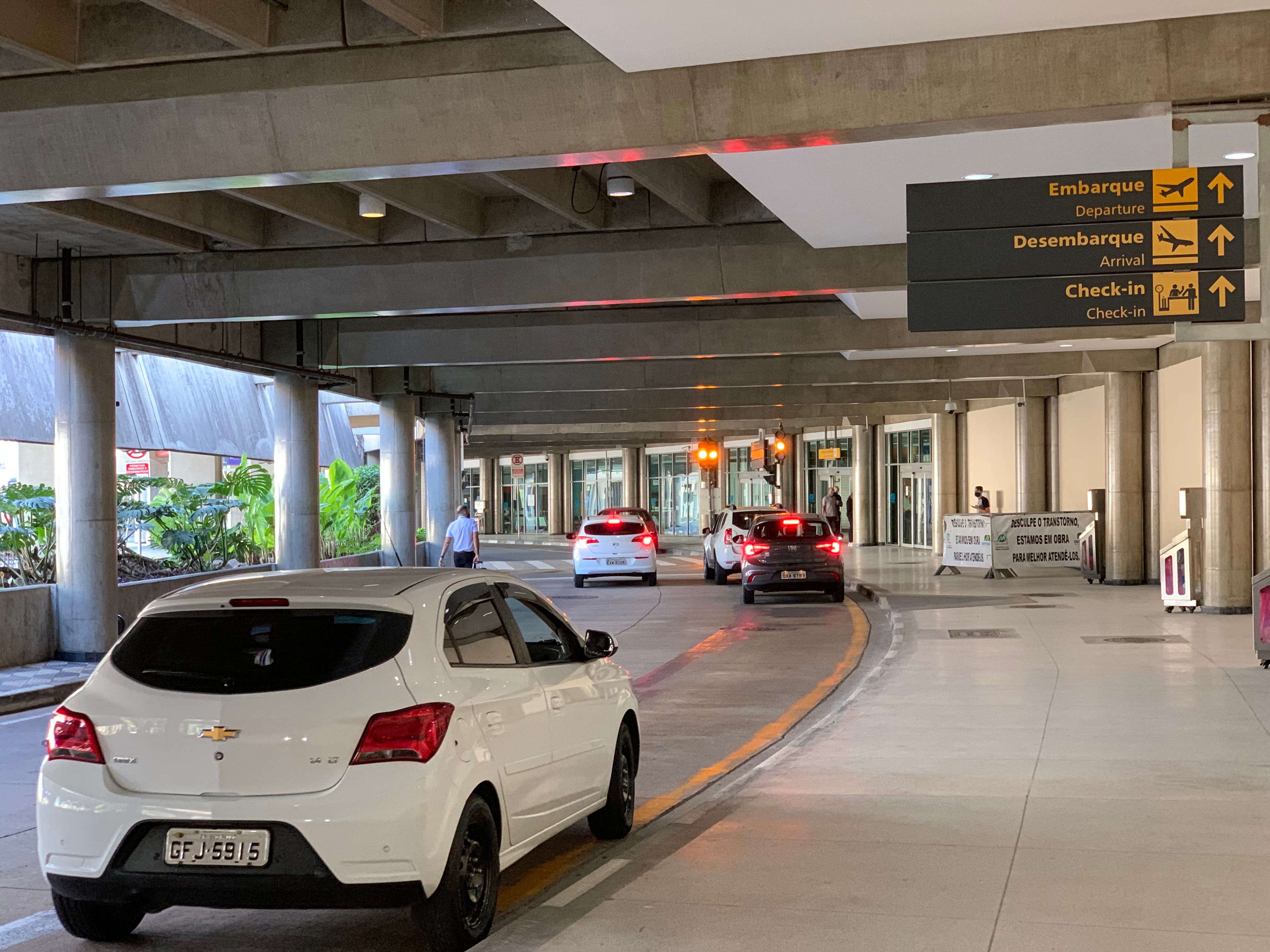
Ground transport is the part of a corporate travel program that receives the least strategic attention and produces some of the most friction.
In our own transaction data at VOLL, the corporate travel and expense management platform I cofounded, the second most frequent merchant category after restaurants is gas stations.
That is not a glamorous finding, but it describes something real: a large share of what a business trip actually consists of is ground movement, and most travel policies treat it as a residual category after air and hotel are settled.
The cost of that movement in a congested city is not primarily the fare. It is the meeting that started twenty minutes late, the airport transfer that had to be scheduled ninety minutes earlier than the distance justifies, the traveler who arrives at a client already worn down.
I have argued before that the real cost of a travel program hides in the places that never appear on an invoice, and ground transport in a metropolitan region losing 310 kilometers a day to congestion is a textbook case.
Autonomous vehicles do not fix congestion. Anyone claiming otherwise is selling something, and the honest debate about whether robotaxi fleets add to traffic or reduce it is unresolved. What they plausibly do change is the value of the time spent inside the vehicle, the consistency of arrival estimates, and the safety profile of ground transport in cities where road incidents remain a serious duty of care exposure for employers.
For a company managing travel in Latin America today, the practical implication is not to wait for robotaxis. It is to treat ground transport as a measured category rather than an afterthought, since the variance in that leg of the trip is larger here than the global averages suggest.
What would have to change for the region to be on the list
Three things, in rough order of difficulty.
Regulatory clarity comes first, and it is the cheapest. Bavaria’s officials publicly committed to removing barriers before a single autonomous vehicle carries a passenger.
Latin American cities that want to be considered for these deployments in the 2030s need a framework a company can read and plan against, which is a legislative question rather than a technological one.
Data infrastructure comes second. These systems require detailed, current, machine-readable maps of a city. That is an asset a municipality can begin building independently of any vendor, and one with obvious value for transit planning, emergency response and traffic management regardless of whether an autonomous fleet ever arrives.
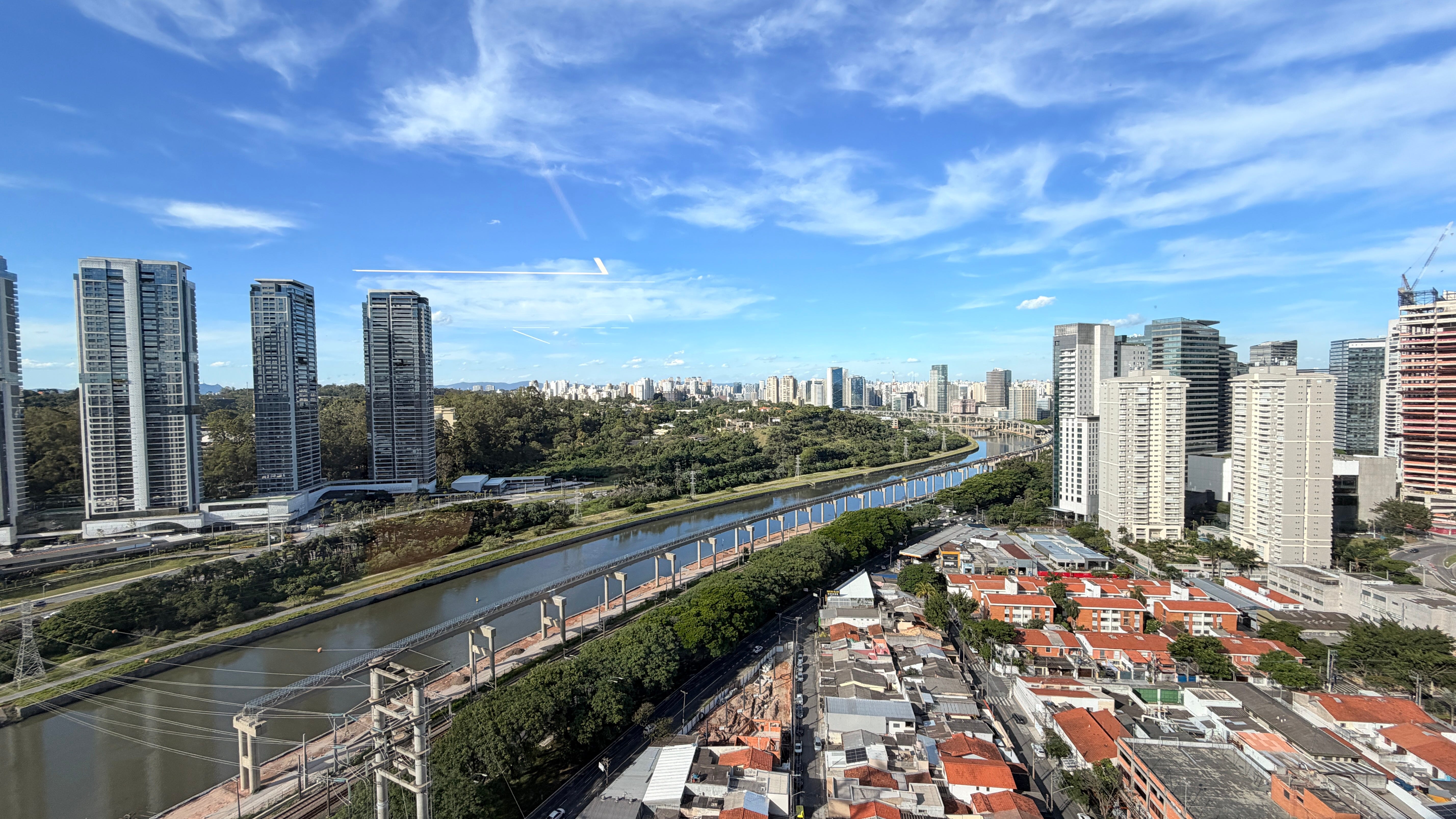
The hardest one is honest sequencing. A robotaxi fleet is not a substitute for mass transit in a metropolitan region where two million people spend more than an hour getting to work. Those two million are not a robotaxi market at any plausible price point.
Autonomous vehicles could meaningfully improve one slice of urban mobility, the point-to-point trip currently served by ride-hailing and taxis. Presenting that as a solution to structural transit deficits would be a category error, and an expensive one if it displaces investment that should go elsewhere.
The part I keep coming back to
Latin America has repeatedly adopted new mobility and payment technology faster than markets that invented it. Ride-hailing scaled here at a pace that surprised its own operators. Instant payment moved corporate transactions onto a rail that most of the world is still building. The region’s record on absorbing new technology quickly is genuinely strong, and the constraint has rarely been appetite.
So the question raised by the Munich announcement is not whether Latin American cities would use this. It is whether anyone is doing the unglamorous preparatory work now, the regulation and the mapping, so that when the deployment economics eventually reach cities like ours, the answer to why not here is not simply that nobody got ready.
Standing on a San Francisco sidewalk in August, watching people ignore driverless cars entirely, the thought I kept having was not about the technology. It was that this is what the endpoint looks like, and the cities that get there are the ones that decided years earlier to be ready for it.
About me

I am an entrepreneur with over 20 years of experience at the intersection of tourism and technology. I am co-founder and Chief Business Officer of VOLL, the largest mobile-first corporate travel and expense management platform in Latin America, and a recognized reference in the development of the corporate travel industry.
A Marketing specialist from Fundação Dom Cabral, I serve on the Tourism Council of FecomércioSP and on the Executive Council of the Latin American Association of Corporate Events and Travel Management (Alagev). A frequent traveler and close observer of human behavior in motion, I write and speak about innovation, digital transformation, entrepreneurial leadership, and the future of corporate travel.