


I run a company that exists because people travel for work. So what I’m about to say cuts against my own interest, which is maybe why it took me a while to say it out loud.
The best thing a travel program can do, sometimes, is prevent a trip.
Not optimize it. Not find a cheaper fare or a better route. Prevent it. Look at a trip that’s about to be booked and conclude, quietly, that it doesn’t need to exist. That the meeting could be a call, that the site visit could wait, that three people are flying to a thing that needs one. And almost nobody in this industry is set up to do that, because almost nobody gets rewarded for it.
Everyone is paid for the trip to happen
Follow the incentives and it’s obvious. The airline wants the seat filled. The hotel wants the room booked. The agency, traditionally, earns more when more trips move through it. Even inside the company, the person booking usually isn’t the person paying, and the person paying rarely sees the booking until it’s already done.
Every arrow points toward the trip happening. Nobody in the chain has a reason to stand up and ask whether it should. The entire machine is tuned to reduce friction, to make yes easier, and a question like “does this need to happen?” is friction by definition.
So the question doesn’t get asked. Not because anyone’s acting in bad faith, but because no one owns it. It falls in the gap between everybody’s job.
The trip that shouldn’t have happened
You know the ones I mean. Four people flying to a two-hour meeting that ended in a decision an email could have carried. The quarterly visit that happens because it happened last quarter, not because anyone still needs it. The conference someone attends out of habit, comes home from, and can’t quite say what changed.
These trips have a real cost, and it isn’t only the airfare. It’s the day lost to airports. The person who’s tired instead of sharp for the thing that actually mattered that week. The carbon, if the company claims to care about that. And the slow erosion that happens when travel becomes a reflex instead of a decision, when people stop asking why and just book.
None of that shows up in a savings report. A travel program measured on cost-per-trip has no way to see the trip that shouldn’t have been a trip. It can only make the unnecessary trip cheaper.
Why this is hard to sell
I’m aware of the tension in what I’m arguing. A company that travels less is, in the short run, a smaller customer for people like me. I get it. But I think the framing is wrong, and here’s why.
A traveler who trusts that their program only sends them where it matters is a traveler who values that program completely differently. The goal was never volume for its own sake. It was the right trips, the ones that move something, taken by people who aren’t worn down by a dozen pointless ones. A program that helps a company travel with intention is worth more to that company, not less, even if the raw number of trips goes down.
The problem is that intention is hard to put in a contract. Cost-per-trip is easy to measure. “Did this trip need to happen?” is a judgment, and judgment doesn’t fit neatly in a dashboard. So the industry keeps optimizing the thing it can count and leaves the more valuable thing untouched.
What intention would actually look like
I don’t think the answer is some tool that blocks trips, or an approval layer that makes everyone’s life harder. That just adds friction of a different kind.
I think it’s a shift in what a program is for. Imagine the data actually being used to ask better questions. This route gets flown constantly by this team, always for the same kind of meeting. Is that still worth it, or has it become a habit nobody’s revisited? These three people always travel together to the same client. Do they all need to go?
Not to forbid anything. To surface the question that currently no one is positioned to raise, and put it in front of someone who can actually weigh it. The trip you take on purpose is worth more than the one you take on autopilot. A program that knew the difference, and helped its company see it, would be doing the most valuable thing in travel that nobody is currently paid to do.
About me

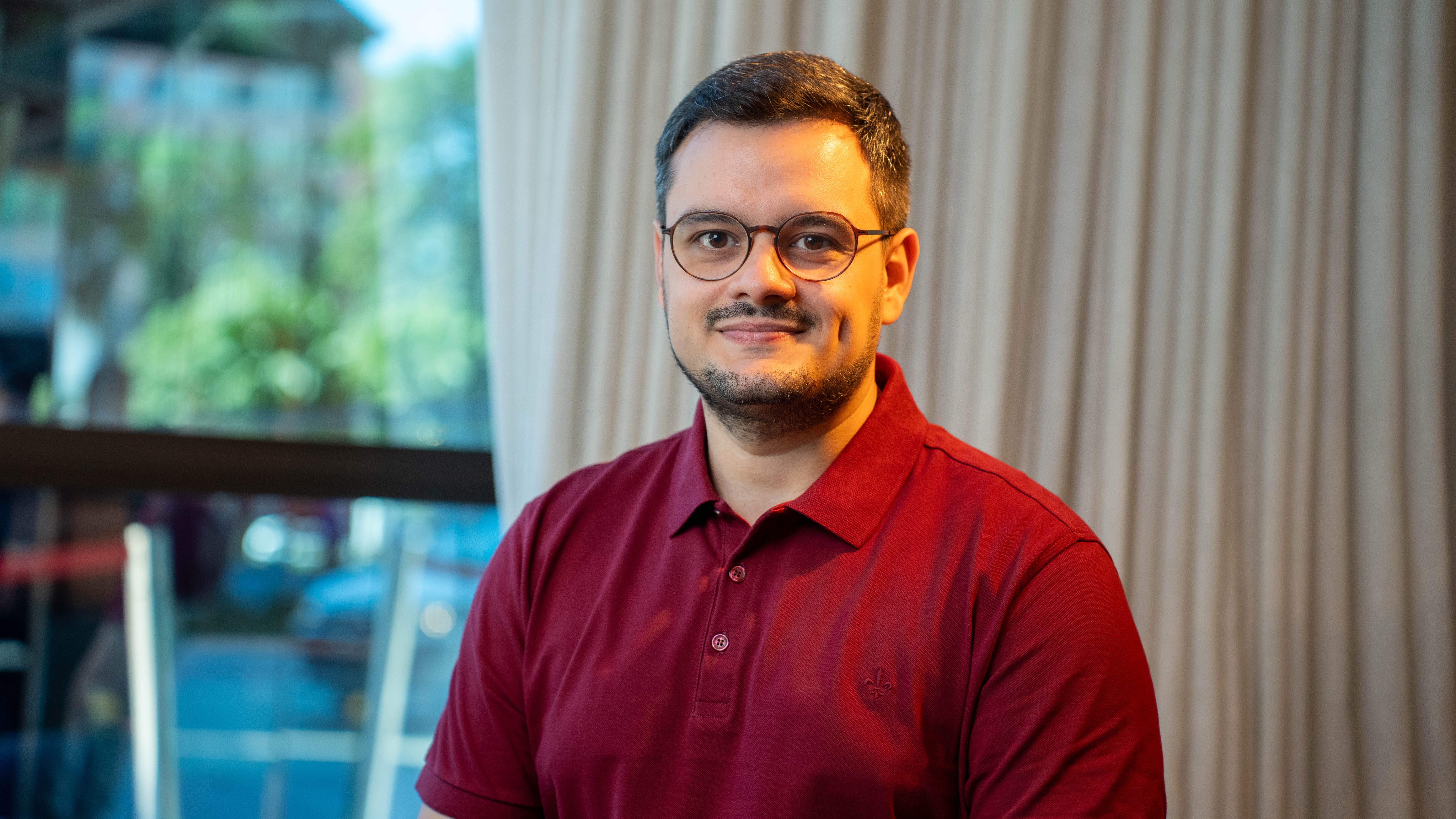
I am an entrepreneur with over 20 years of experience at the intersection of tourism and technology. I am co-founder and Chief Business Officer of VOLL, the largest mobile-first corporate travel and expense management platform in Latin America, and a recognized reference in the development of the corporate travel industry.
A Marketing specialist from Fundação Dom Cabral, I serve on the Tourism Council of FecomércioSP and on the Executive Council of the Latin American Association of Corporate Events and Travel Management (Alagev). A frequent traveler and close observer of human behavior in motion, I write and speak about innovation, digital transformation, entrepreneurial leadership, and the future of corporate travel.